




A CAFÉ SOCIETY CLASSIC REVISITED

For America’s burgeoning restaurant industry, the 1950s and ‘60s represented the essence of cool – especially in our largest cities, where prospering populations savored culinary indulgences unheard of during the “Meatless Tuesdays and Fridays” of World War II.



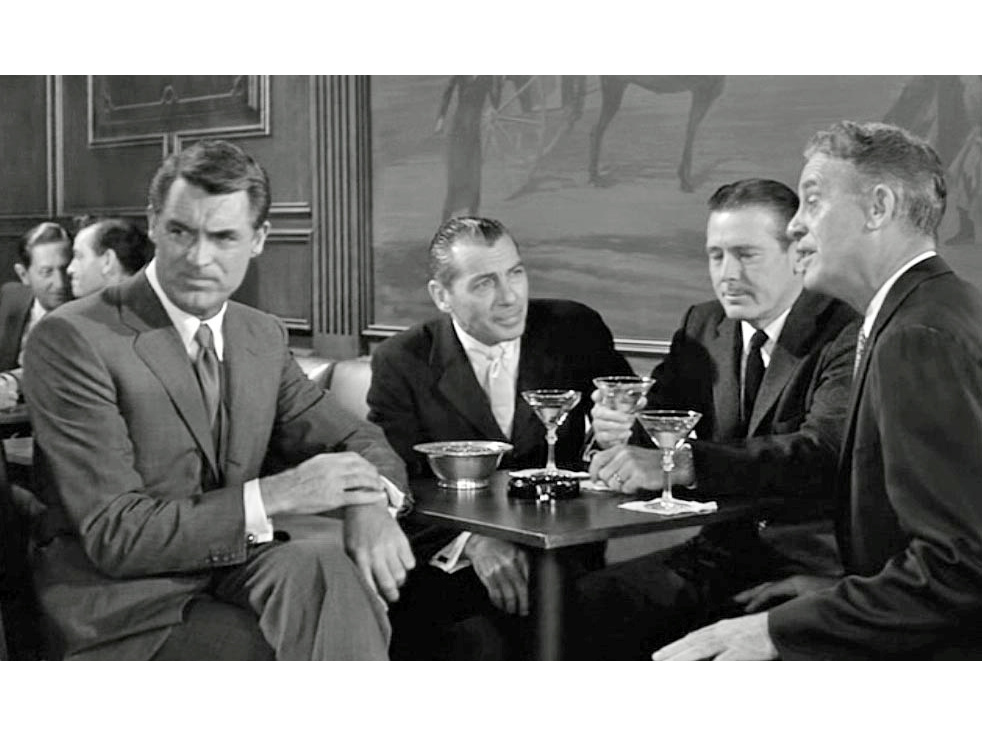
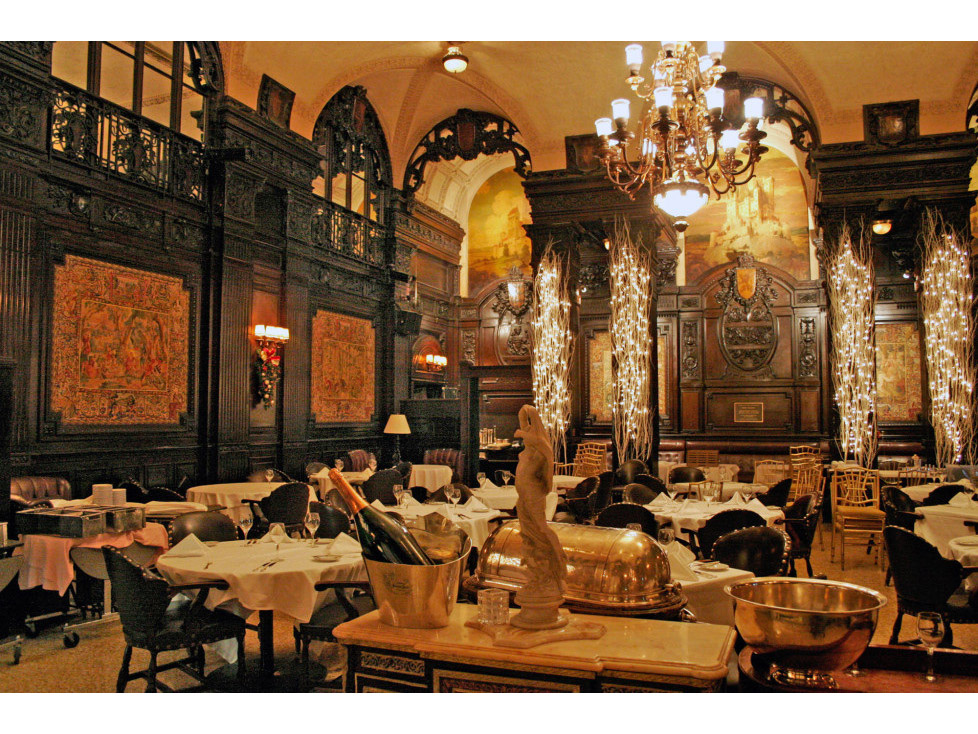
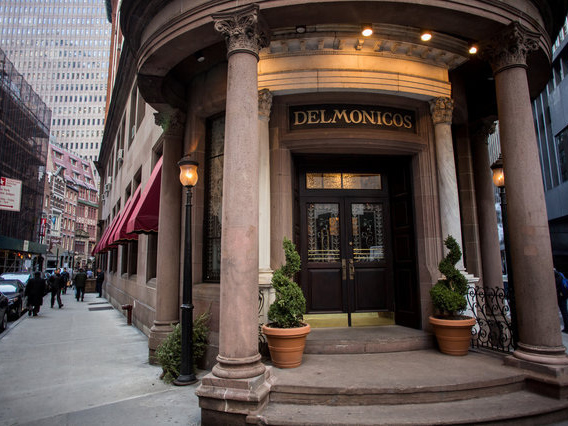
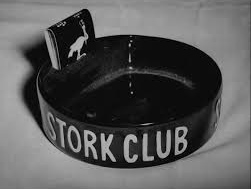
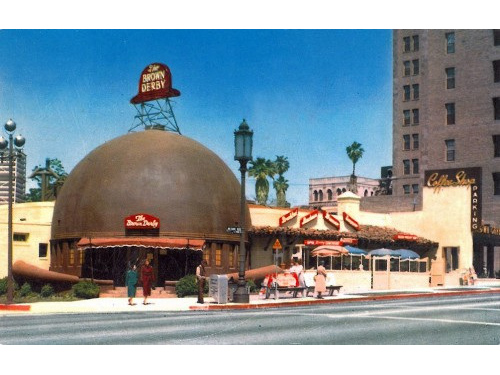
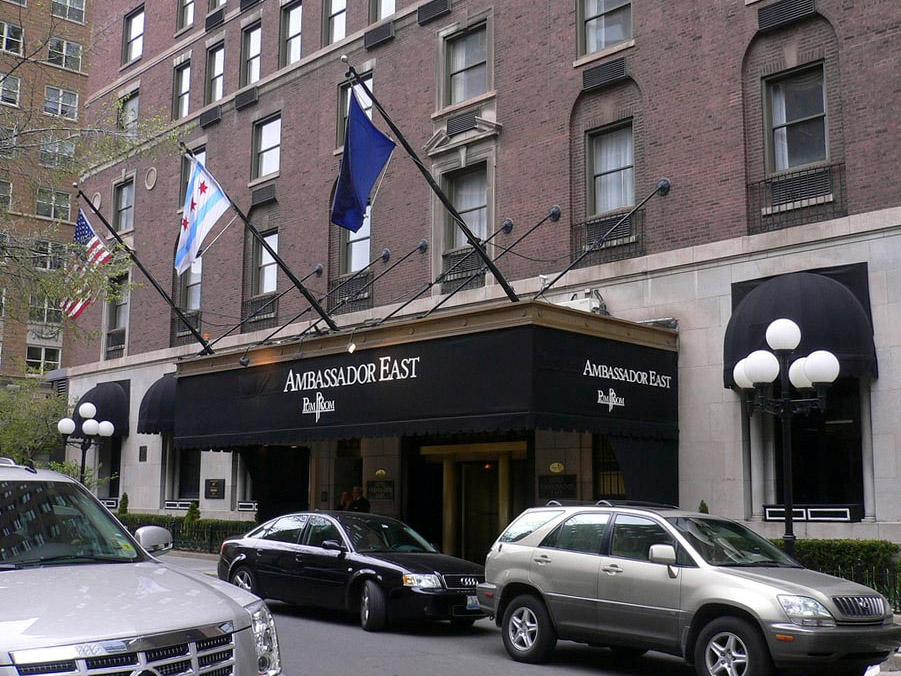
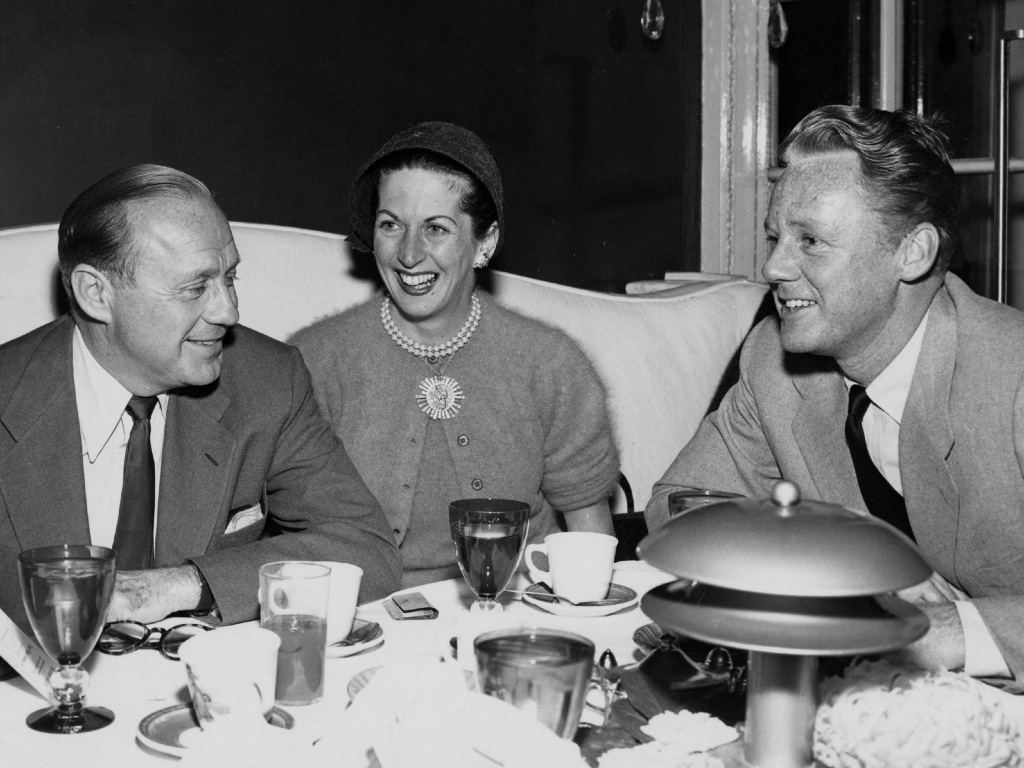
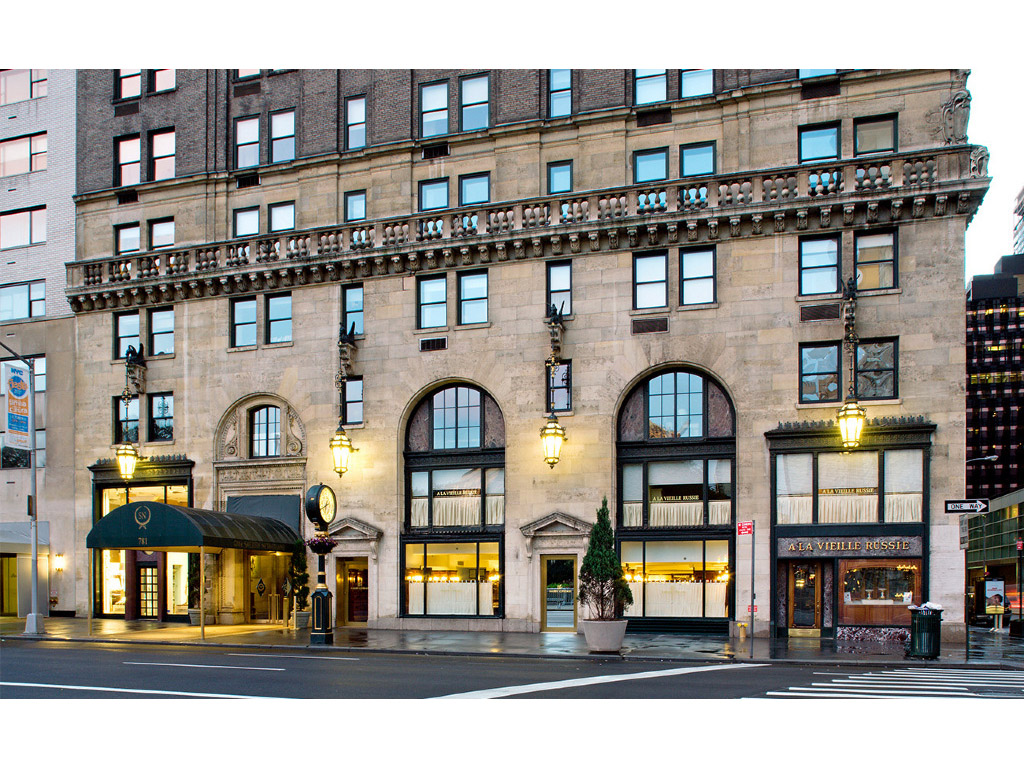
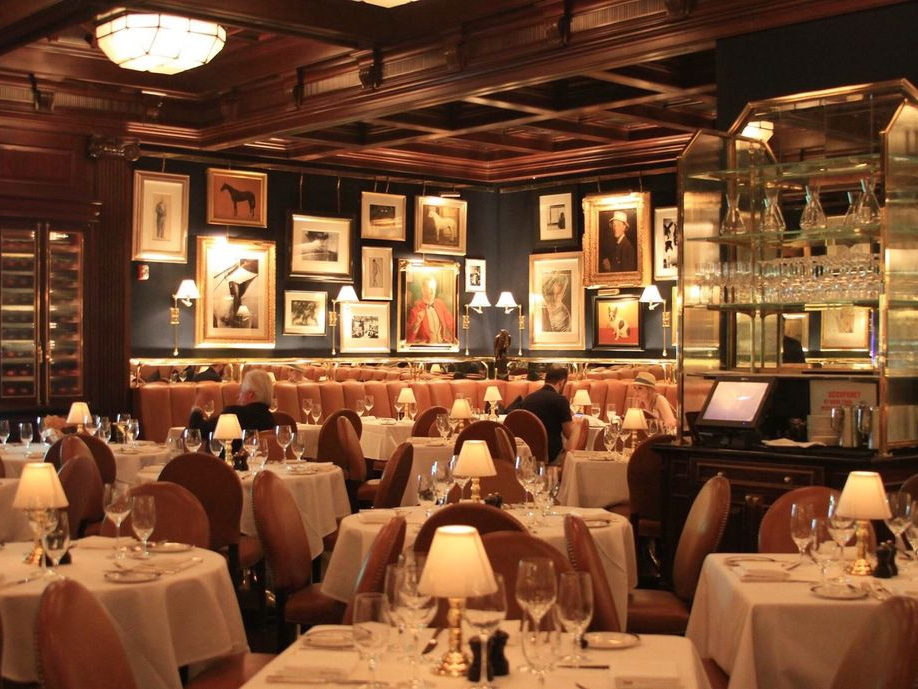
Manhattan had the OAK ROOM, DELMONICO’S and the STORK CLUB. Celebrities flocked to the BROWN DERBY at the corner of Hollywood and Vine in Los Angeles. And all of Chicago vied for a seat (preferably at the coveted Booth #1) at the swanky PUMP ROOM, located in the Ambassador East Hotel.
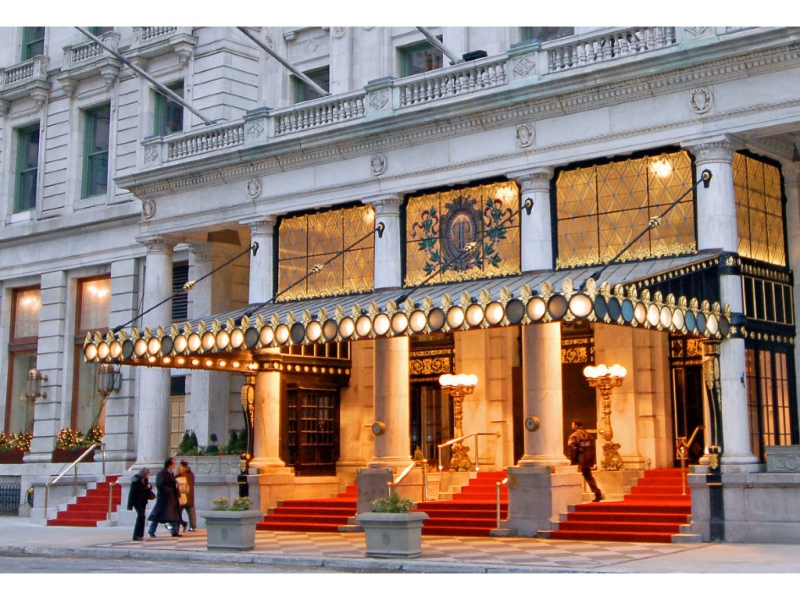
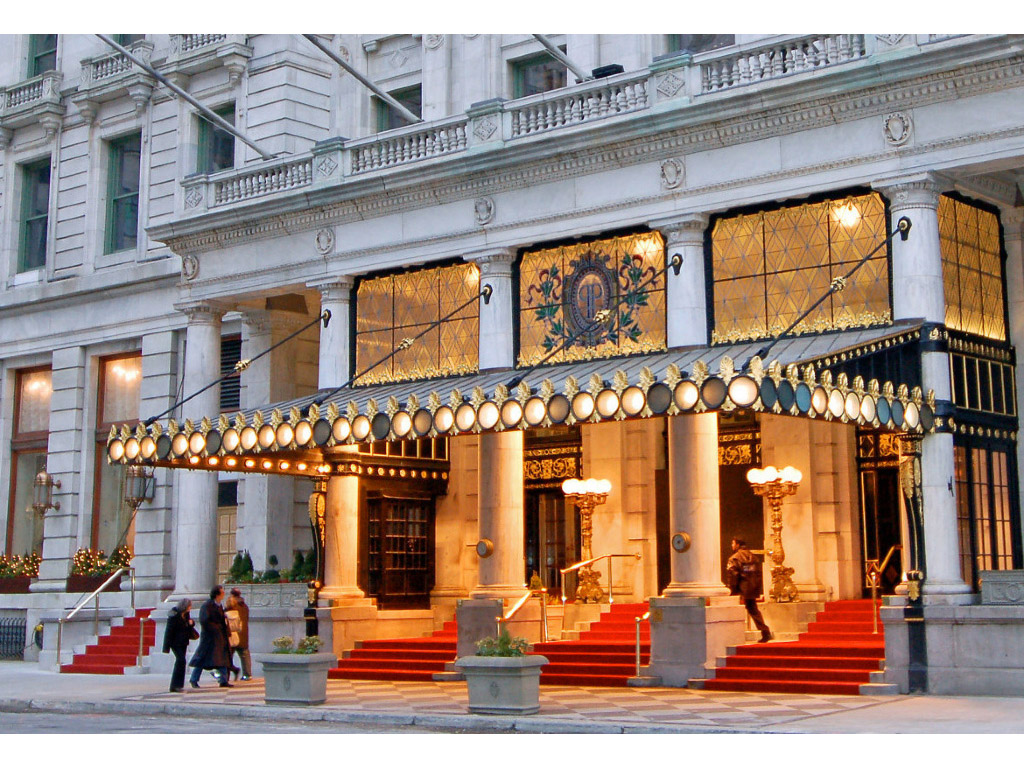
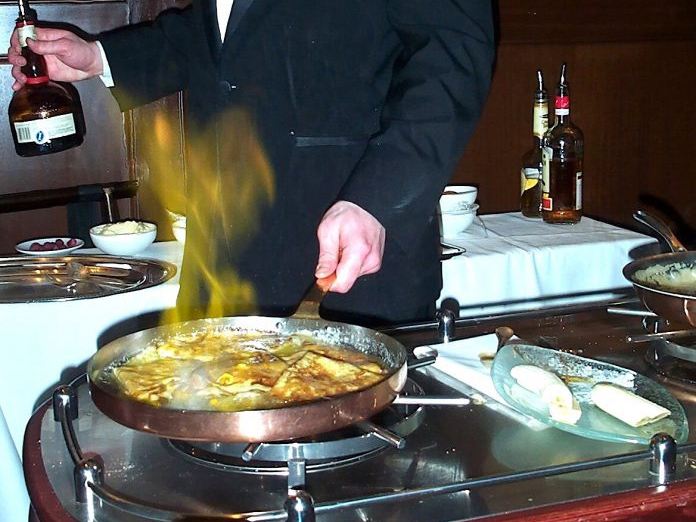
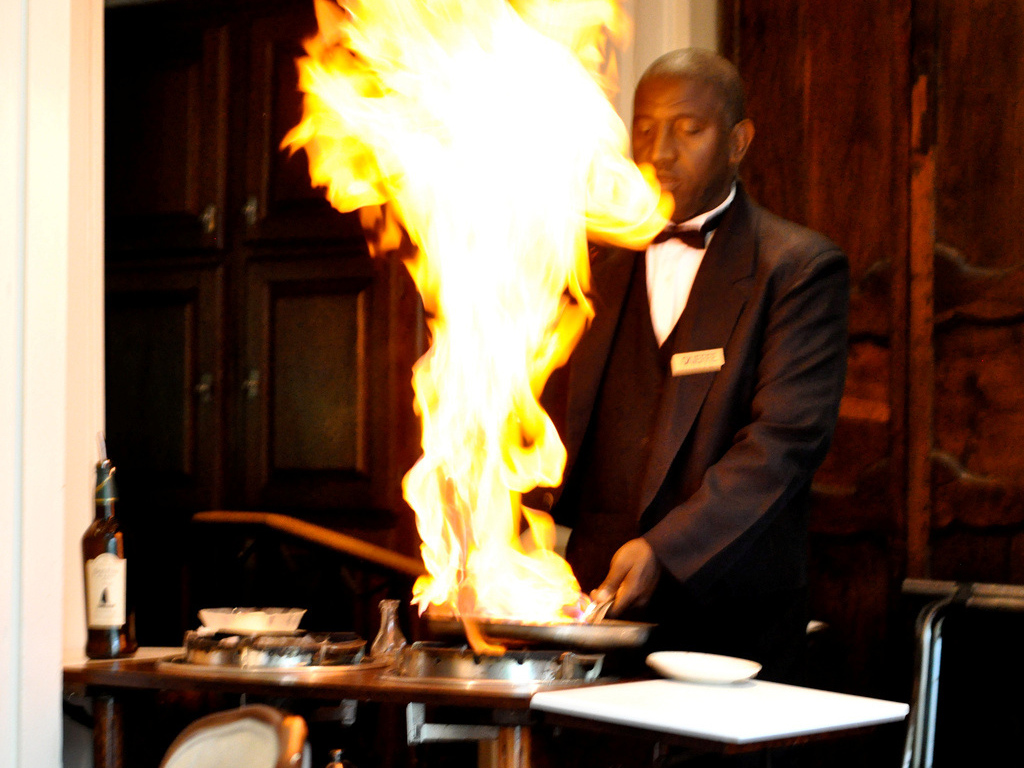
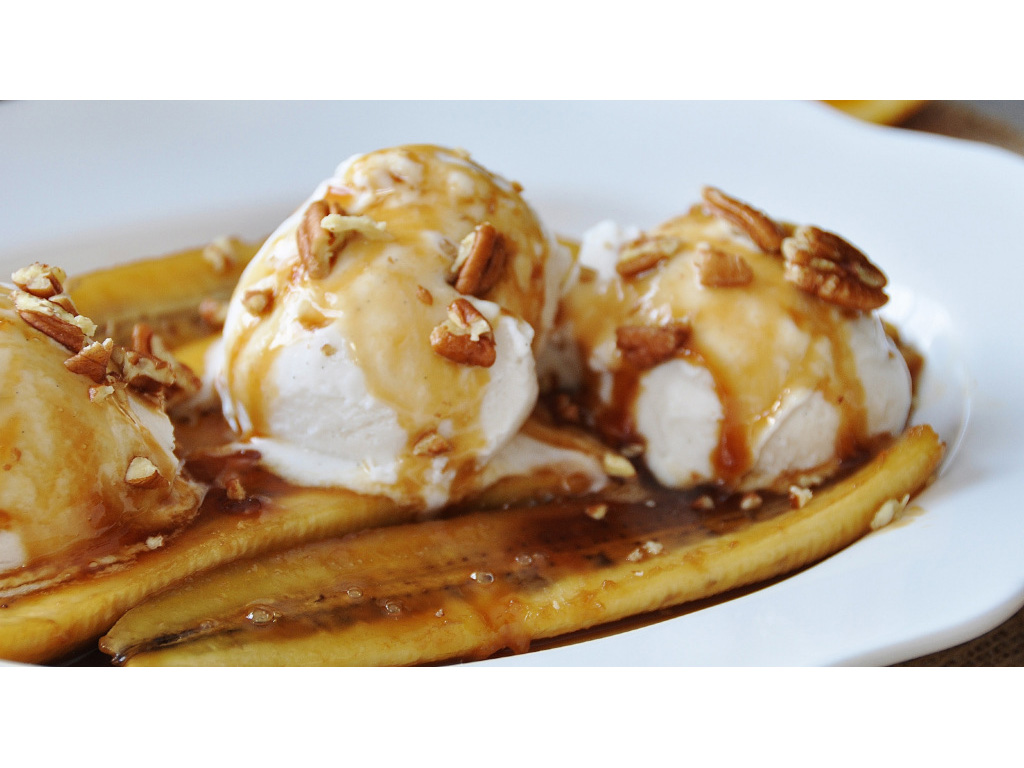
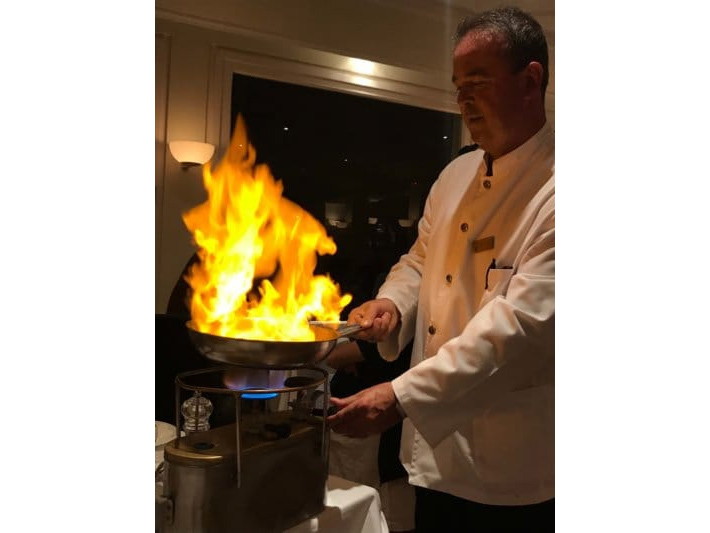
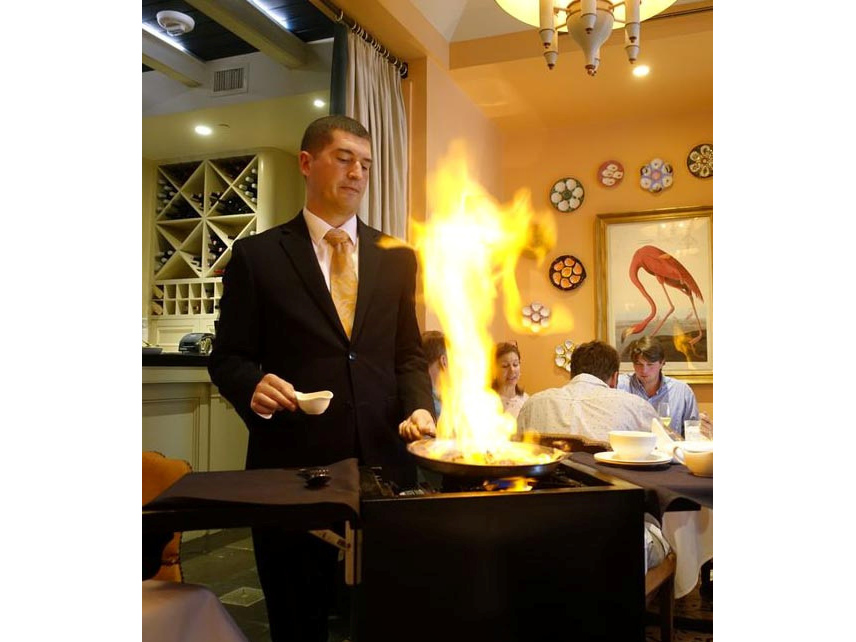
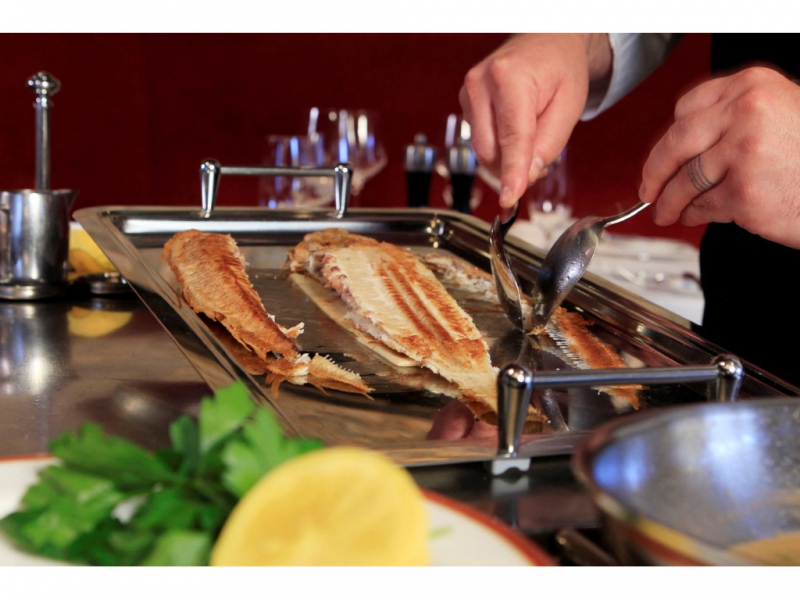
Polished brass and mahogany trolleys were wheeled up tableside by captains and maitre d’s who could slice and dice with one hand, and flambée and serve with the other. They’d debone your Dover Sole, then return later to ignite your dessert ¬– perhaps Crepes Suzette, Cherries Jubilee or Bananas Foster.
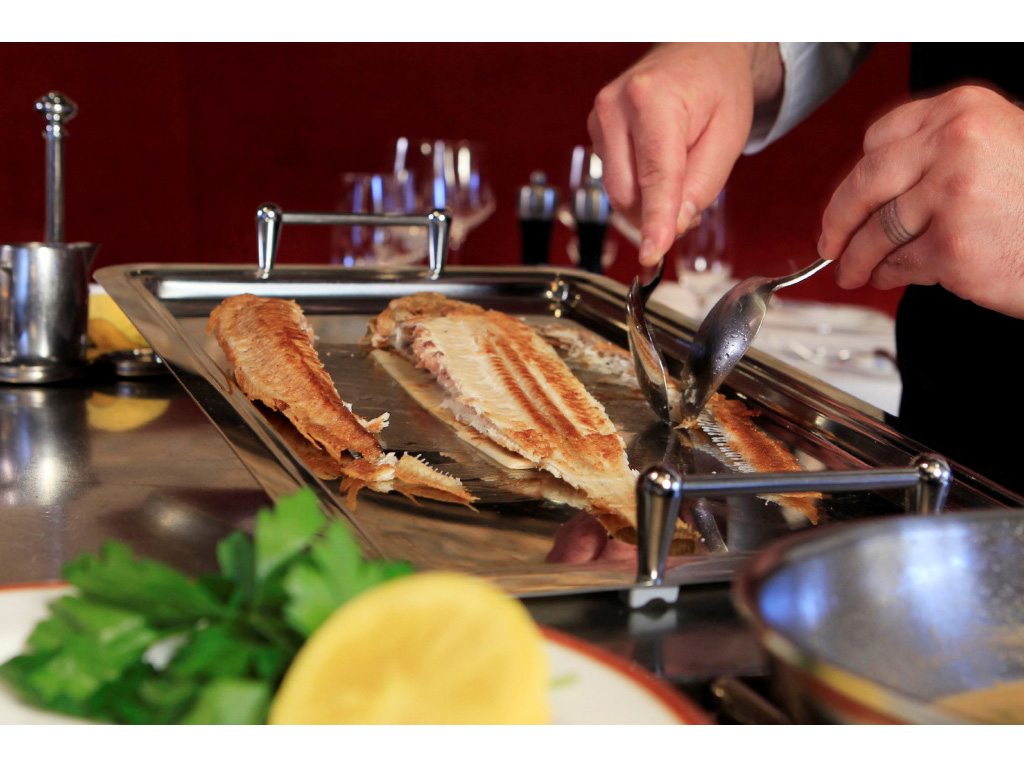
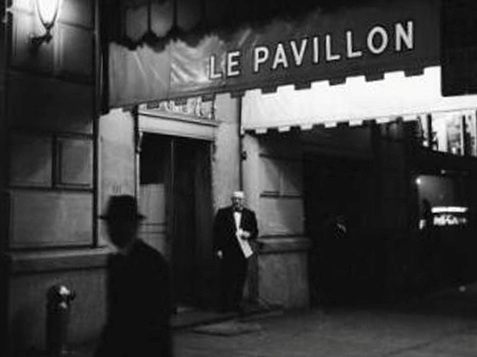
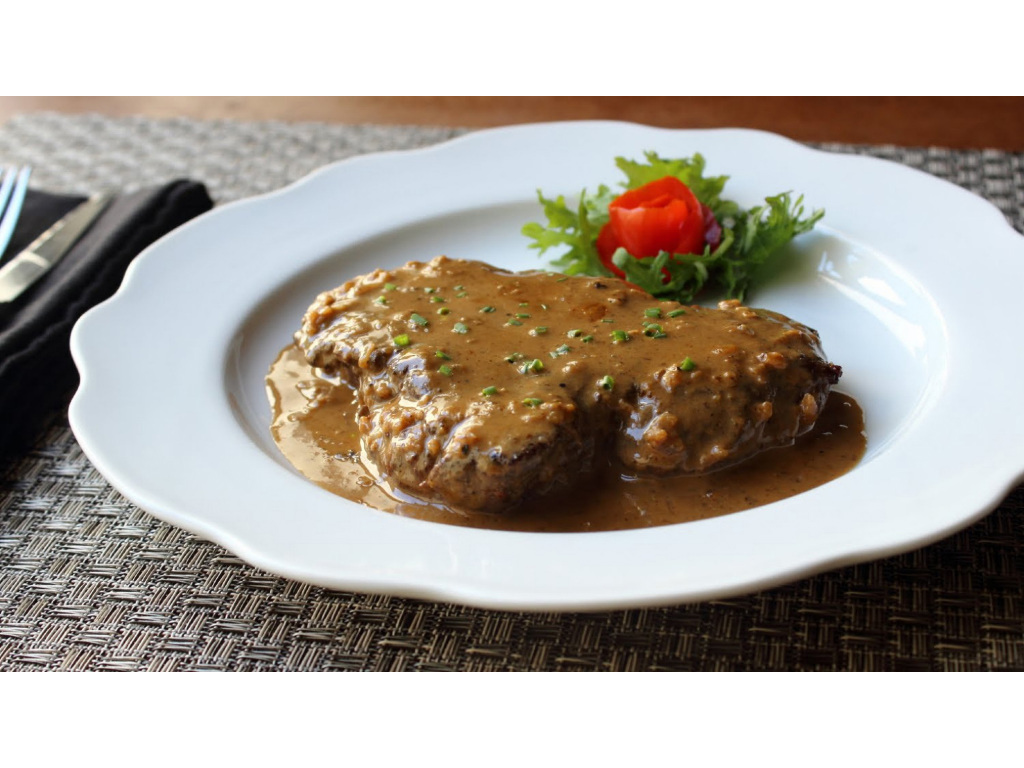
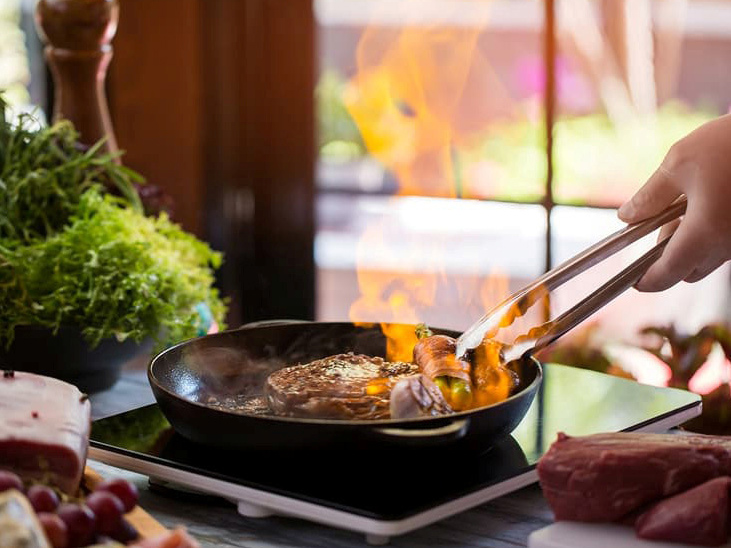
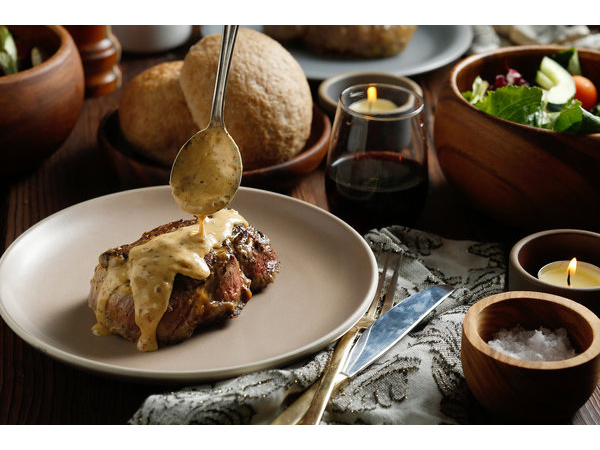
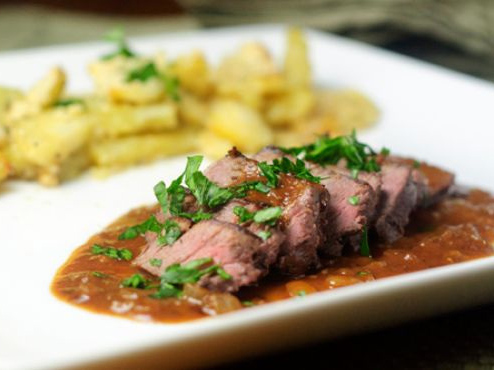
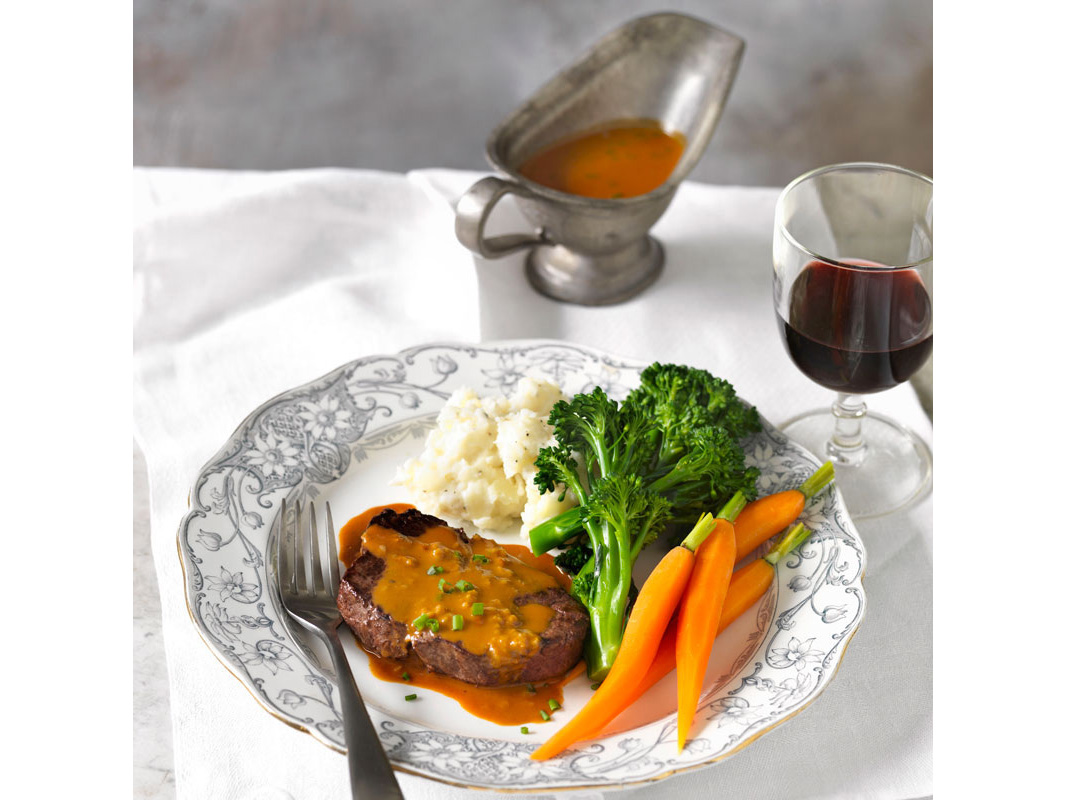
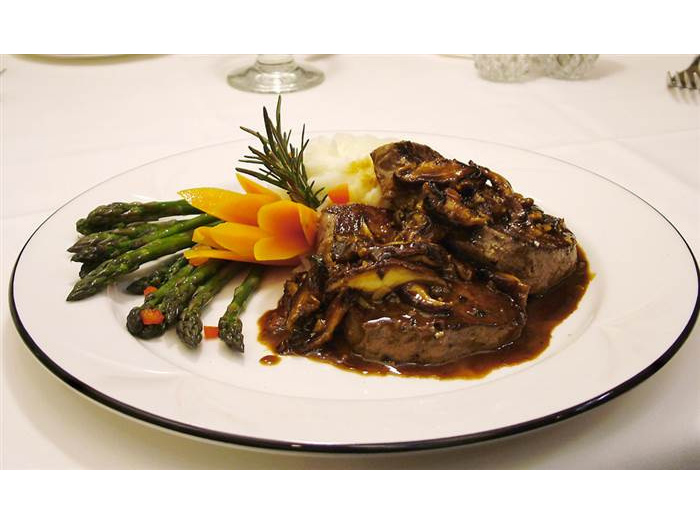
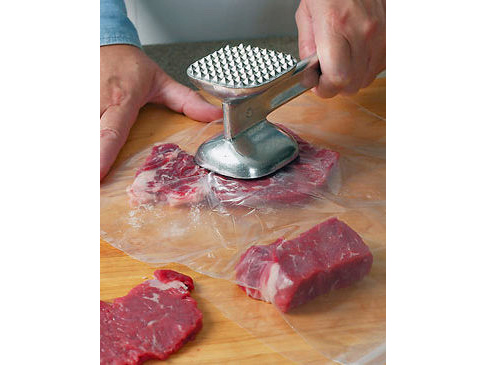
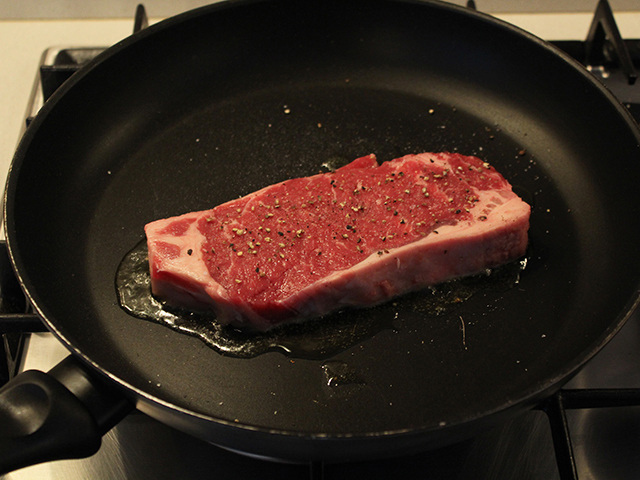
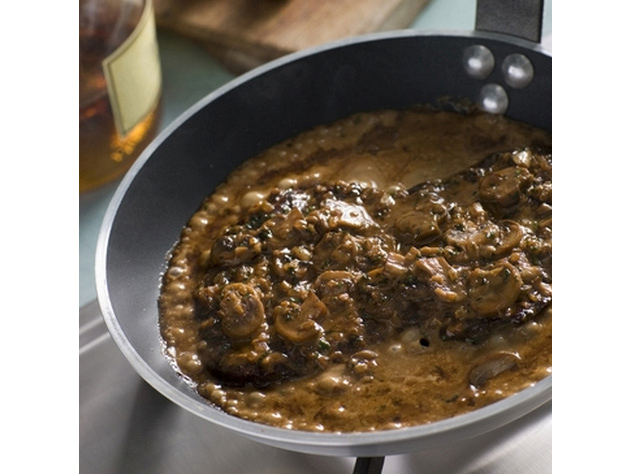
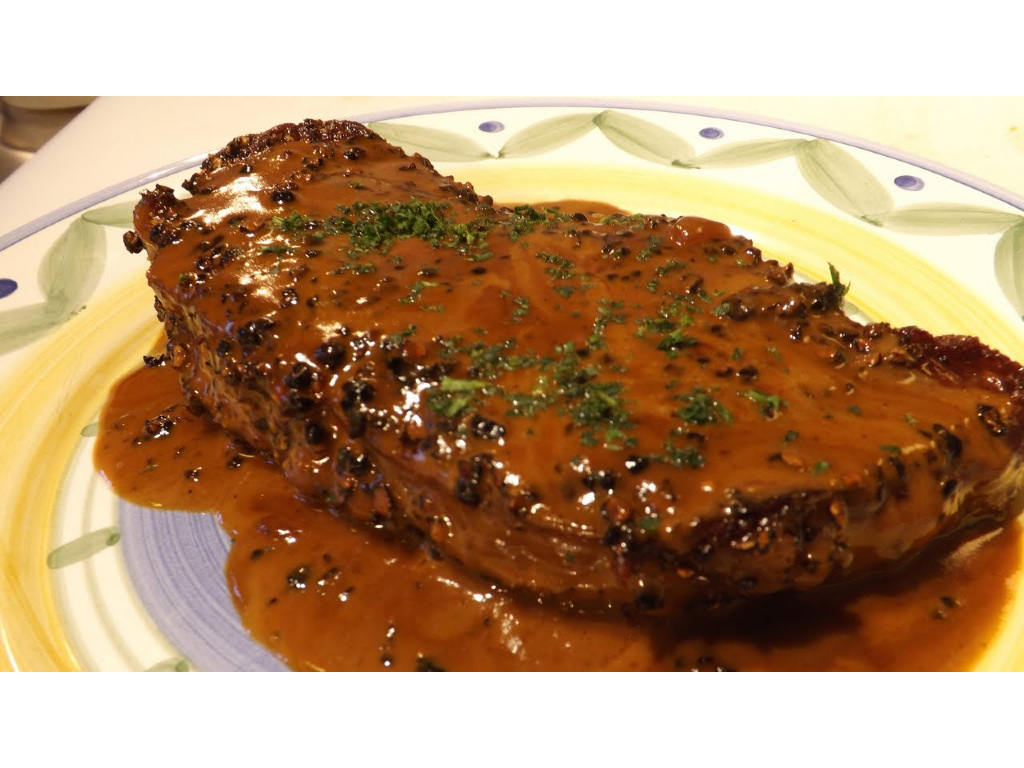
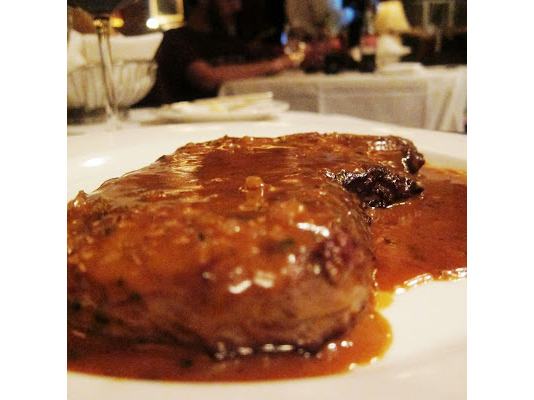
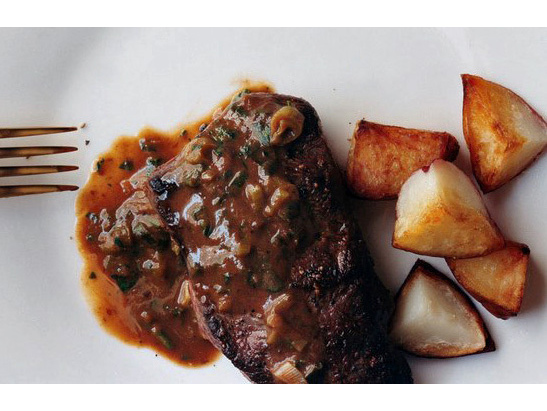
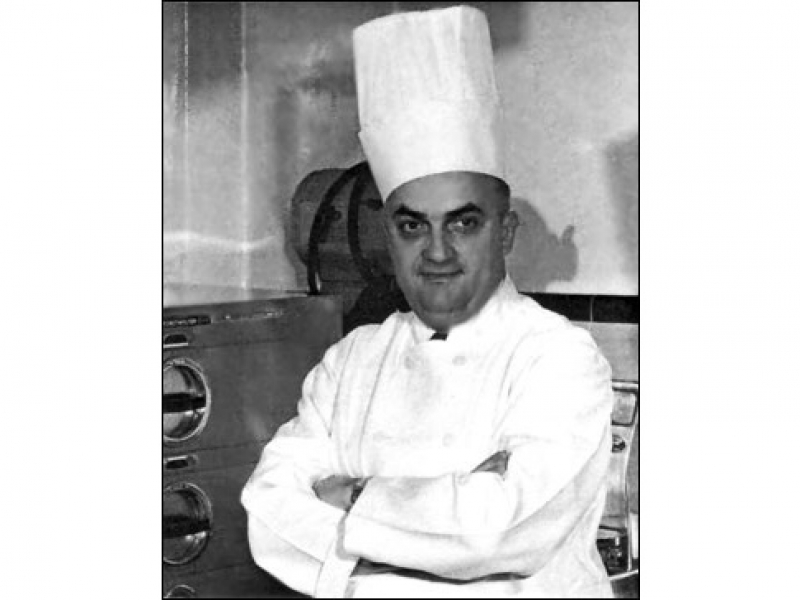
No chef of that era was more celebrated than Pierre Franey of LE PAVILLON (regarded as the finest restaurant in America). Nor was any dish more celebrated than his signature STEAK DIANE, a New York Strip doused with brandy and set aflame tableside. To ensure consistency and speed of reparation, the steak was flattened before cooking. And along with the brandy, it gained extra flavor from butter, veal stock, French mustard, chives, heavy cream and a dash of Worcestershire sauce before the pyrotechnics.
As I was thinking about this post a couple of months ago, to my surprise one Saturday morning the Wall Street Journal published a piece by Charlotte Druckman praising this one-pan dish as “simply delicious.” On top of that, just a couple of weeks ago Mark Bittman of the New York Times shared his recipe for Steak Diane.


Does this signal a revival? I hope so….

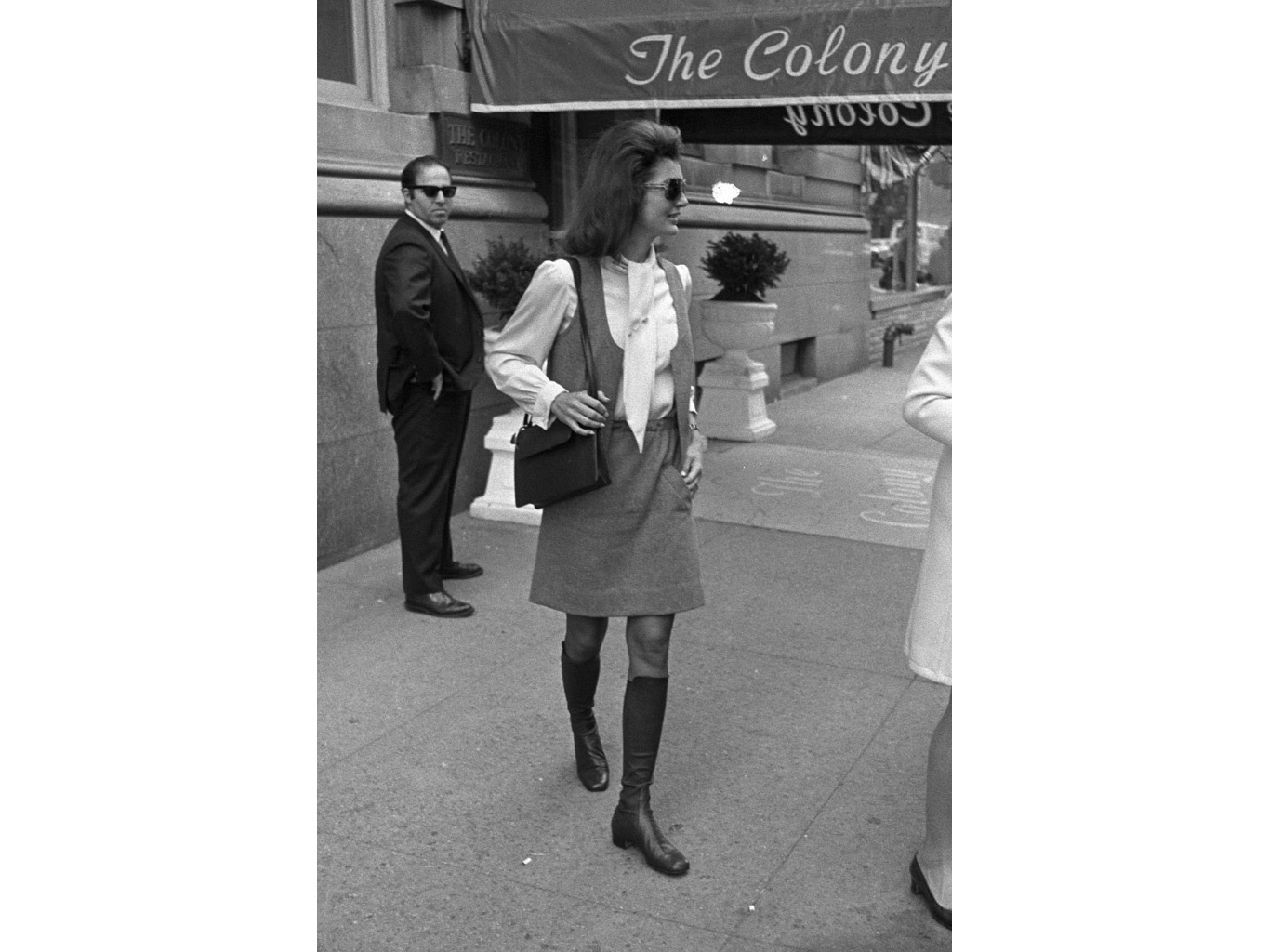
Jane Nickerson, a writer for the New York Times, said in 1953 (yes, in 1953) that New York had three possible sources for the origination of STEAK DIANE: the restaurant at the SHERRY NETHERLAND HOTEL; THE COLONY restaurant (where Jackie O. hung out); and THE DRAKE HOTEL at 56th and Park avenue.


Pierre Franey weighed in on the discussion and credited Beniamino Schiavon, known as Mr. Nino of the Drake, as creator of the dish while working in Belgium. I guess that’s why Steak Diane has only a vague French pedigree. However, its fancy French spirit certainly added to the allure.
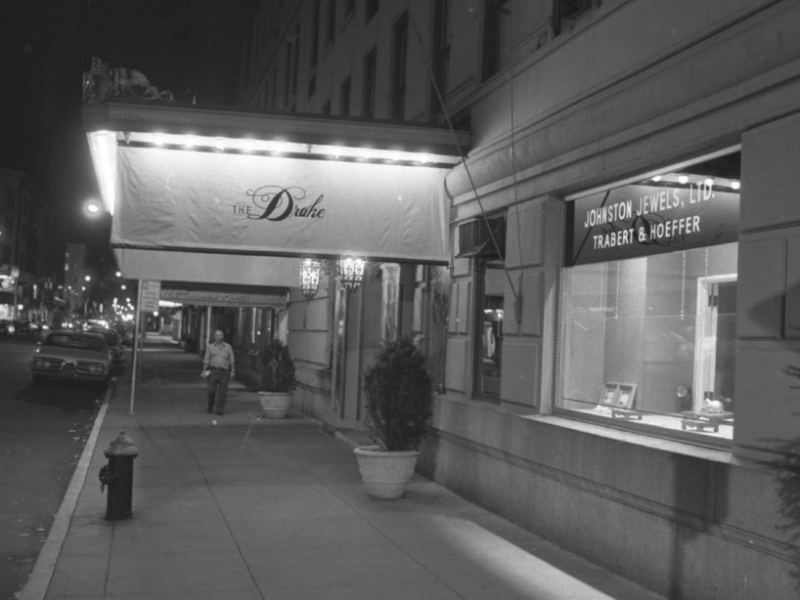
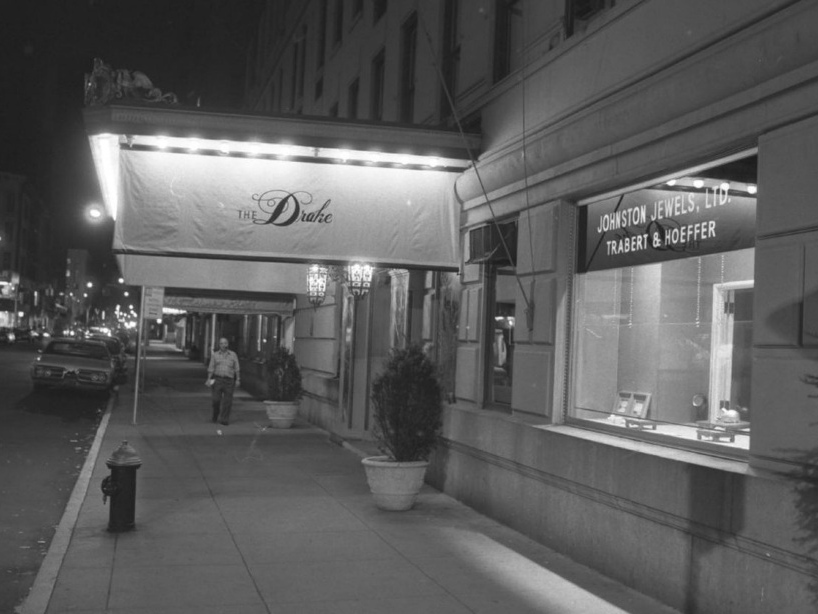
As the iconic Café Society restaurants began to fade, so too did the tableside theatrics for which they were known. Rents were soaring in places like New York, and restaurateurs reacted by cramming in more and more tables – erasing the avenues for dining room trolleys. By 1970, Steak Diane had essentially disappeared.

The 21 Club on West 52nd St. in New York is said to be the last holdout, but it too threw in the towel in the late ‘80s.
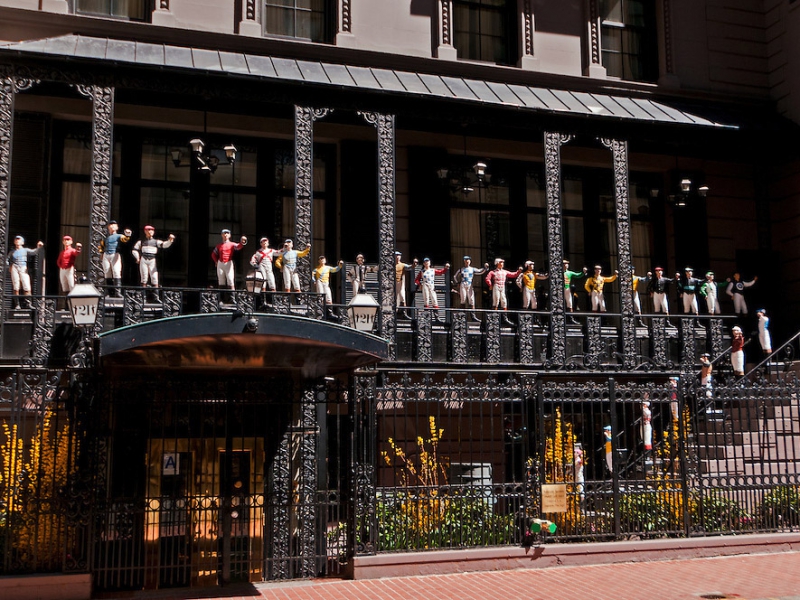
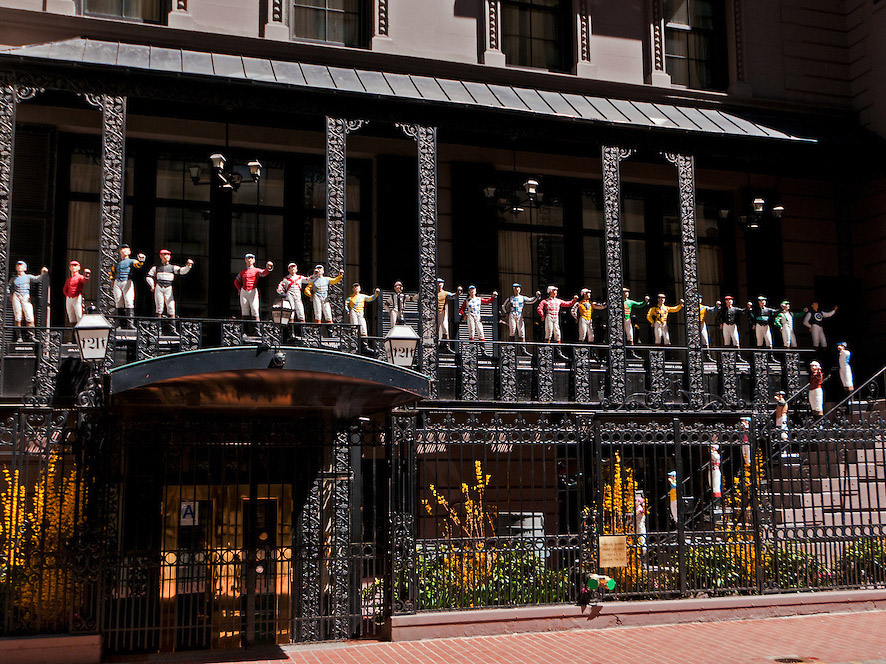
To paraphrase the Journal … “Diane, we hardly knew ya”.
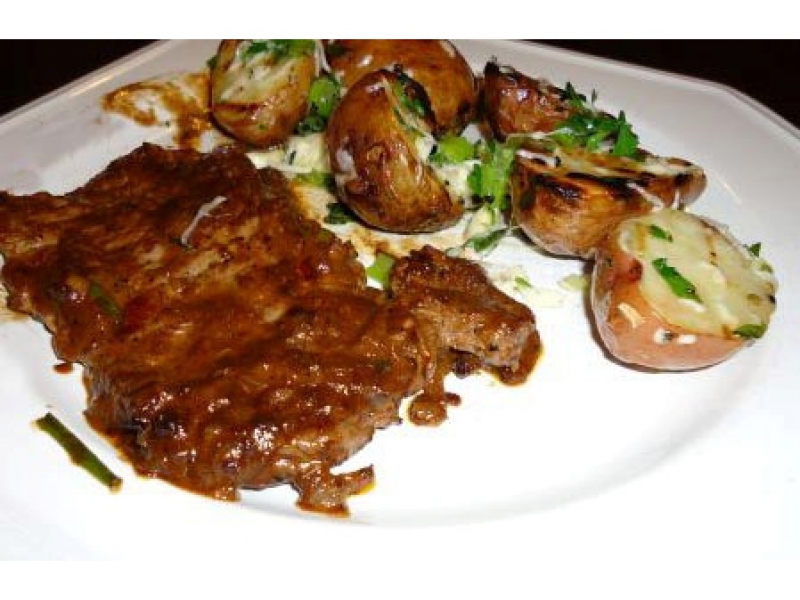
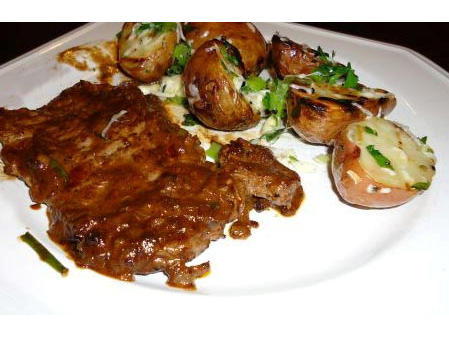
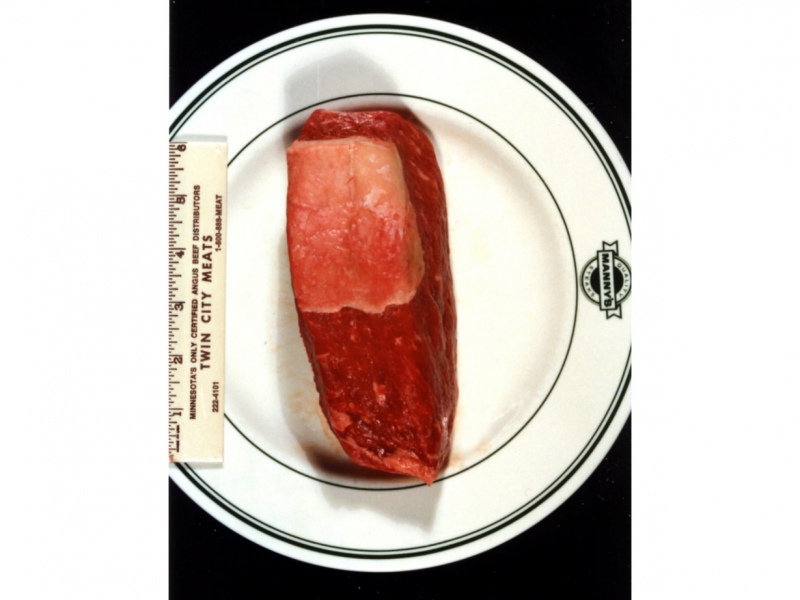
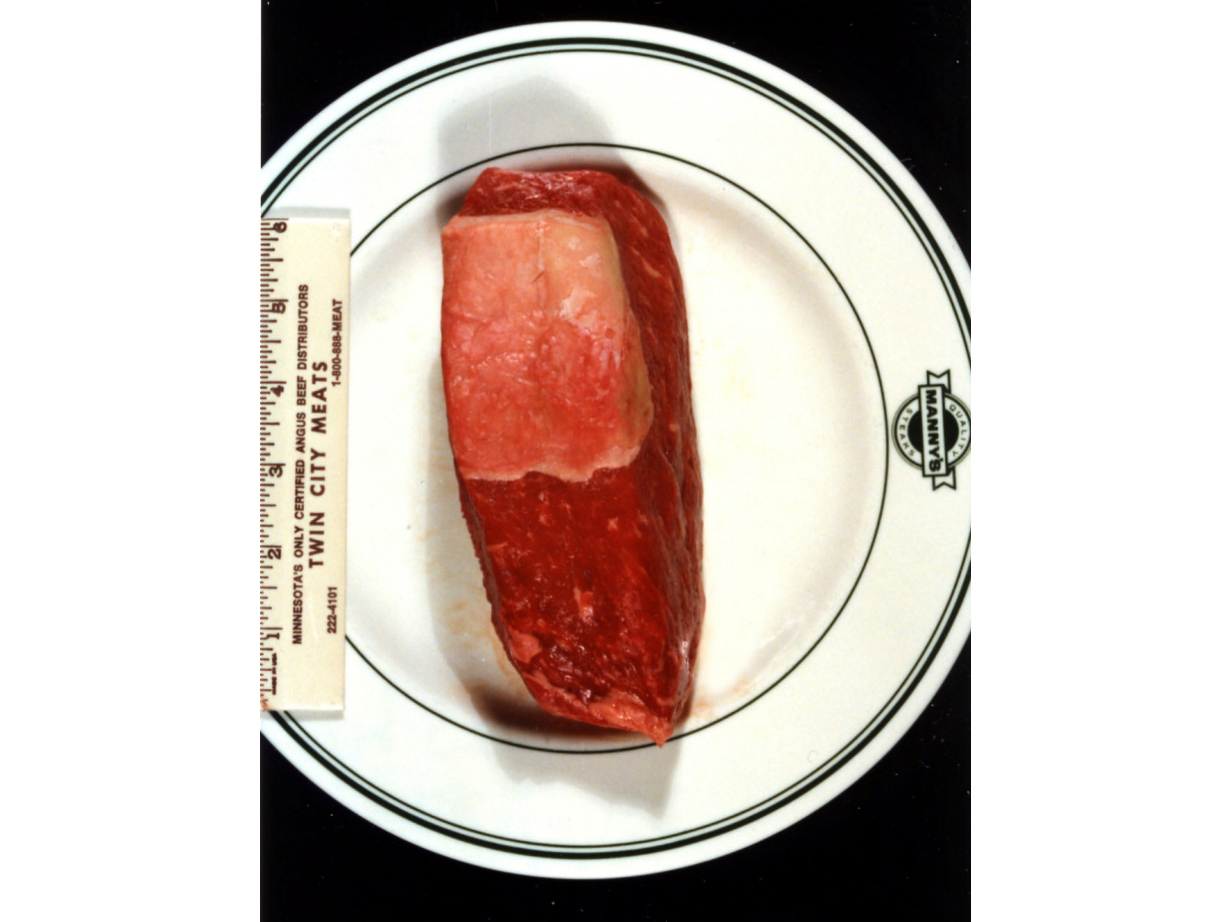
Now might be a good time to talk a little about the dish itself, which is surprisingly easy to make at home. After all, it’s a one-pan affair. And you just might find yourself ahead of the curve in rekindling this old flame at your holiday parties. Note that most, but not all, recipes call for New York Strip Steaks. Others tout Filet Mignon (although you will have to butterfly it). Either works, but both should be of the absolute highest quality.

The steaks need to be pounded thin to break down the fibers and insure a quick sear. The igniting of the brandy intensifies the flavors of the finished sauce by caramelizing the sugars. YUM. Mr. Nino of the Drake is said to have proclaimed, “This is the perfect sauce for the perfect steak.”
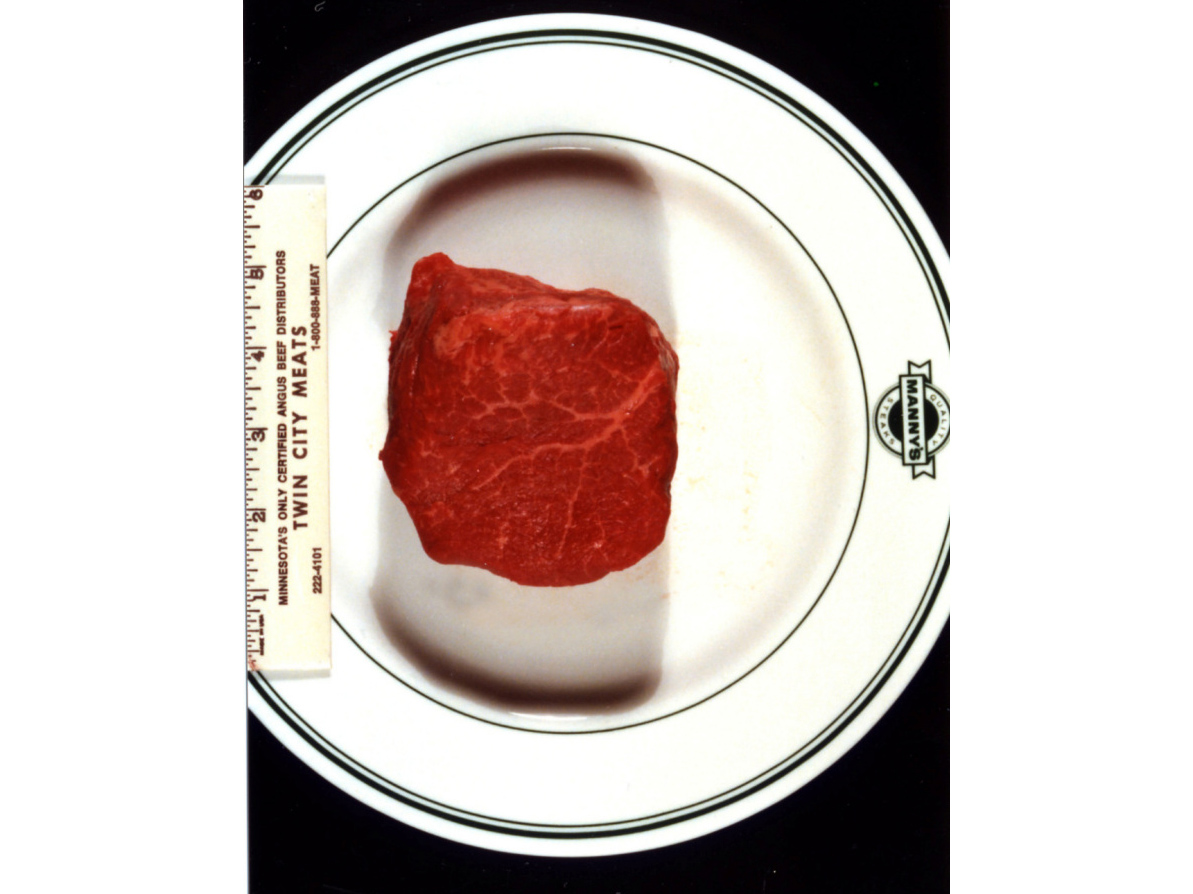
BUT WAIT! Is it really possible that Steak Diane is making a comeback?

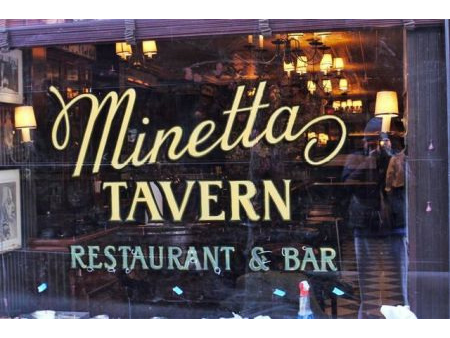
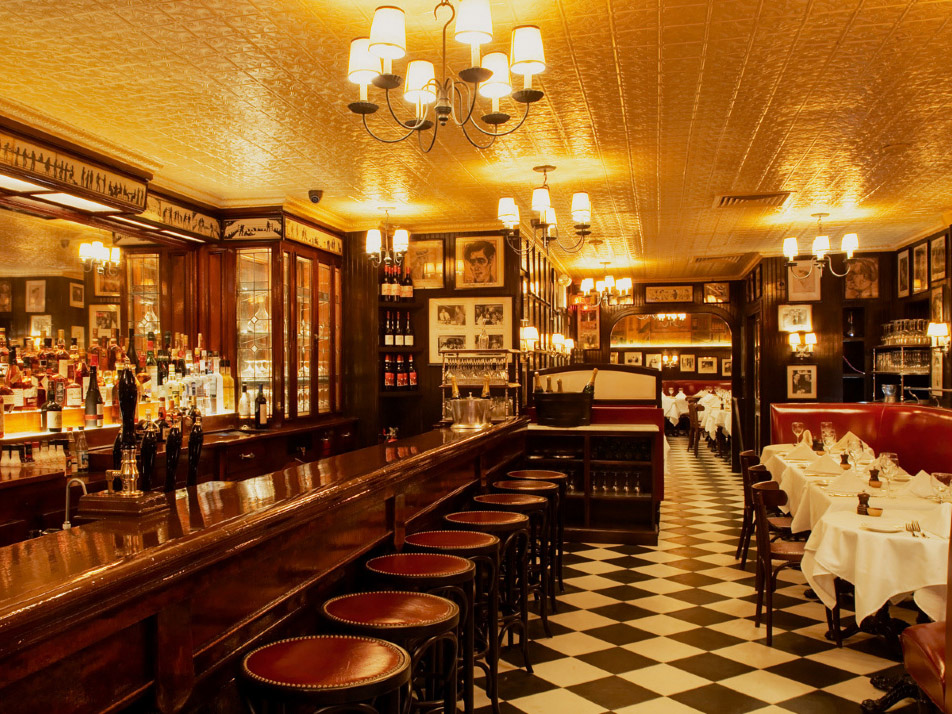
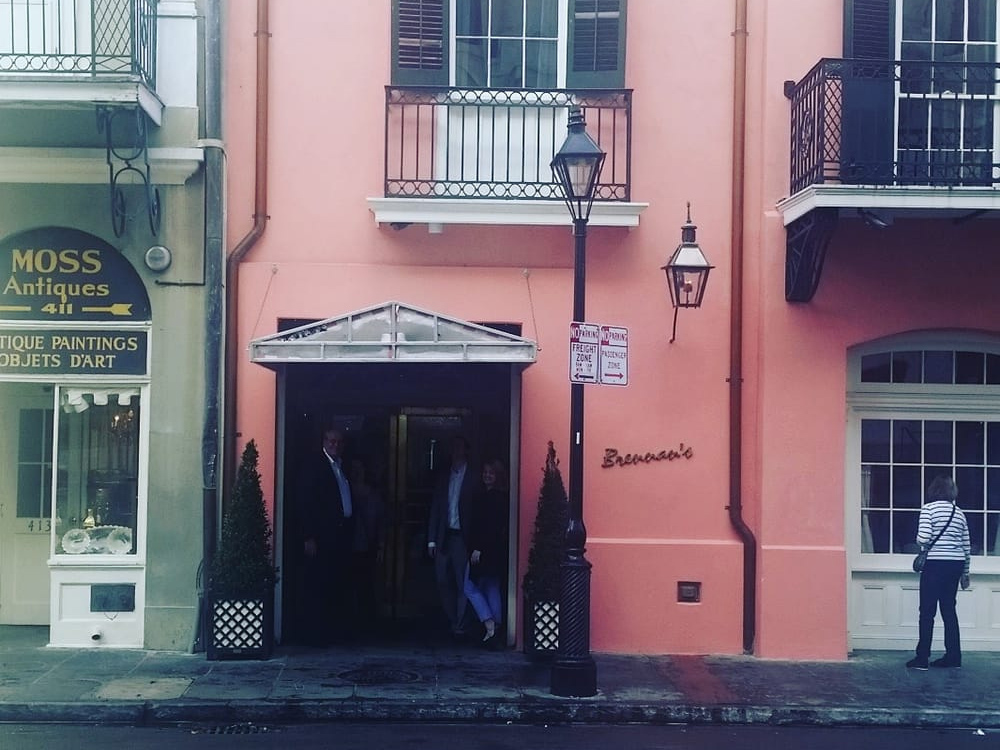
I’m told that the 21 features it on their menu from time to time. ALLORA on East 42 St. has it on their permanent menu. Keith McNally, perhaps New York’s best restauranteur, proudly serves it at MINETTA TAVERN. BRENNAN’S in New Orleans has never stopped and still prepares it tableside.
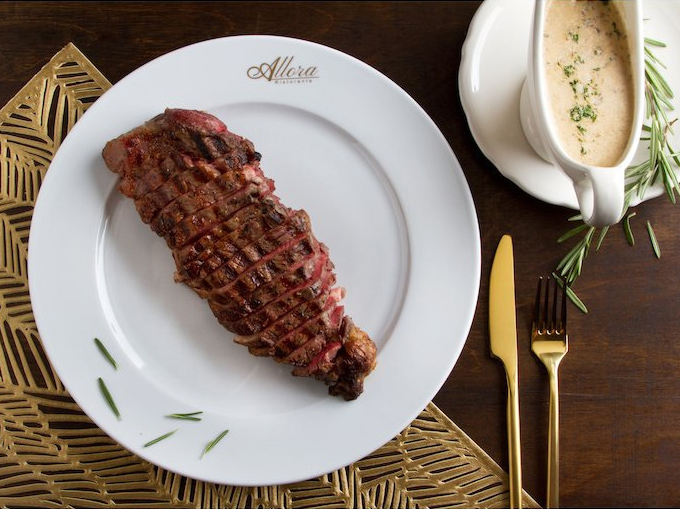
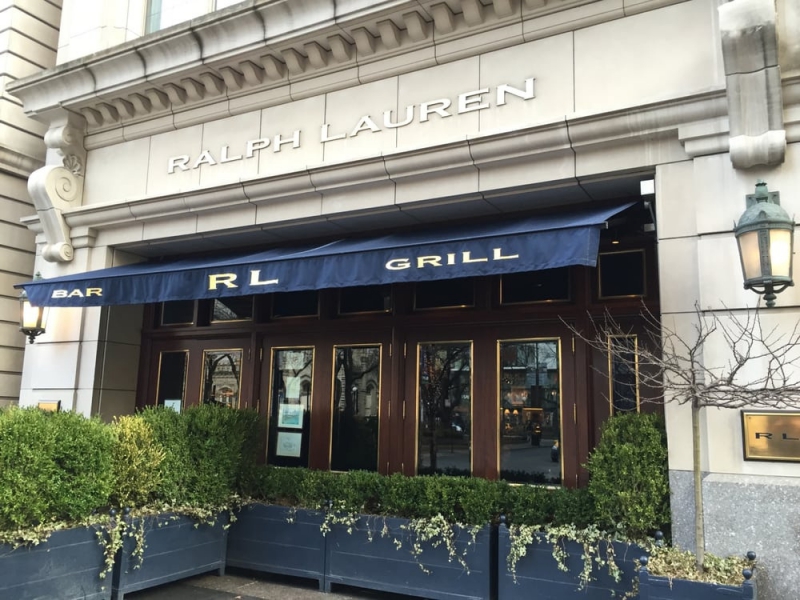
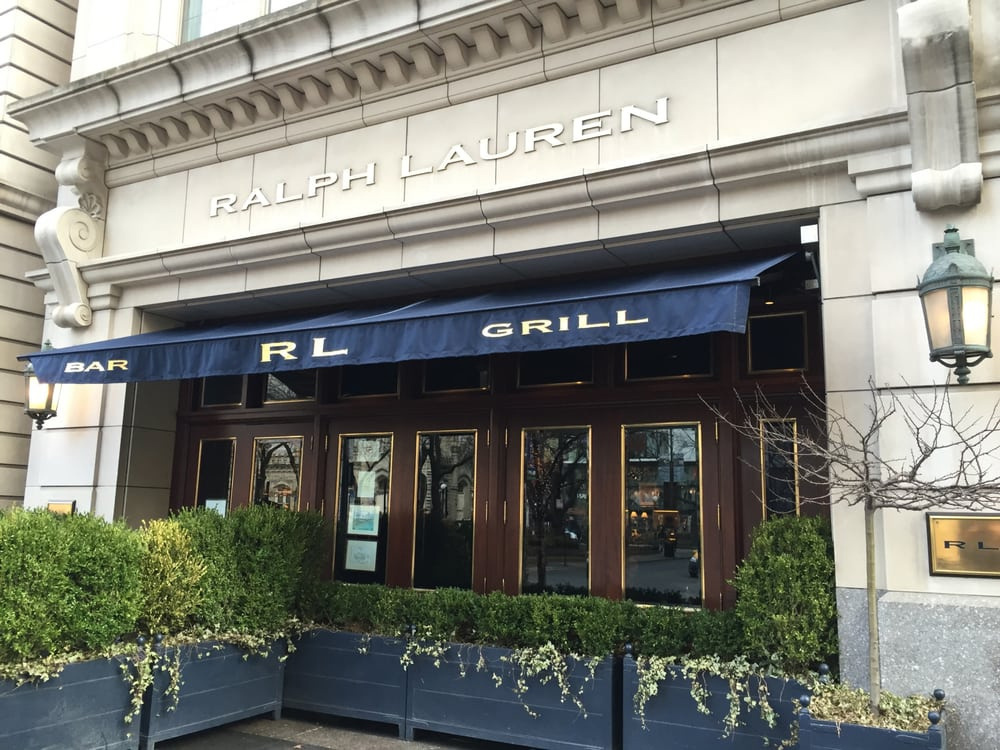
And finally, who could be more on-trend than Ralph Lauren, whose immensely popular and beautiful restaurant, RL Grill, on Chicago’s Gold Coast, features Steak Diane as a signature item.
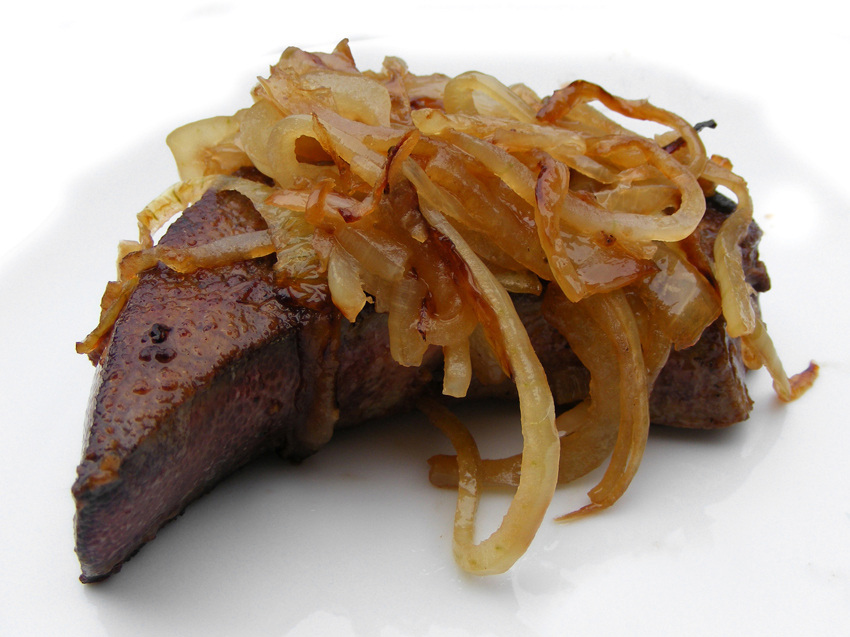
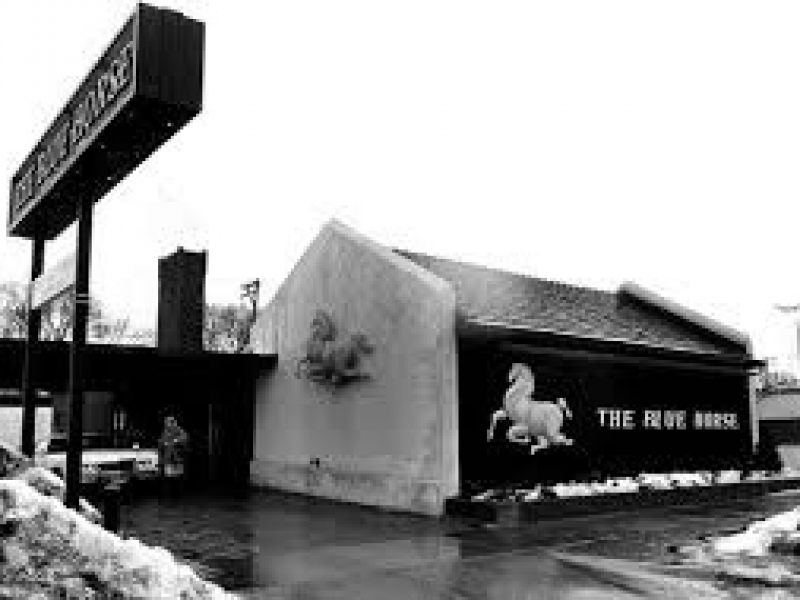
All this has me wondering: Did the Twin Cities have its own Café Society? Did the BLUE HORSE serve Steak Diane? How about THE CAMELOT? Or GANNON’s in St. Paul, where Liver Steak and Onions was a staple among its supper club set.
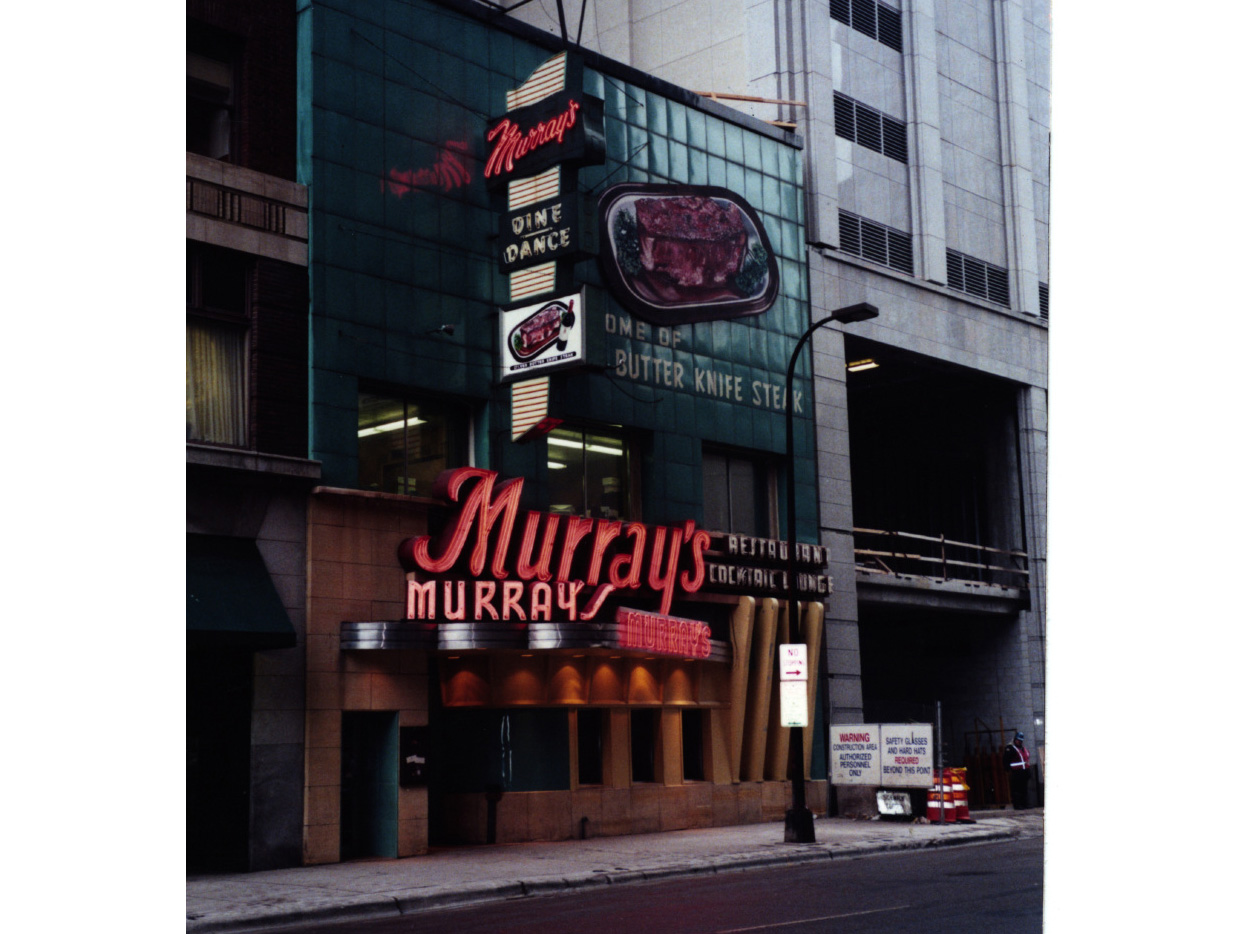
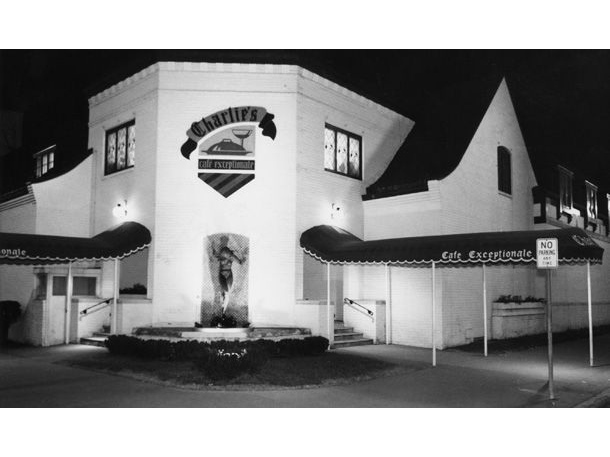
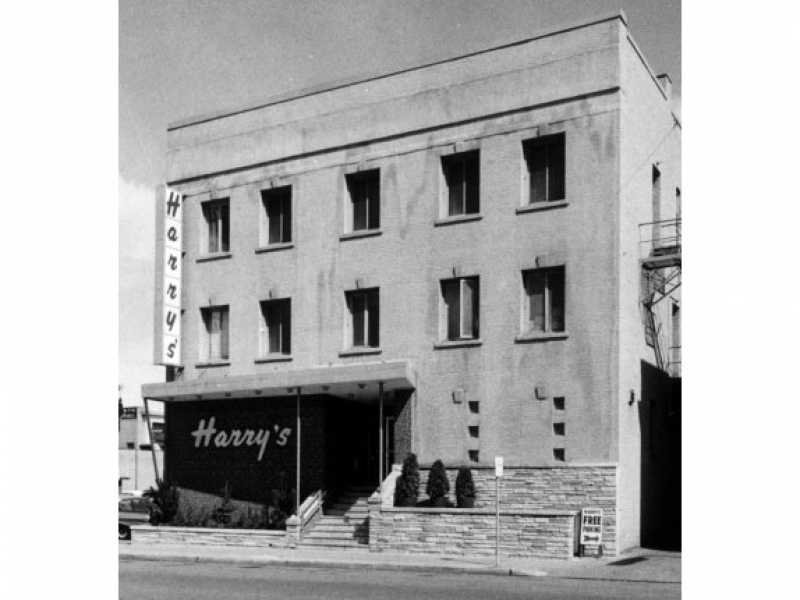
In Minneapolis, the BIG THREE back in the ‘60s and ‘70s were HARRY’S CAFÉ, MURRAY’S and CHARLIES CAFÉ EXCEPTIONALE. Did any of them give it a shot? I don’t know.
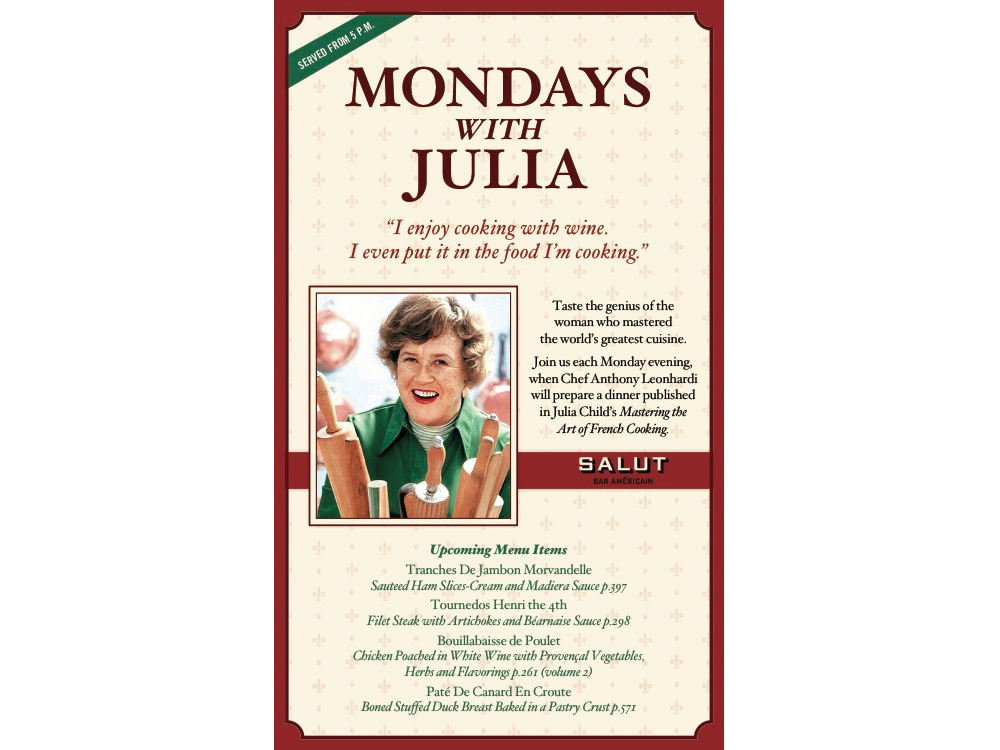
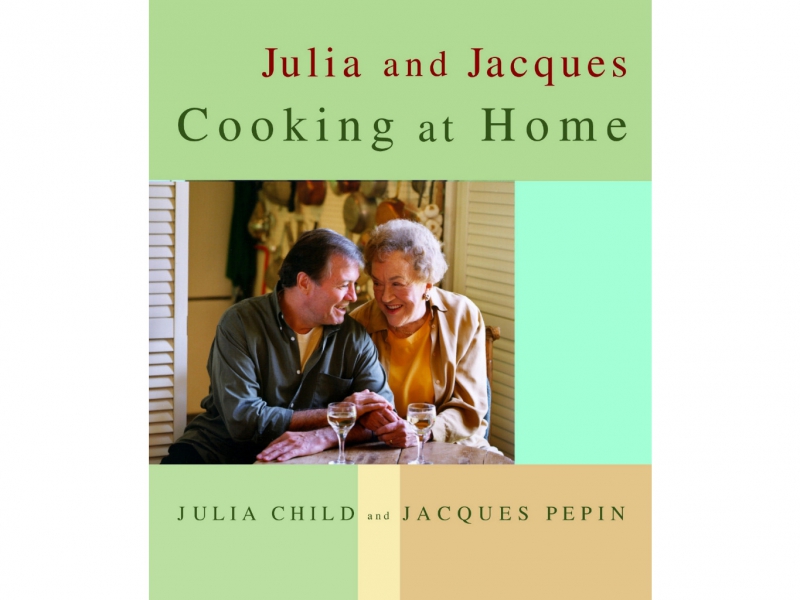
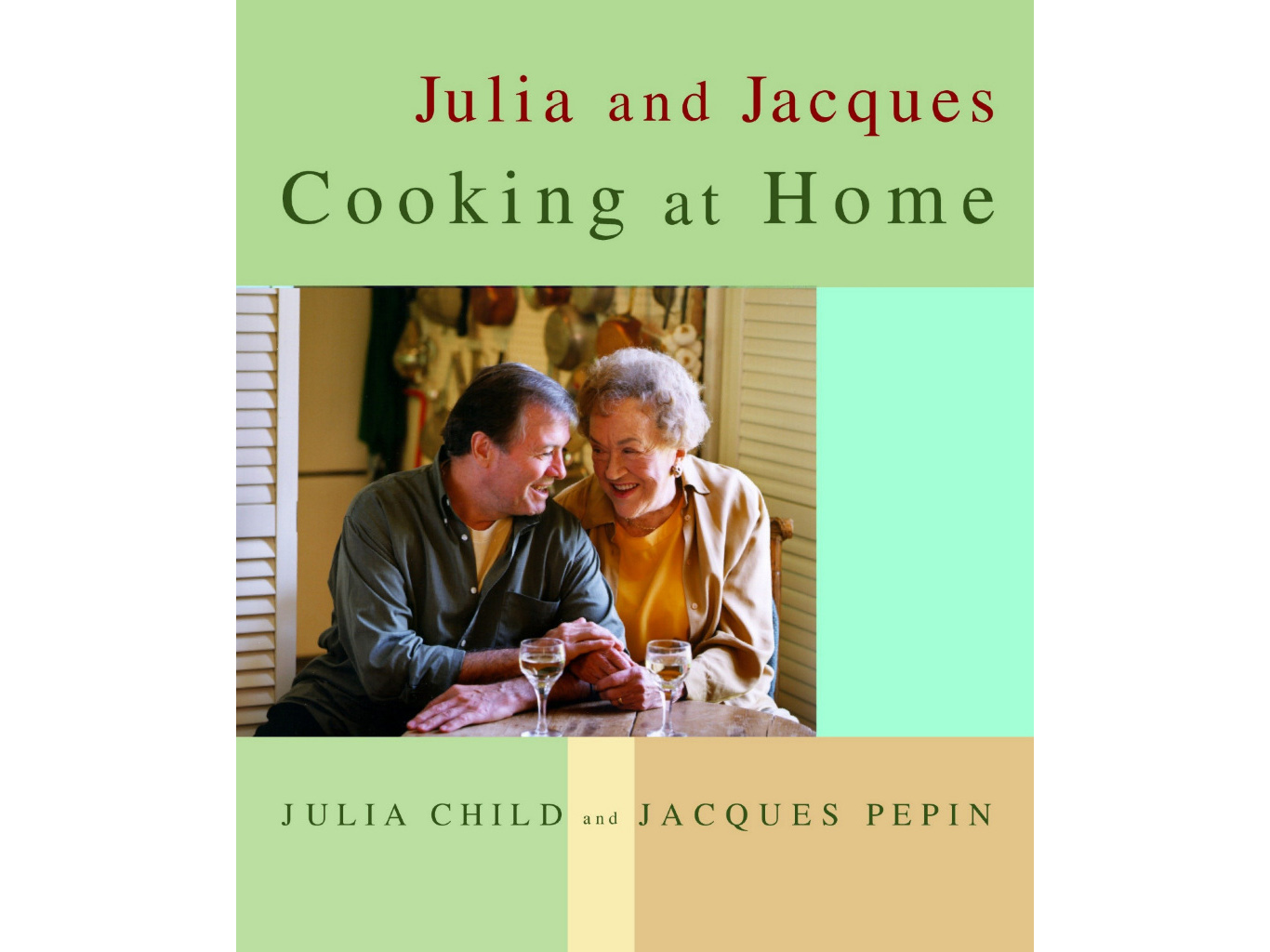
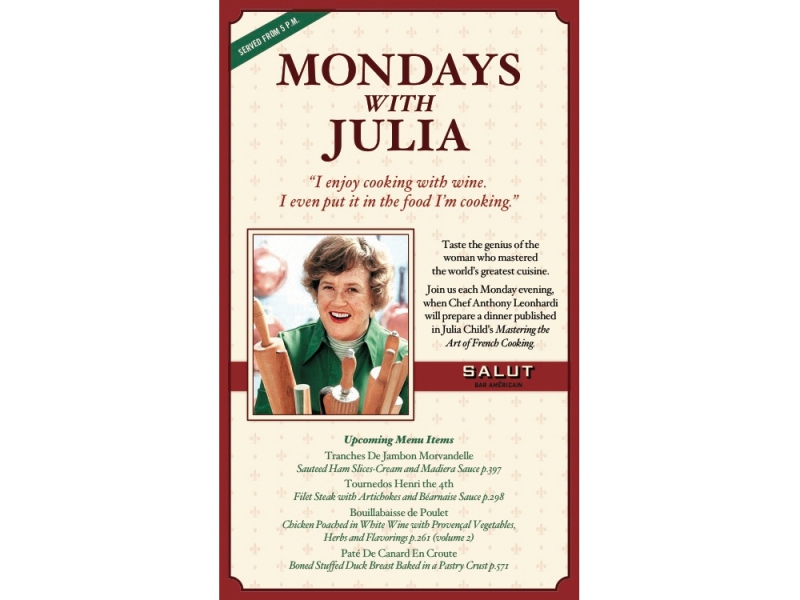
One thing I DO know: Julie Child and Jacques Pepin share the recipe for Steak Diane in the recently published Cooking at Home. And as you probably know, each and every week SALUT features a different Julia Child recipe as part of its “Dinner With Julia” Monday night special.
Is there a Monday night Steak Diane in Salut’s future? STAY TUNED!
W.T.F.

PHIL
BORGO BREAKS FROM TRADITION

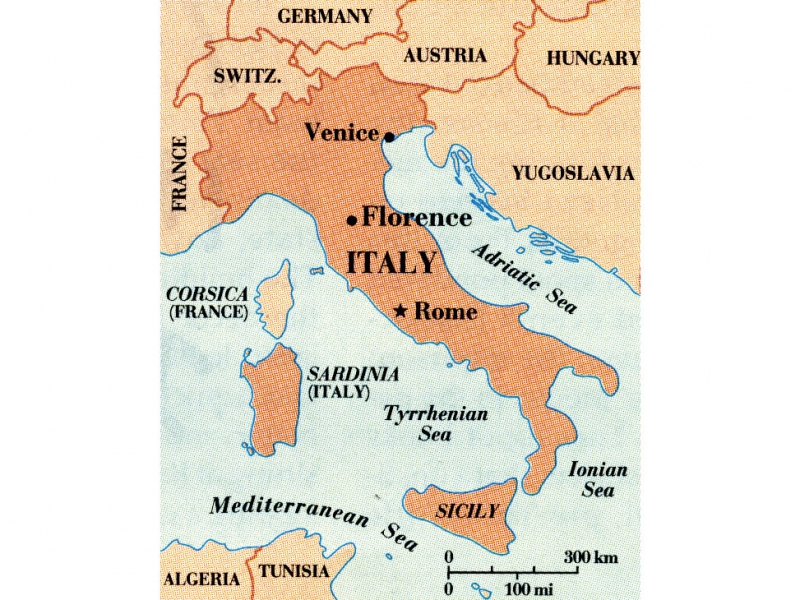
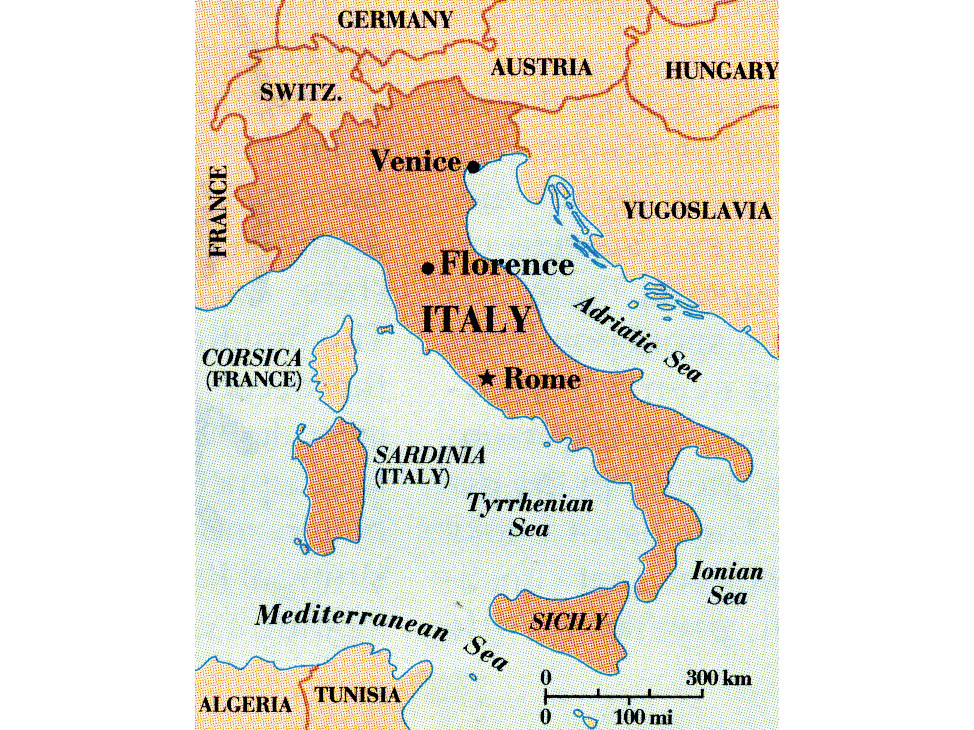
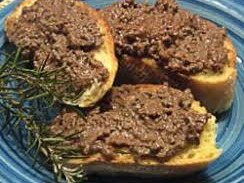
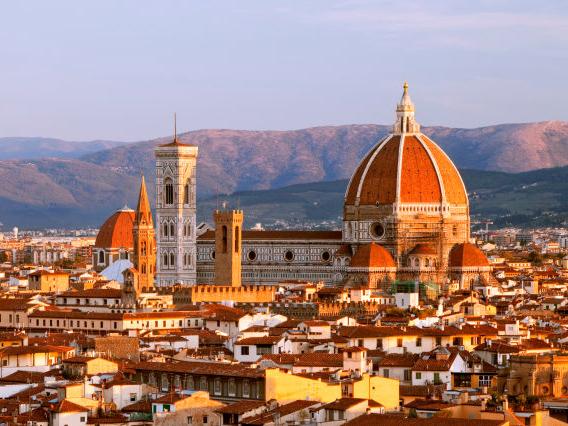
Italians embrace mercurial politicians, but when it comes to restaurants, they’re a nation of Rockefeller Republicans – prizing tradition and voting for continuity. Nowhere is this truer than in Florence and Tuscany, where restaurant menus can seem interchangeable. That’s fine with me. I can’t argue with the likes of Papa di Pomodoro, Ribollita, or the obligatory pre-meal antipasti (particularly Chicken Liver Crostini). Nor do I have any quarrel with Chianti or Super Tuscan wines. And when Porcini Mushrooms are in season…well, you know.

And who can turn down the iconic Bistecca Fiorentina?

Not only do the menus hew to tradition, the flavor profiles fall within a fairly narrow range, and wherever you go plating tends to be honest and straightforward, without a lot of flair.

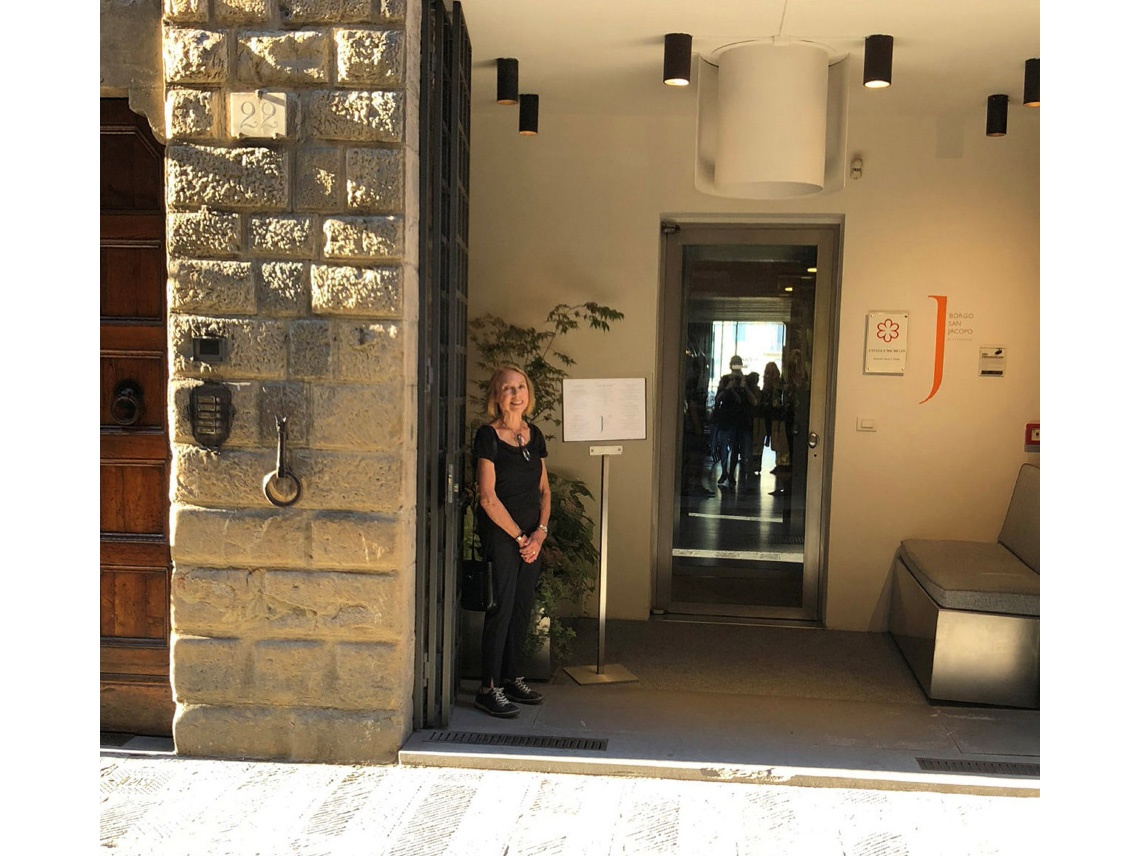
But after several evenings of eating the same sort of stuff, Joanne and I needed a counterpoint. And we found it at the BORGO SAN JACOPO.


Now, folks: Write this down.

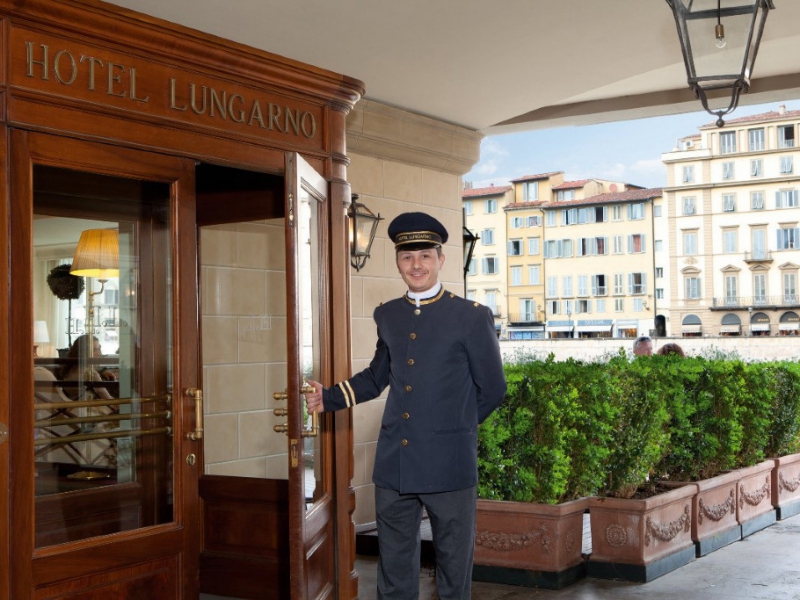
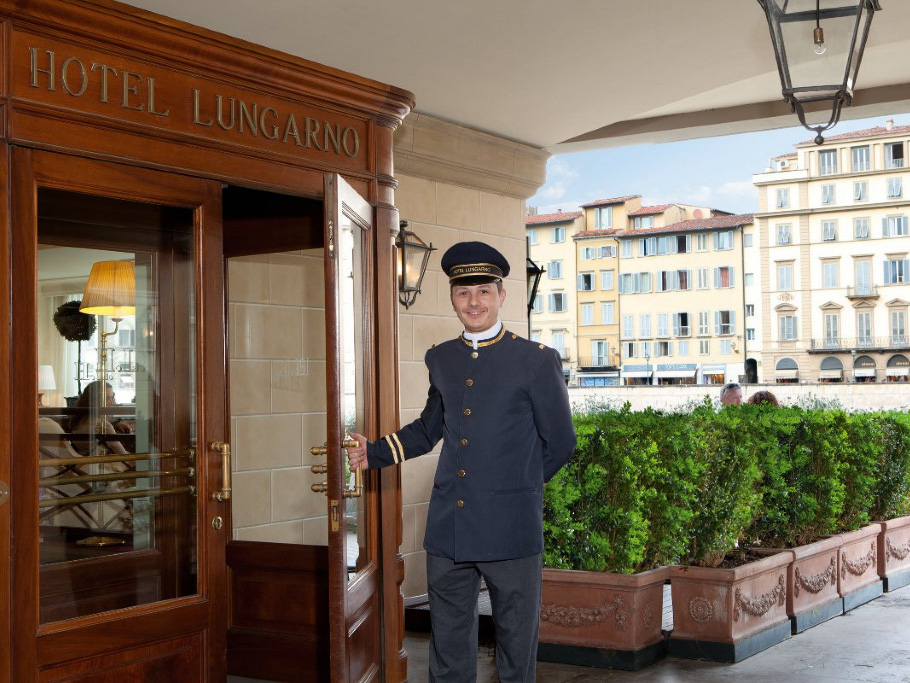
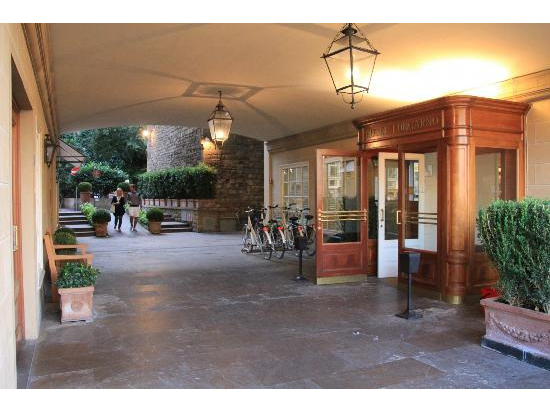
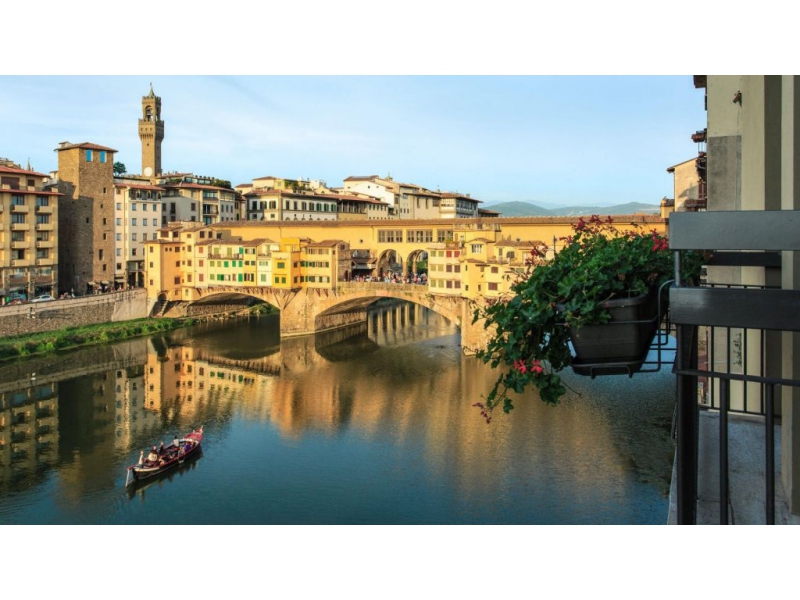
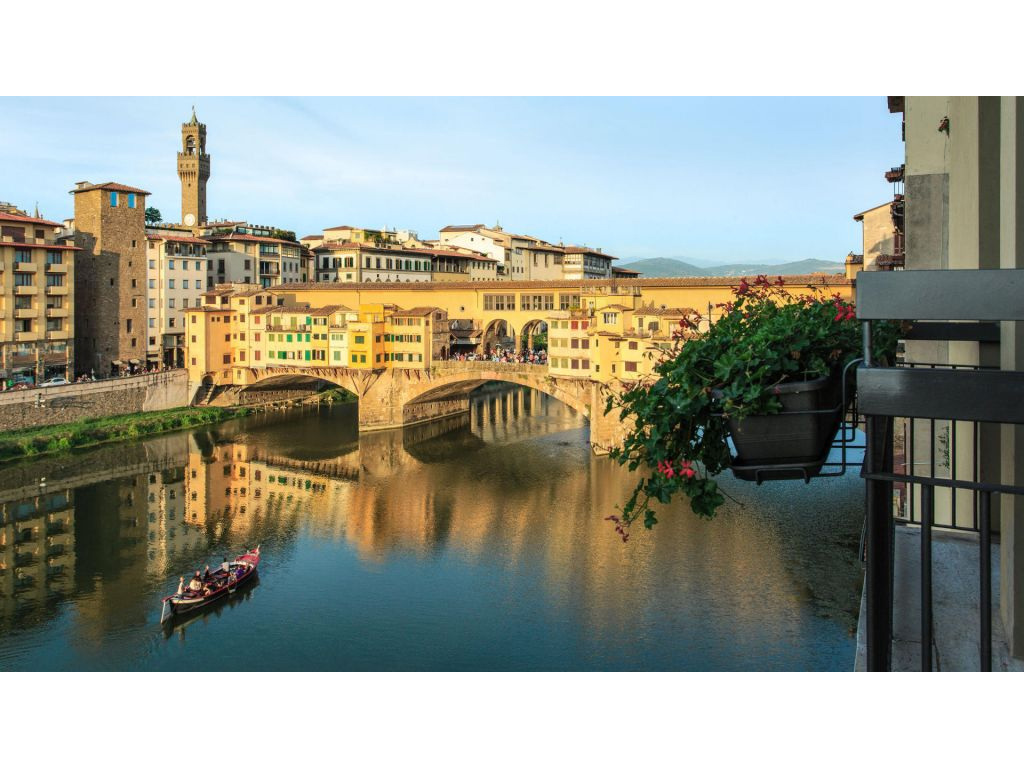
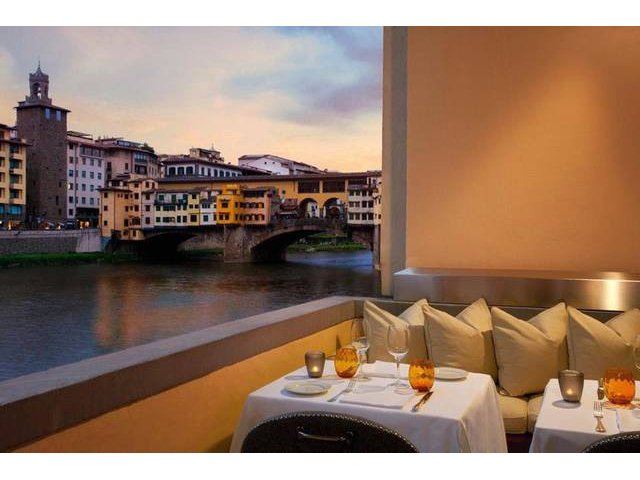
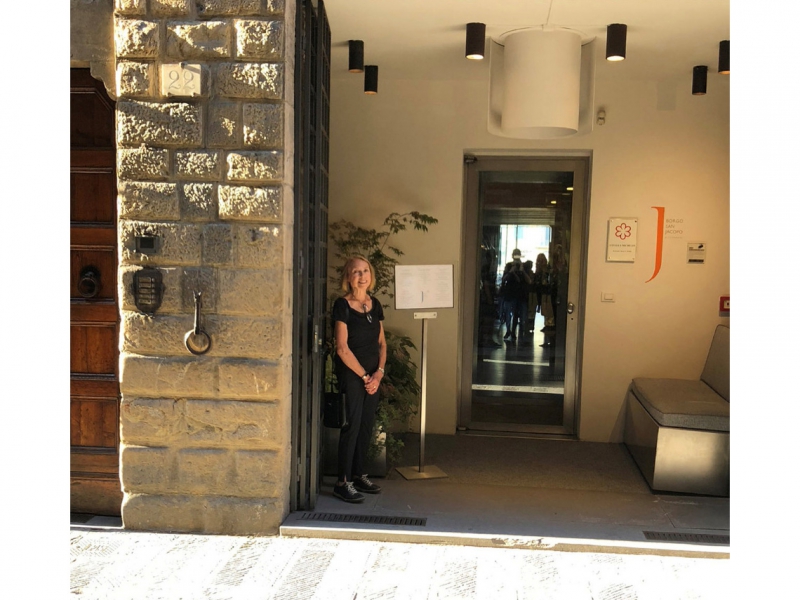
As you cross the Ponte Vecchio to the south and take an immediate right, you’ll come to the HOTEL LUNGARNO, one of the best in Florence and home to this fantastic restaurant.


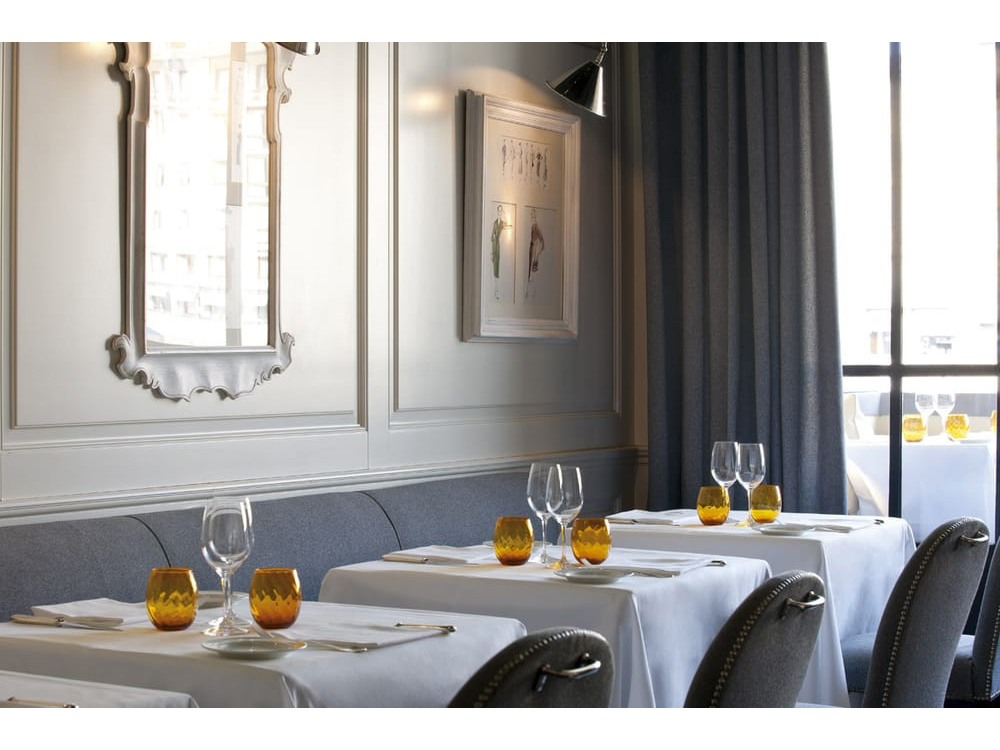
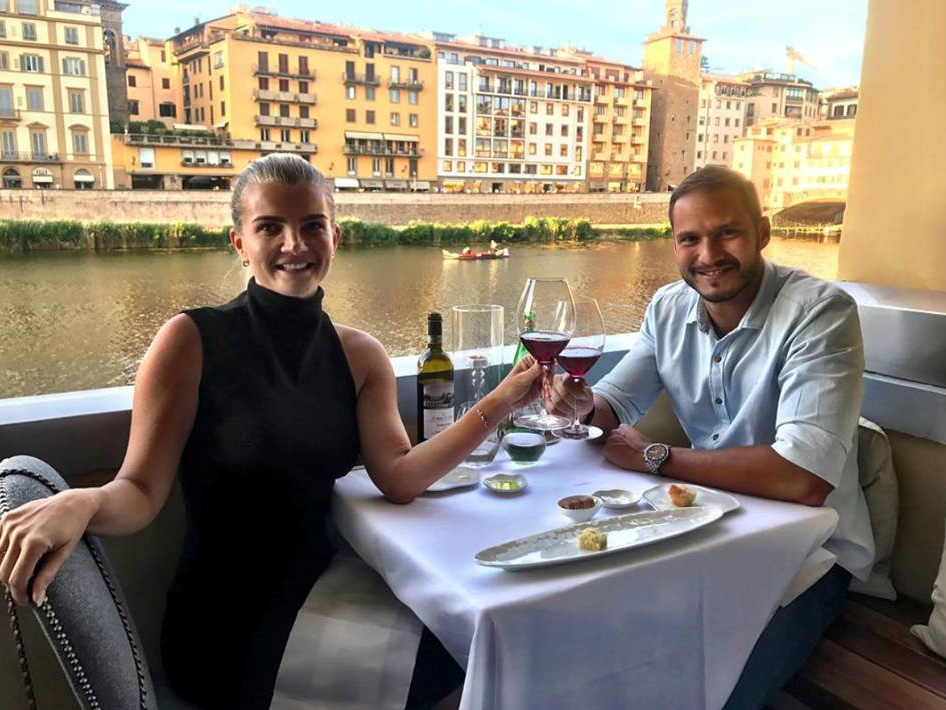
Reserve well in advance and request one of the four – yes, only FOUR – coveted tables on the tiny terrace overlooking the Arno, directly across from the Ponte Vecchio. These four tables – Numbers 12, 13, 14 and 15 – may be the most romantic in all of Florence.

The restaurant is owned by Ferragamo and the Michelin-starred kitchen is under the command of the acclaimed chef, Peter Brunel. The place is not cheap. But neither is it a rip. Prices fall right in line with similar spots in Minneapolis and other cities.

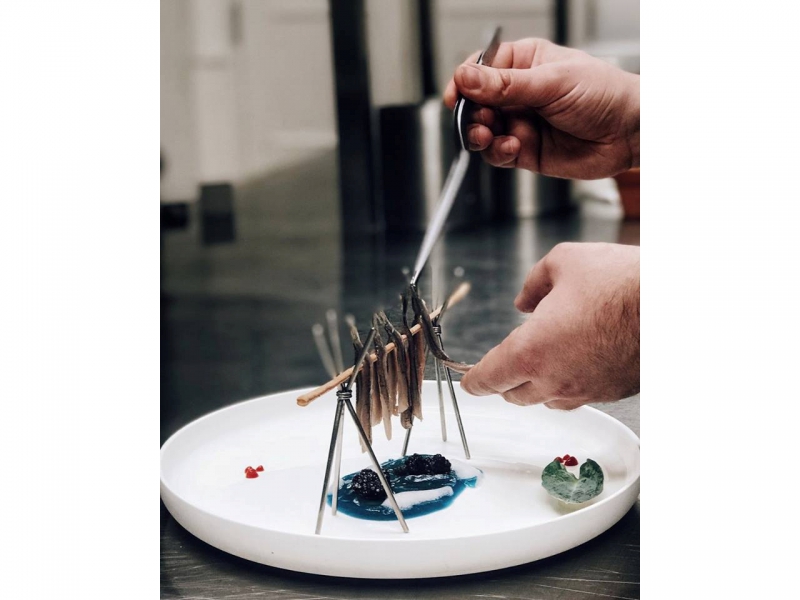
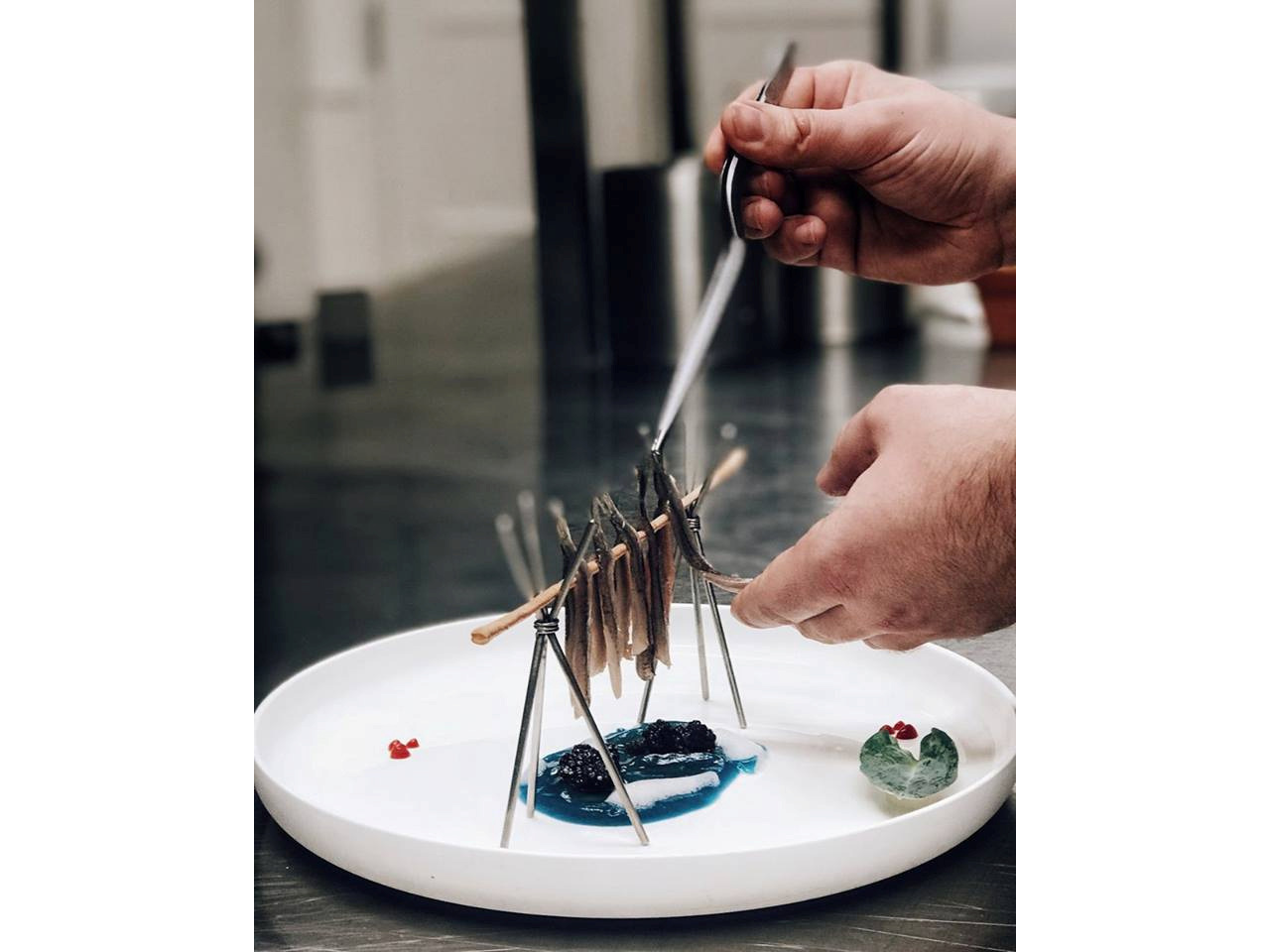
I had read about Peter Brunel’s creative plating and because we were in the process of designing SALUT’s fall menu, I wanted to see what he was up to and just what might apply to SALUT. Dinner will be special. Peter Brunel won his first Michelin star at the age of 28 when he helmed VILLA NEGRI ristorante in Vincenza. The youngest Italian chef ever to do so, Brunel winks at Tuscan traditions, transporting familiar dishes to innovative and unexpected dimensions, sometimes involving a bit of molecular gastronomy.

I don’t quite know how it happened, but Joanne and I managed – as walk-ins – to snag one of the four tables on the terrace. WHEW! And WOW !

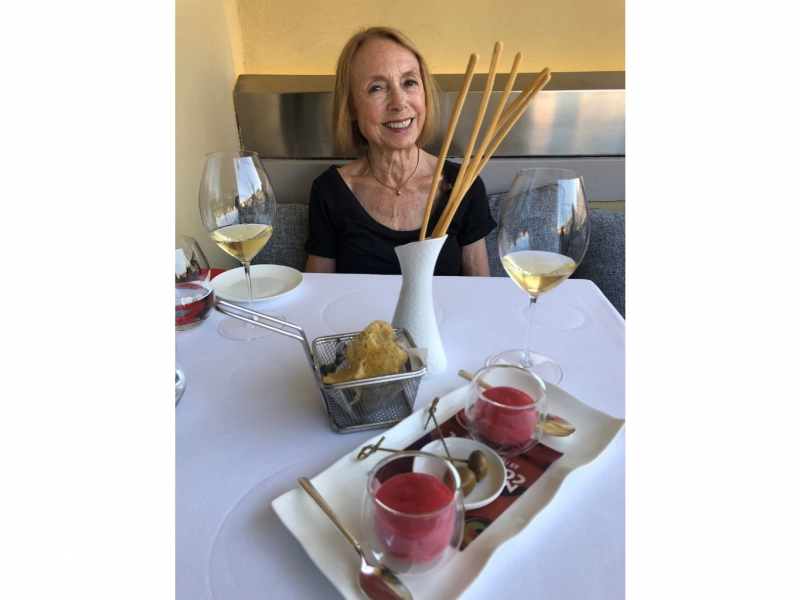
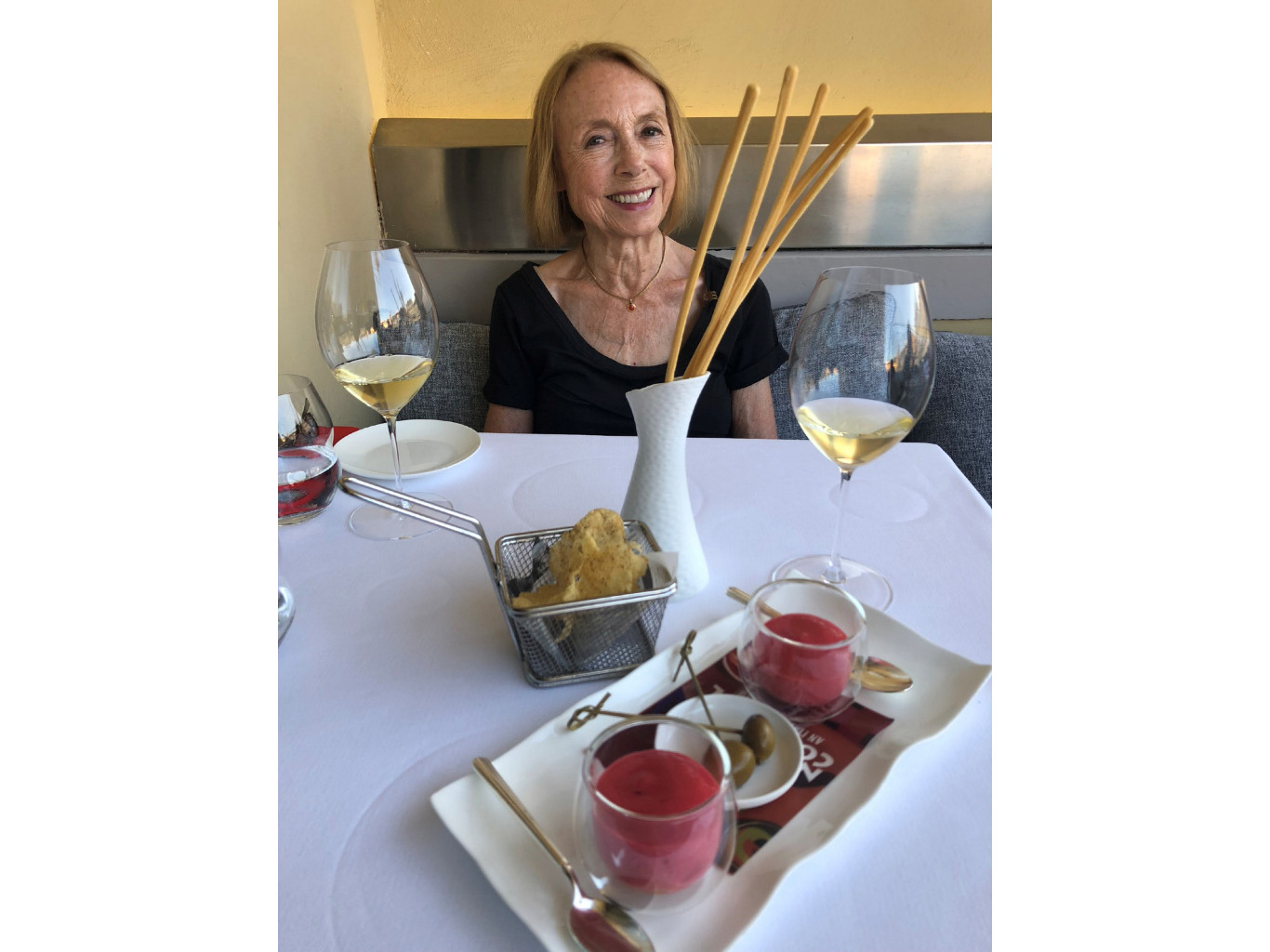
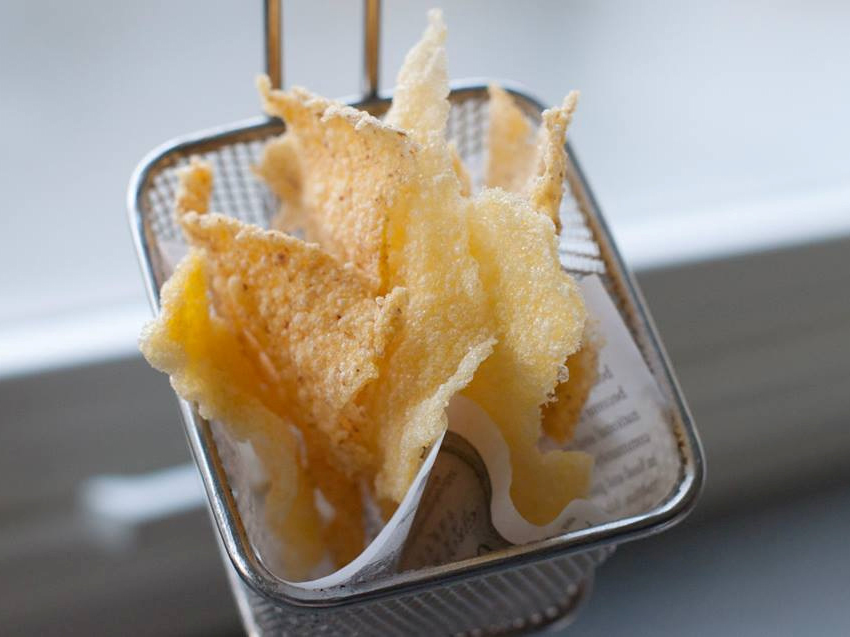
The show began with an amuse bouche of two small glasses of refreshingly cool raspberry/orange foam generously invigorated with gin. The glasses “bookended” what appeared to be two rather large olives. Fooled me! They turned out to be Baby Peaches (yum) soaked in Campari (double yum). To offset the smoothish texture of the foam, a fry basket of homemade crispy Corn Chips rode shotgun.


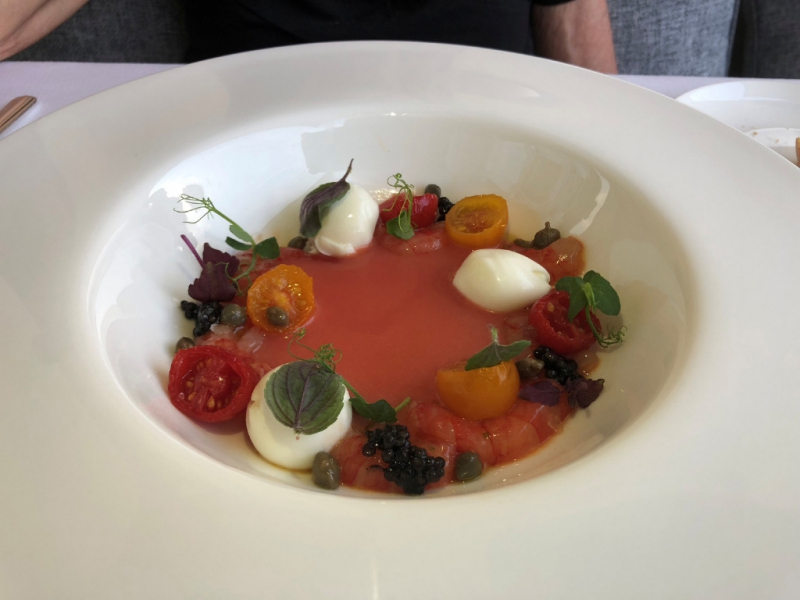
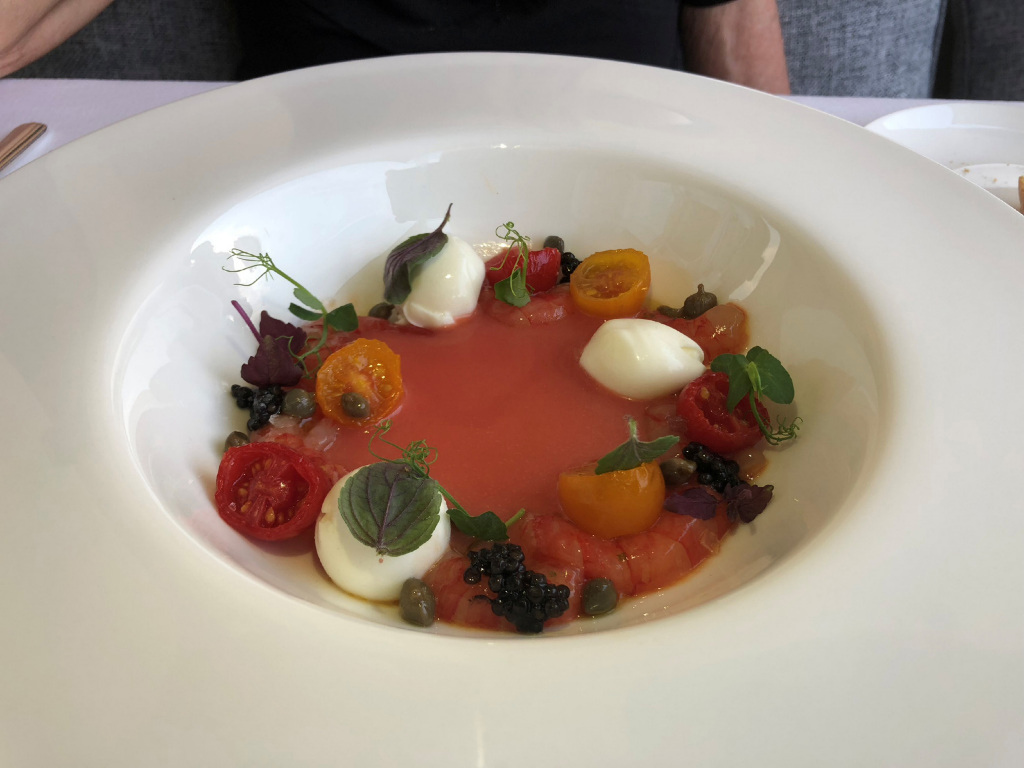
Among the appetizers, Joanne loved the baby prawns with cherry tomatoes, mozzarella, capers, fresh herbs and lime, enlivened in a bright and cooling, intensely flavorful tomato broth. It was called Prawns and Caper Caprese.

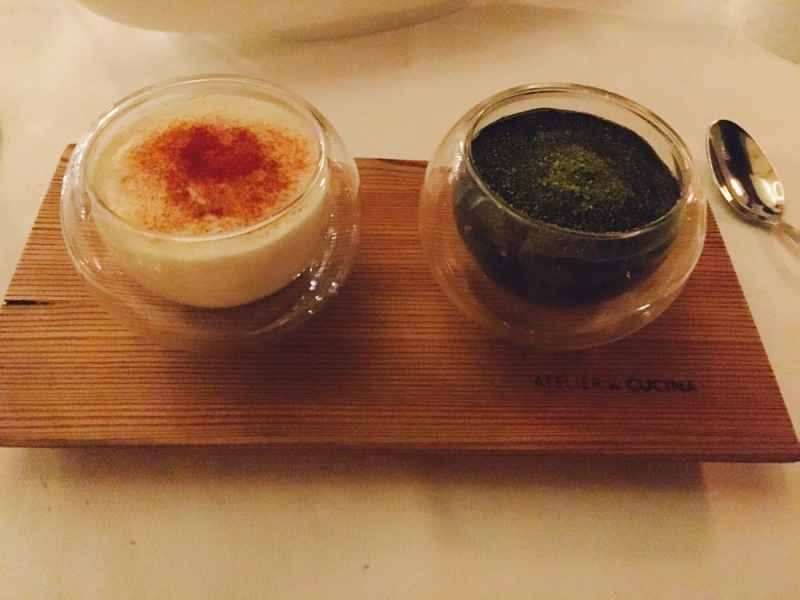
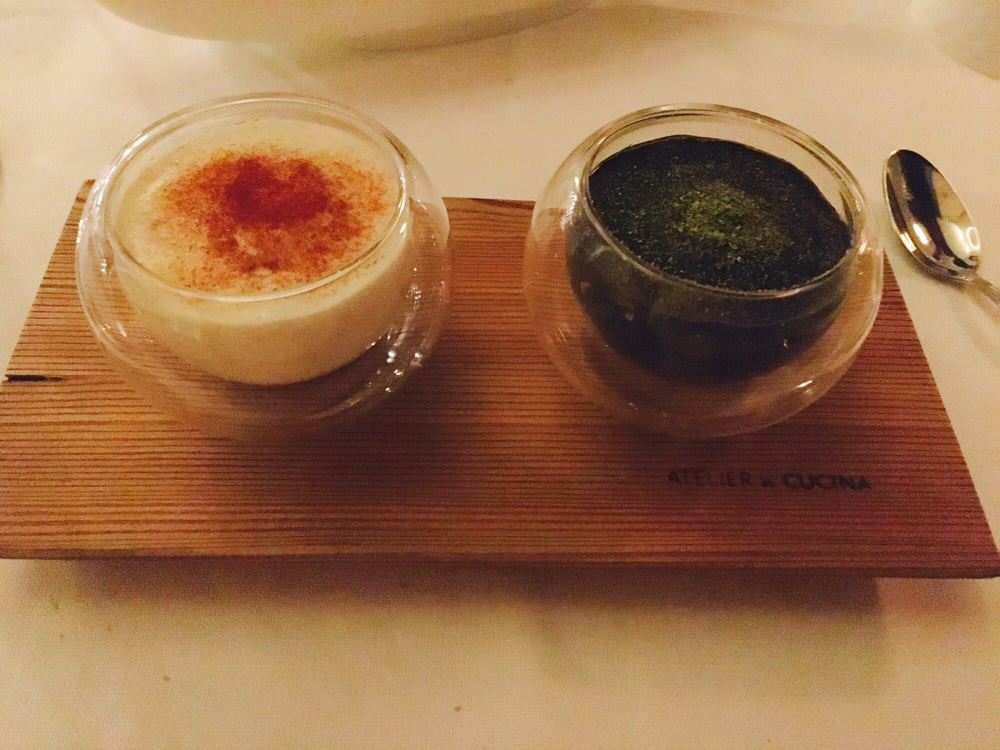
Because it was a warm summer night, I chose a cooling appetizer as well, one plucked from the eight-course, prix fixe ALL POTATO MENU. It consisted of two small vessels of cold potato velouté – one iteration with hen eggs, the other flavored with a little pop of lake trout eggs. The dish was called Duet of Cold Potato Soup with Lake and Land Eggs.

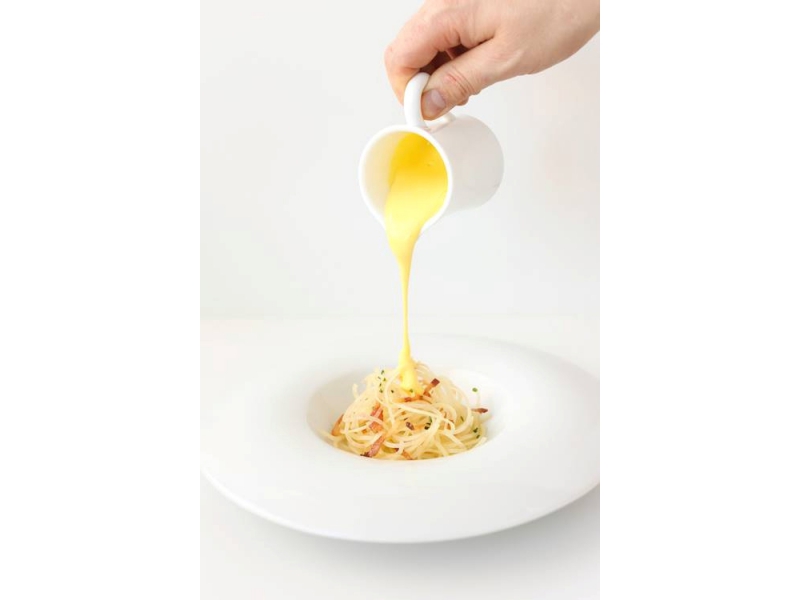
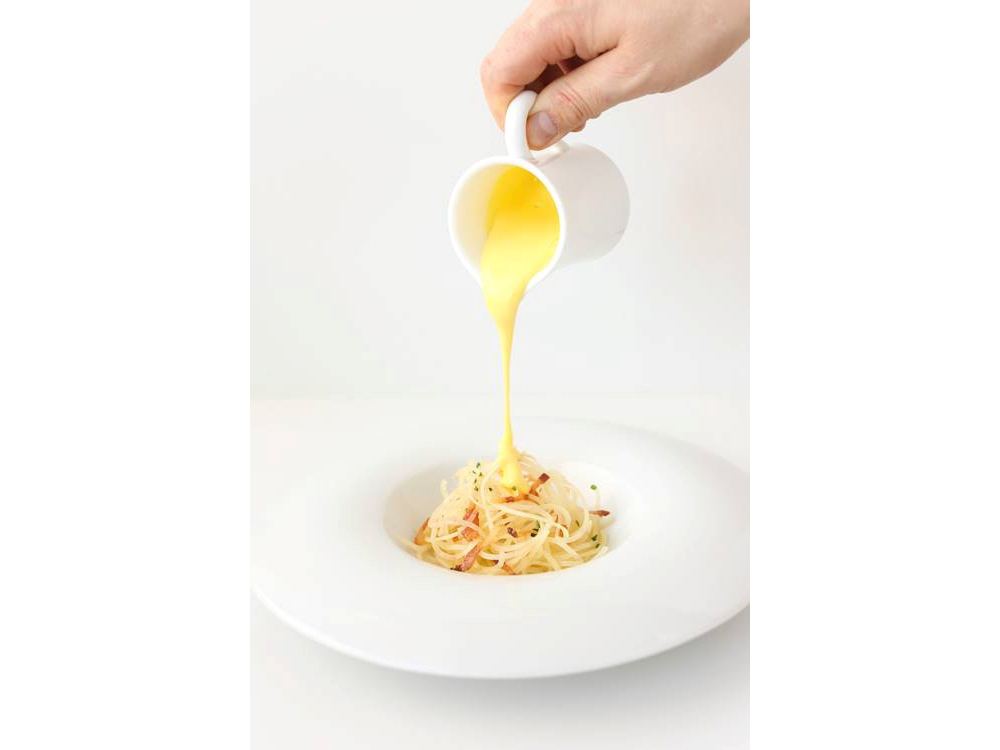
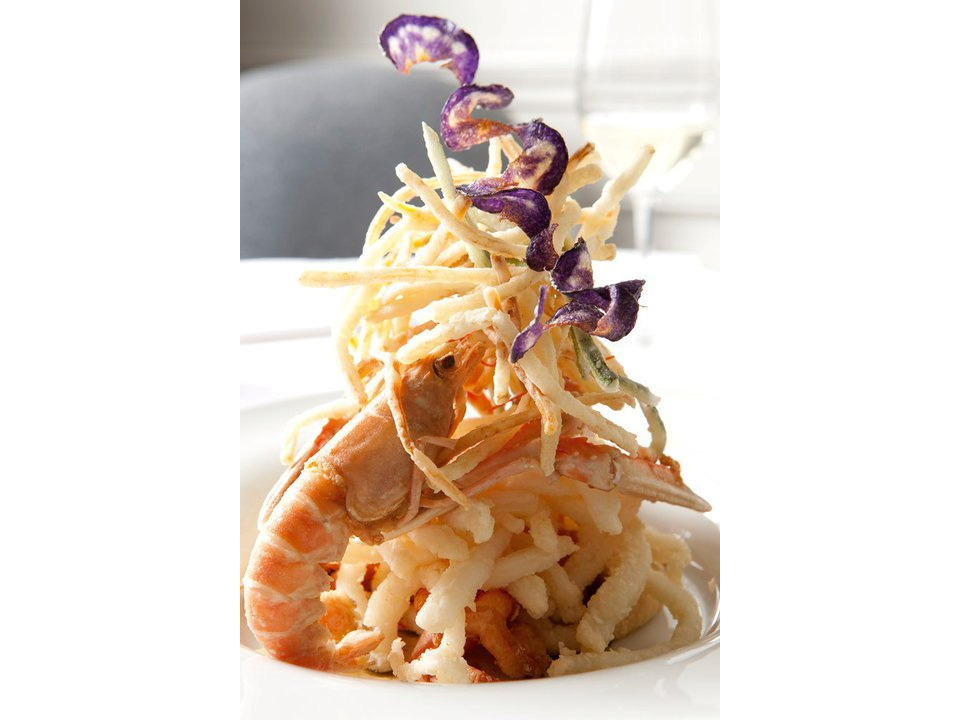
BTW….the All Potato Menu also featured Potato “Spaghetti” Carbonara – the “spaghetti” being made entirely out of potatoes. That’s molecular gastronomy coupled with a dose of chemistry.

It was about at this time that I had to intervene with the pace of the service and ask (Joanne said I “told”) our server to slow down. We were being rushed. In a well-run dining room, our server would have said, “I apologize Mr. Roberts. I want this to be the most pleasant meal you have ever had in Italy and I will certainly assure you that you won’t feel rushed.”

Instead she replied, “Well, it’s 7:30 already and we’ve allotted you two hours to complete your dinner. We need this table at 9:00.” Needless to say, I asked for the manager, who turned out to be polite, contrite and embarrassed about the server’s “bedside manner.” He told us that the table was ours for the entire night if we chose, and he assigned another, more gracious, server to our table.

Let me stop a moment to say, as an operator, that I understand the focus on table turnover. But that’s my problem, not the diner’s. Guests should never feel rushed. And if they specifically ask you to slow down the service, you don’t exacerbate the problem the way our server did – you go into damage control mode the way the manager did.

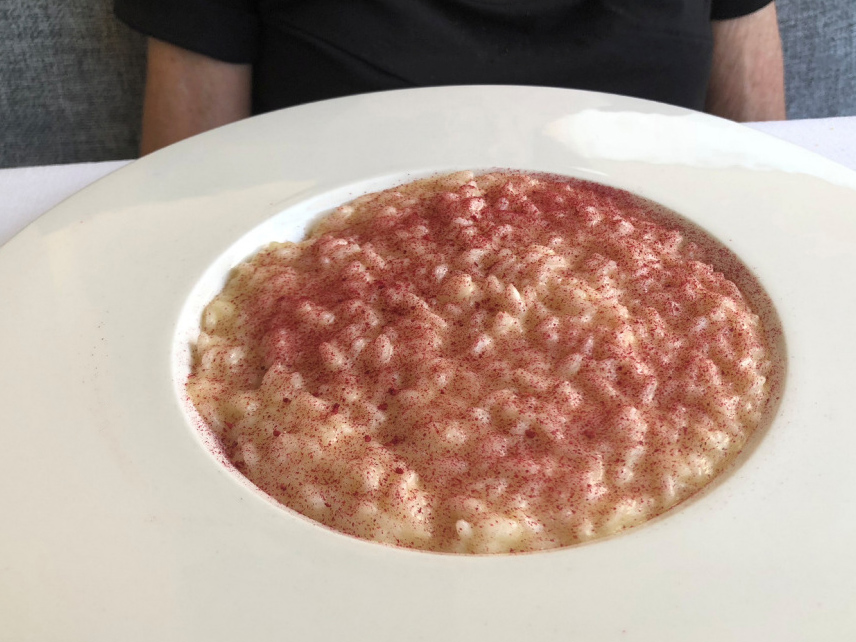
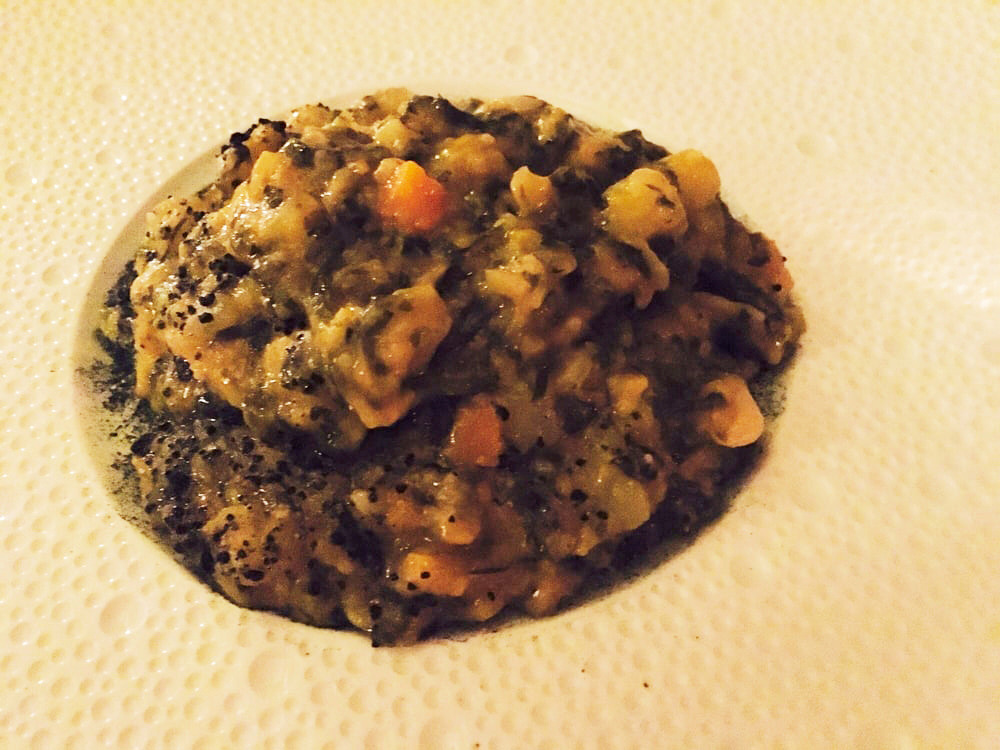
Back to the meal – and the steady flow of wit and whimsy as evidenced in Joanne’s second course: a Risotto that infused Arborio rice with apple water, horseradish, vin santo (sweet dessert wine), raspberries and, of course, Parmigiano Reggiano.


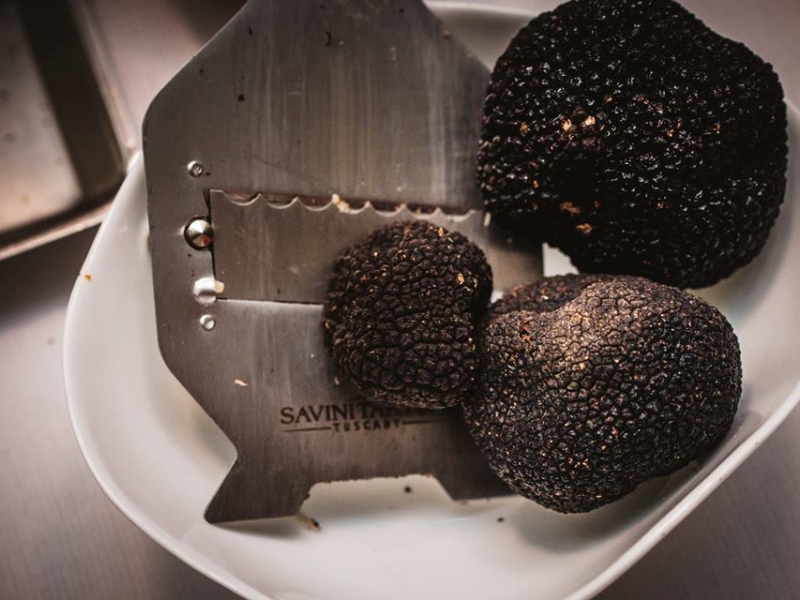
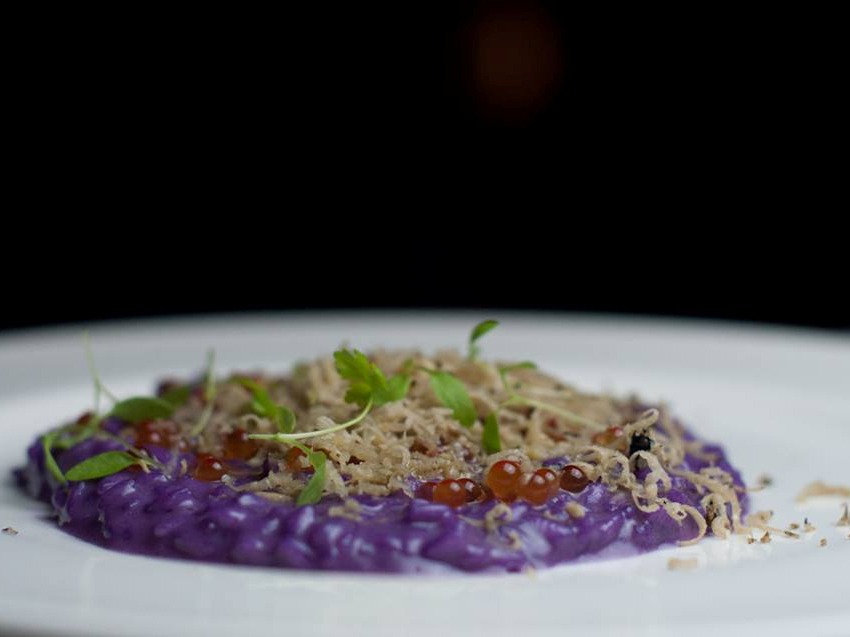
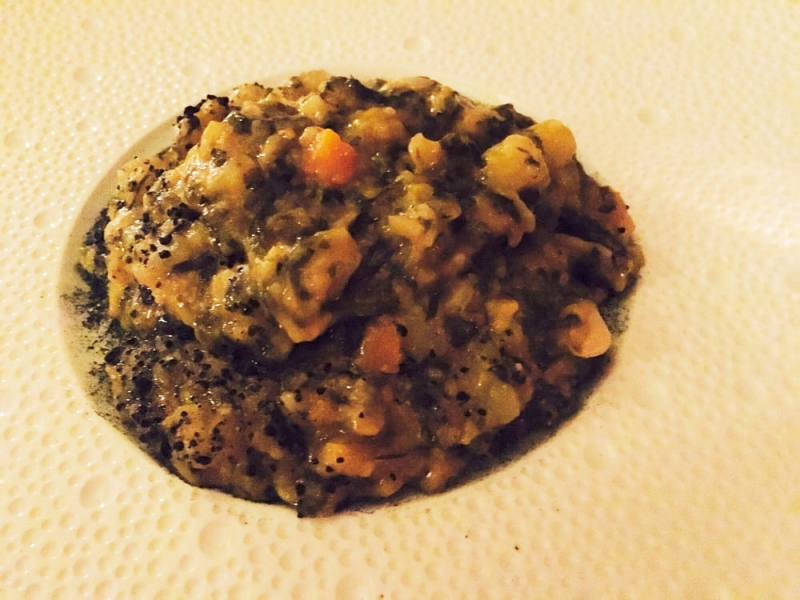
One of the other tables ordered an intriguing dish that our server explained to us was risotto with red cabbage jus, trout roe, black truffles and a generous grading of Parmigiano Reggiano. WAIT A MINUTE!!!! I thought cheese was NEVER, EVER to be grated on a dish with seafood. SCREW THAT. I bet it was delicious!

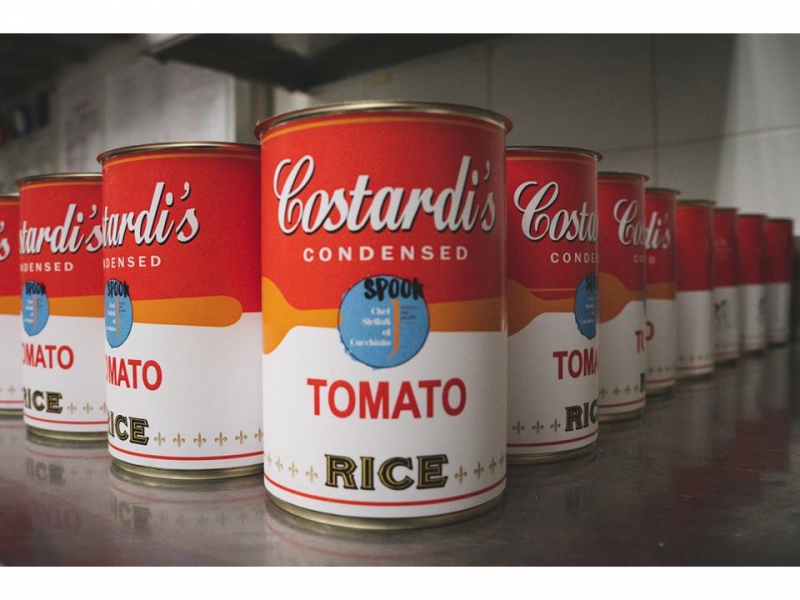
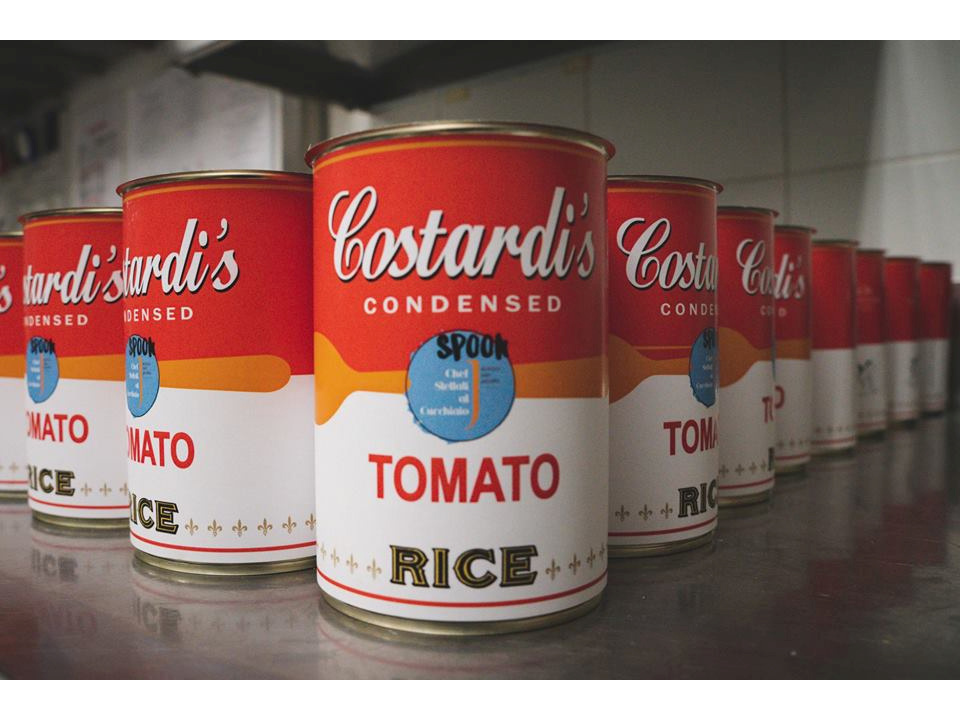
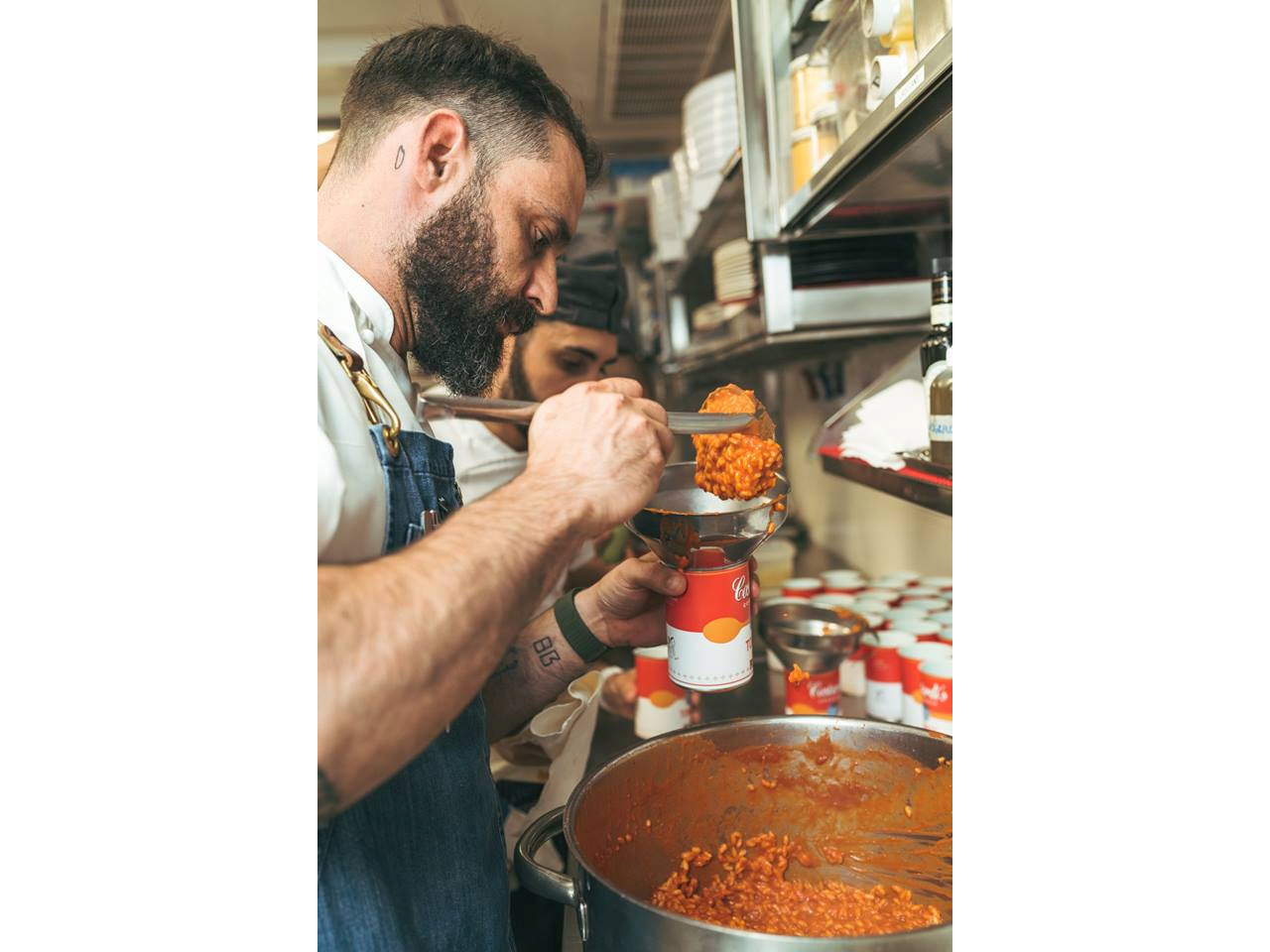
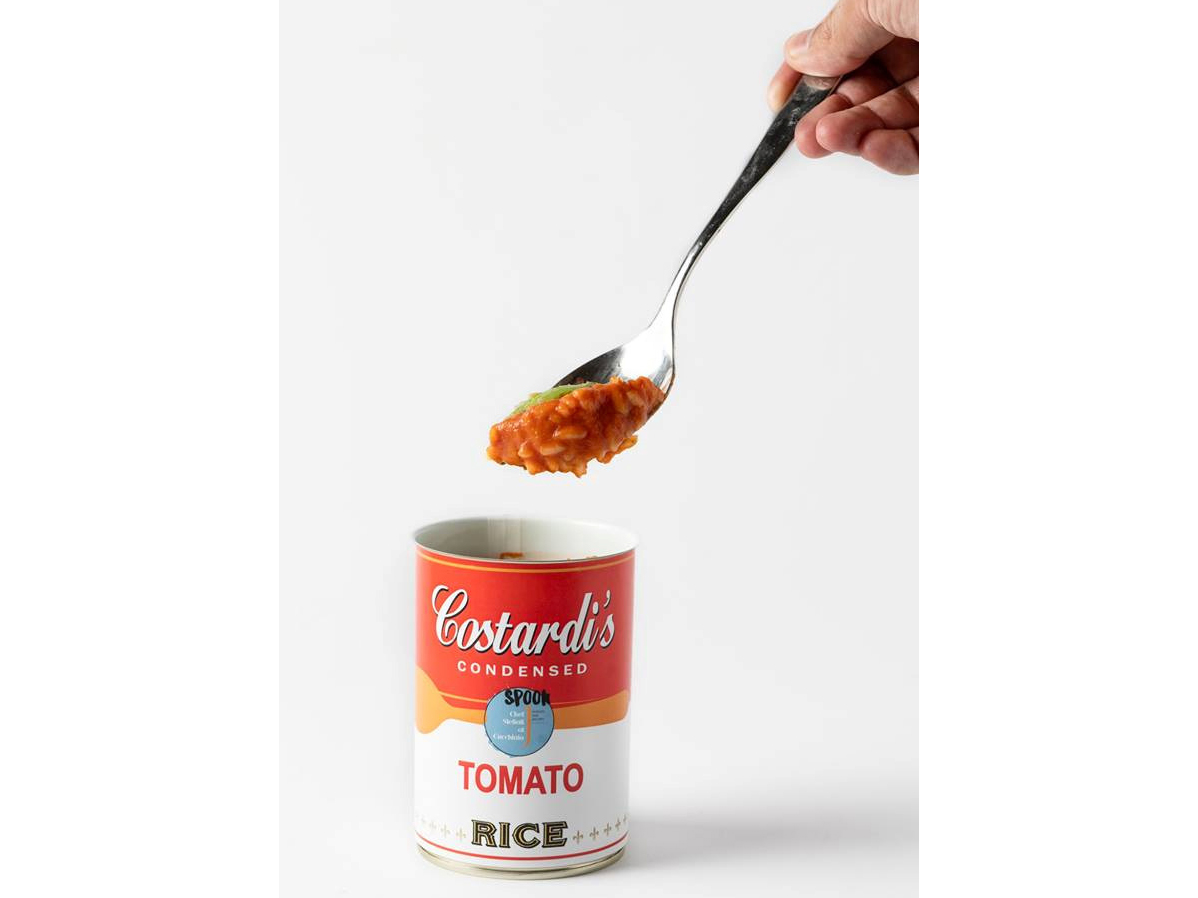
Oh, and speaking of surprise and delight, Brunel serves his Risotto Pomodoro in a kind of Campbell’s Soup-like tin. I really admire witty plating like that, especially in fine dining restaurants where it’s important to show that you’re not too tightly wound. Being precious and full of yourself is not the recipe for your guests to have a fun and relaxing experience. Let’s remember: It’s JUST A RESTAURANT. We’re not curing heart disease here.

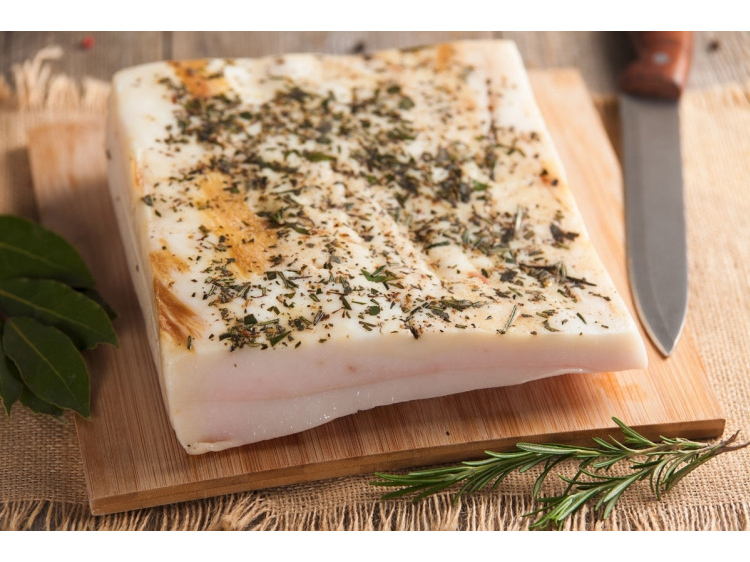
Among the pastas, we also tried a Wild Boar Ravioli (very Tuscan) prepared with “Cinta Senese Acid Butter” (not-so-Tuscan-sounding). It turns out that Cinta Senese refers to a local Heritage breed of pig known for its abundance of fat, and the “acid butter” in the ravioli isn’t butter at all – it’s old fashioned fatso goodness: LARD!

Main courses were indeed very, very pretty. And both of our selections were very, very good as well.

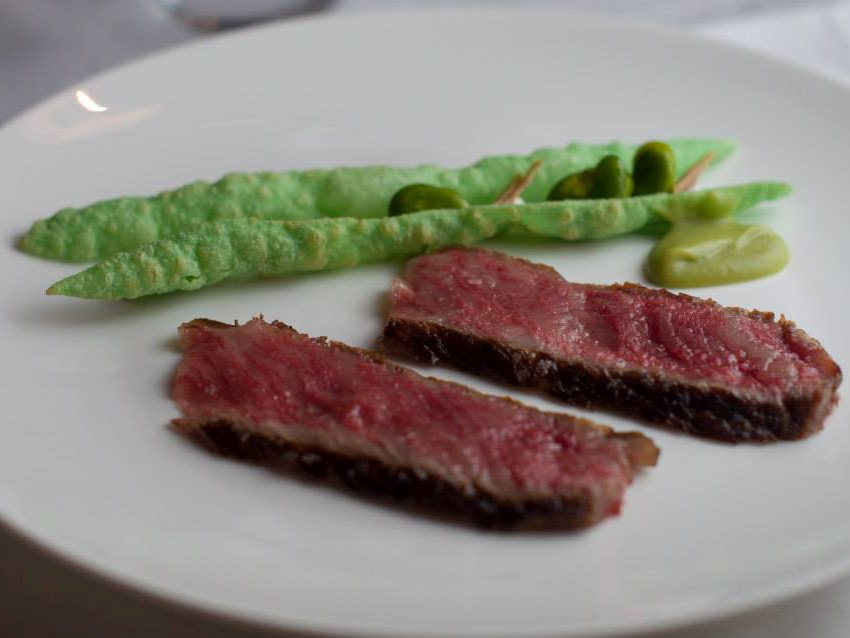
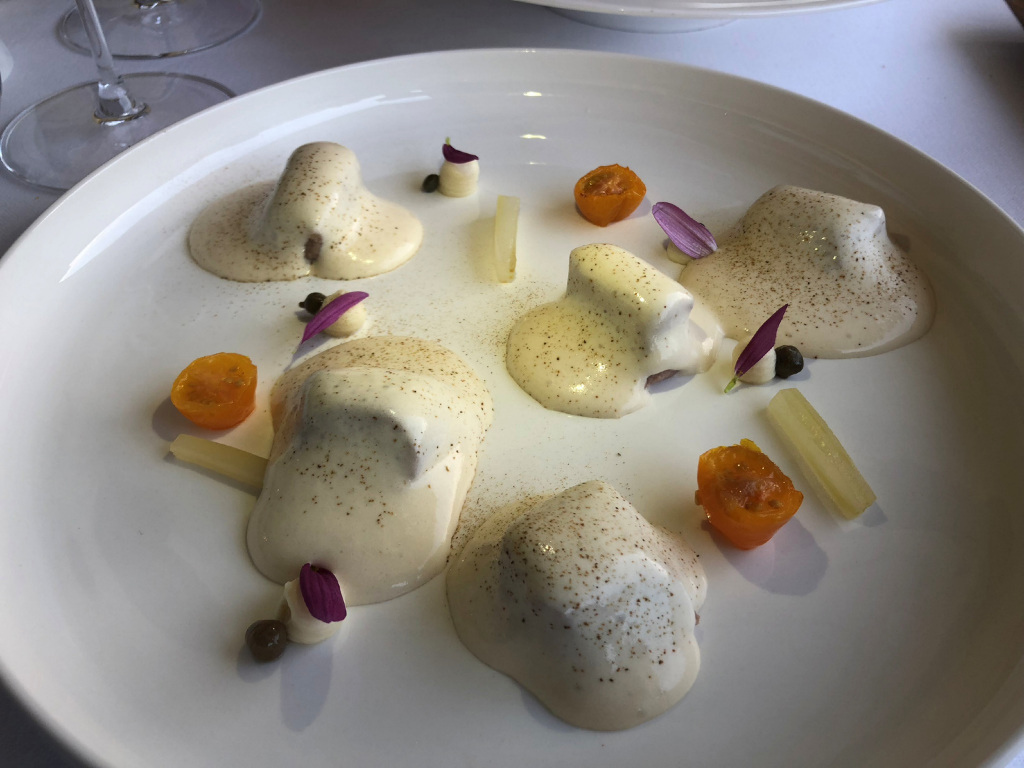
Bite-sized beauties of pink veal with a sauce of potato and veal jus were plated with just-picked cherry tomatoes and a scattering of caper leaves. Portions were small, but rich and nuanced as only veal can be.

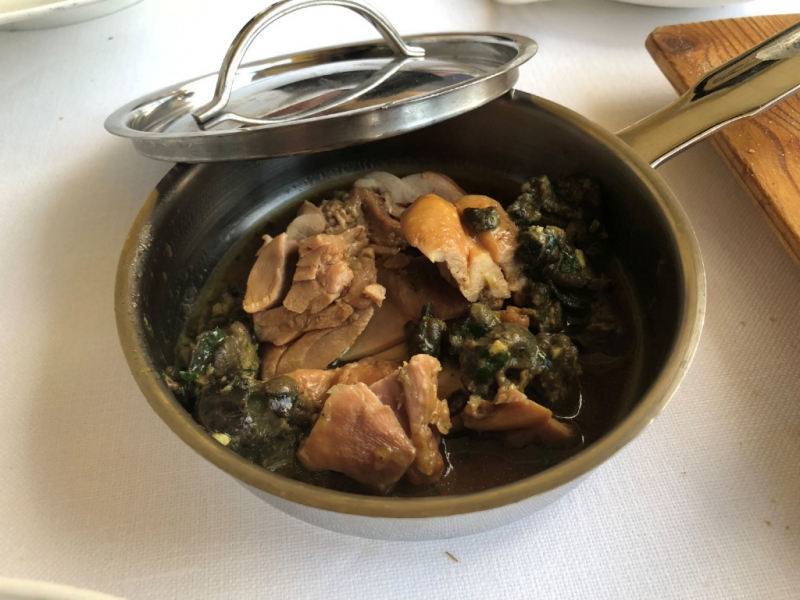
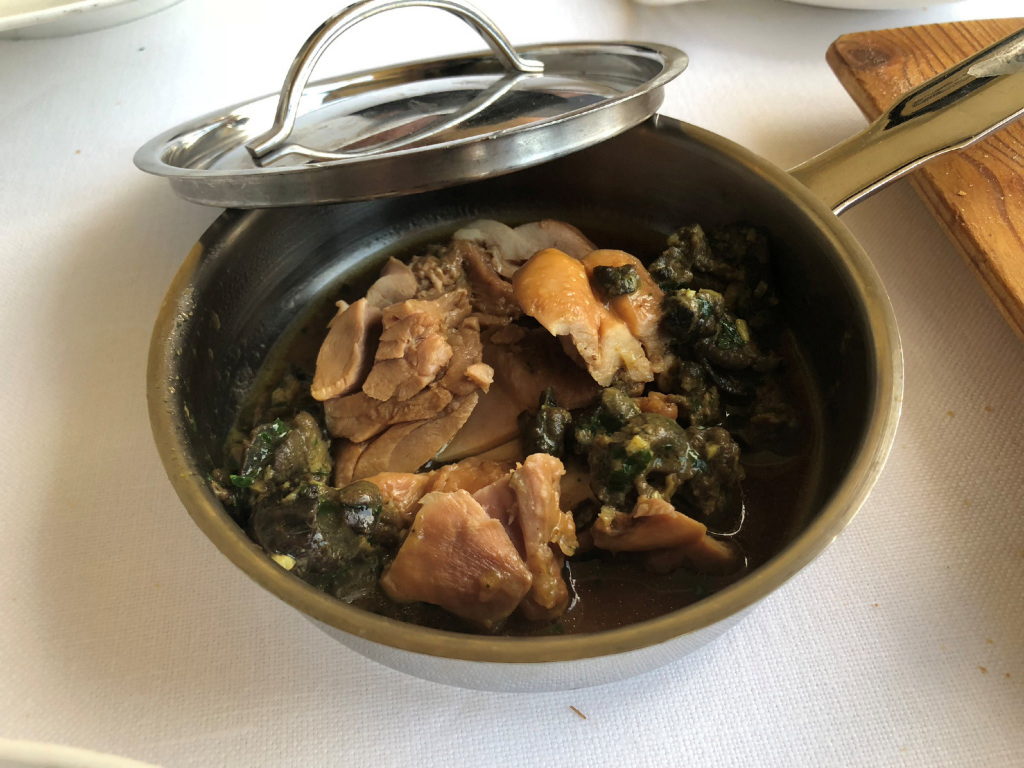
Joanne, of course, will not go near veal. She opted instead for Bresse Rooster in two different cooking techniques: breast and leg with parsnips, onions, snails and saffron cream (I did not know that France was permitted to ship Bresse chicken to other countries – certainly not the U.S.) But if the pedigree of the chicken surprised me, the flavor did not: it was spectacular.

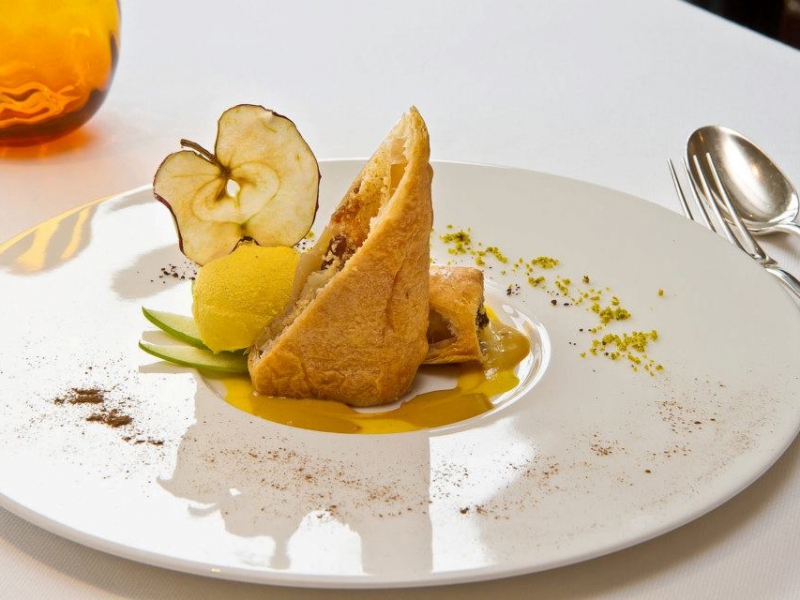
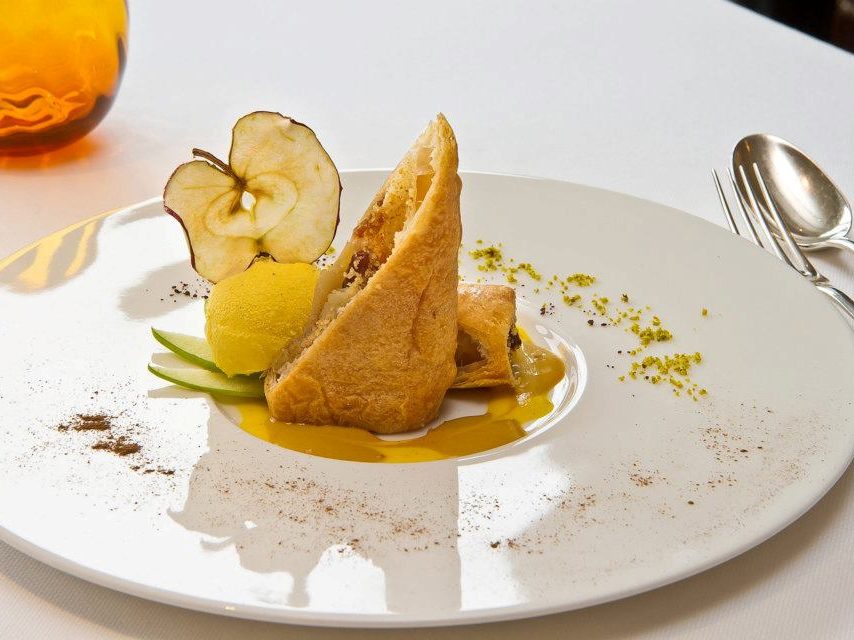
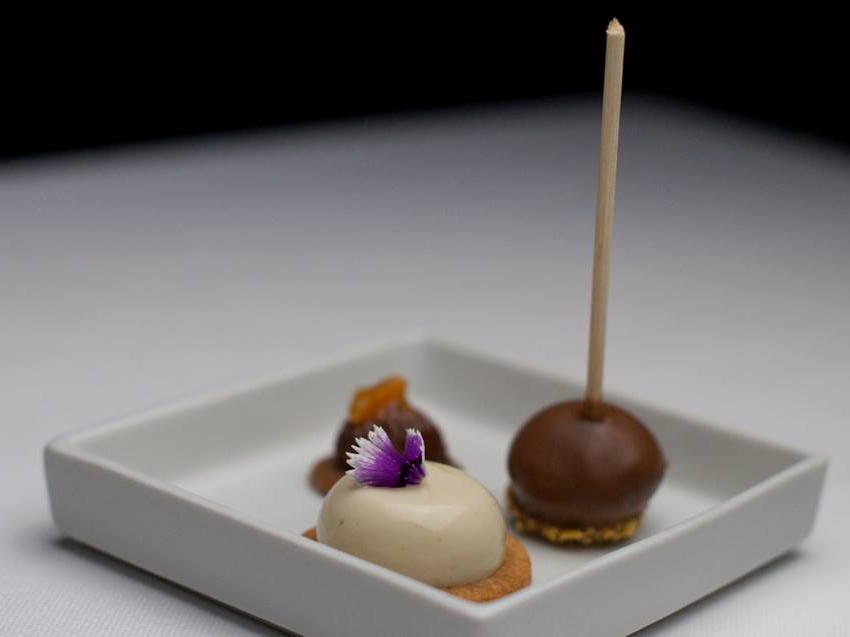
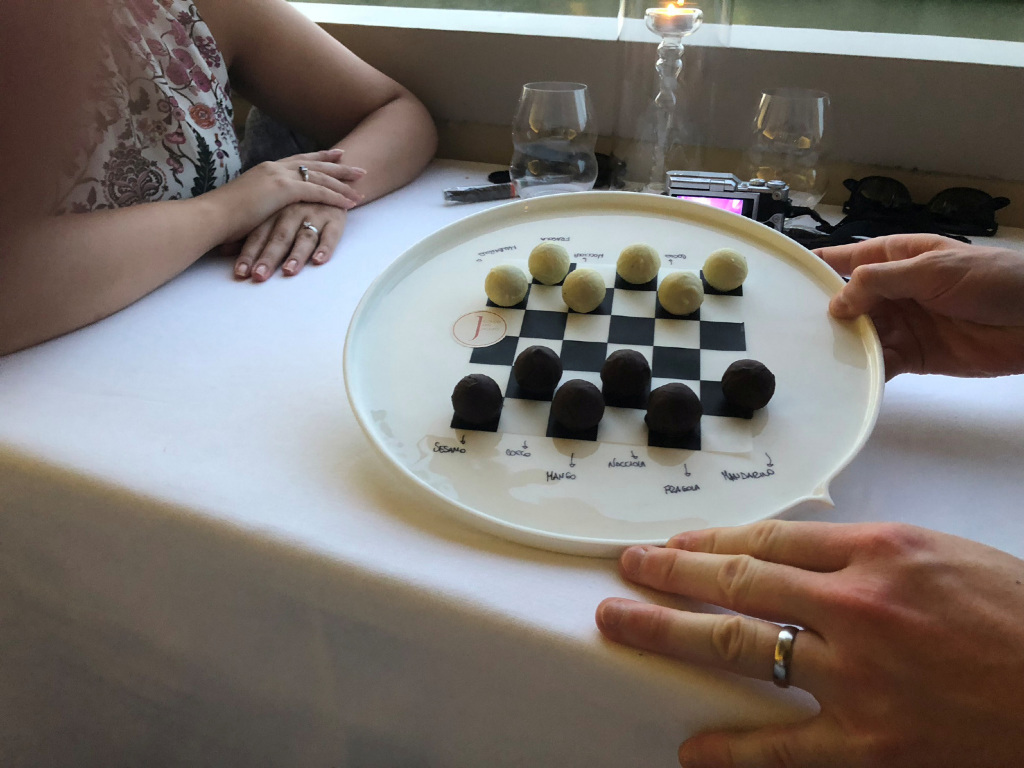
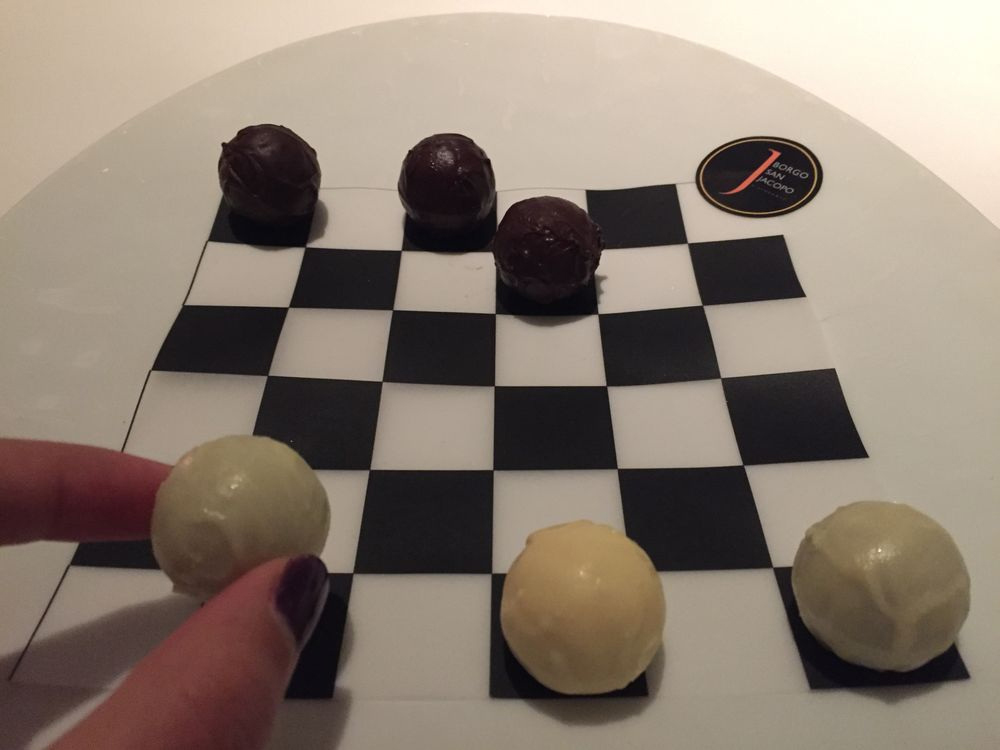
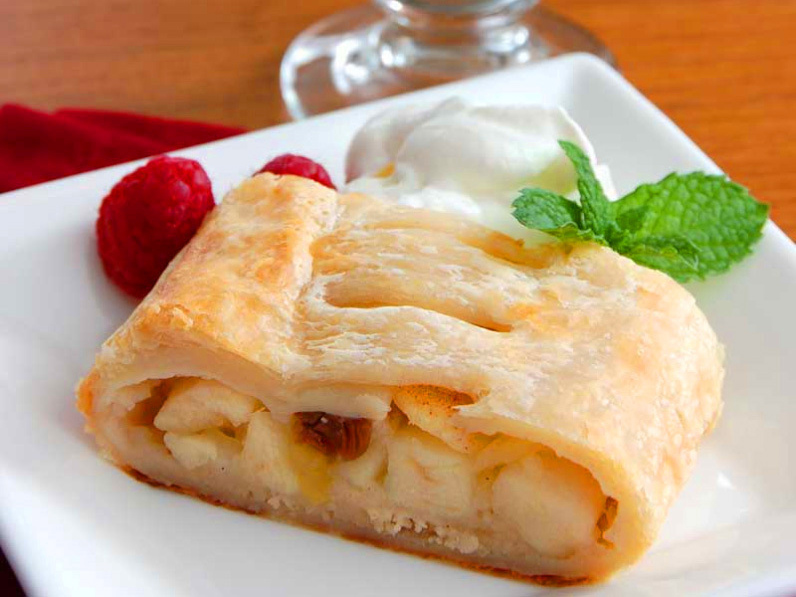
We forged on to dessert, including Apple Strudel and Chocolate Lollipops. They were very good – but I wished we had ordered what the table next us had: a finger food presentation of six white and six dark chocolate truffles laid out on a checkerboard plate. A THING of JOY!

I was taught not to play with my food. Thank God Chef Brunel did not get the message!

W.T.F.

PHIL
ITALY’S BREAD RULES

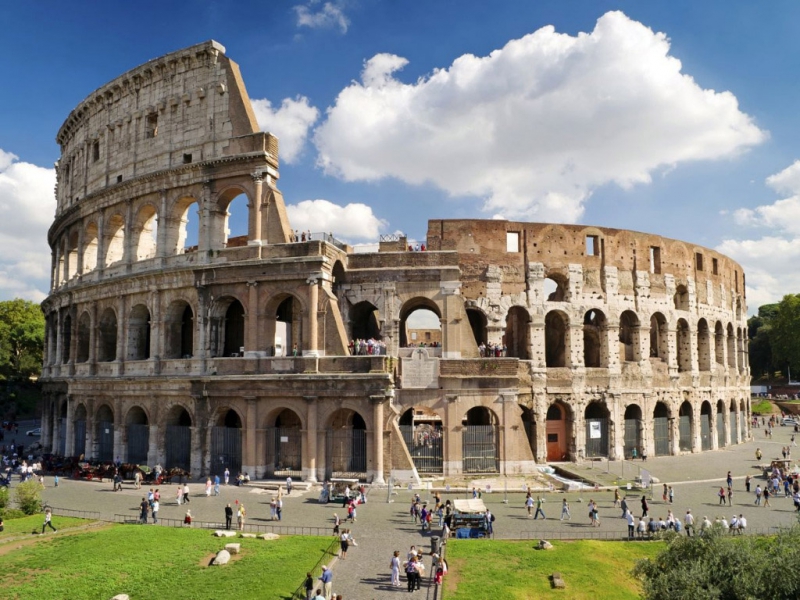
If any of you folks have plans to travel to Italy, here are some tips – maybe even RULES – that may be of some help.


First: Ladies, NEVER wear a TANK TOP to St. PETER’S…or shorts or anything skimpy for that matter. And men, no shorts for you either.

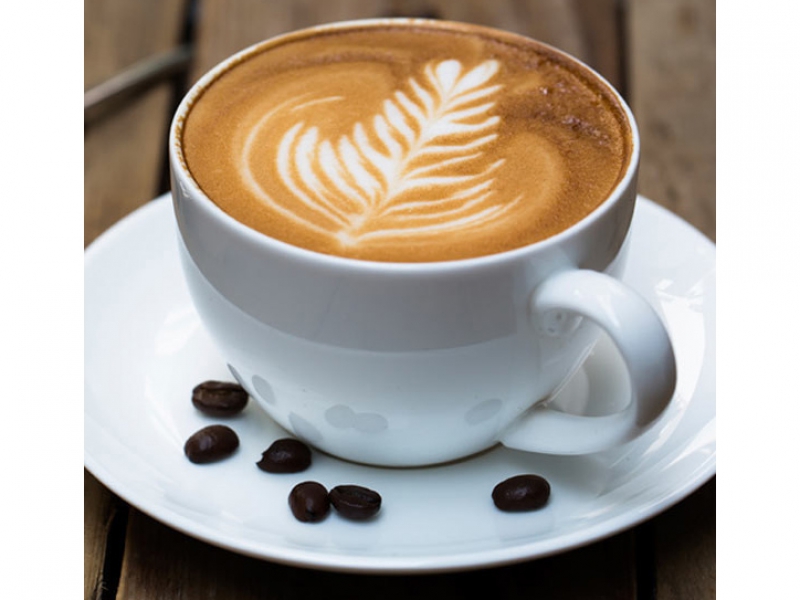
Second: In Italy, coffee etiquette is somewhat different than at Starbucks. Cappuccino is NOT to be consumed after noon. Because of its sweetness, it is considered a morning or breakfast drink, and legend has it that the reasoning not to indulge with lunch or dinner is that the milk in the cappuccino interferes with digestion. Hmmm….fact? Or a bunch of hooey?

And then there’s the bread, particularly in Rome and Florence: MORE RULES.

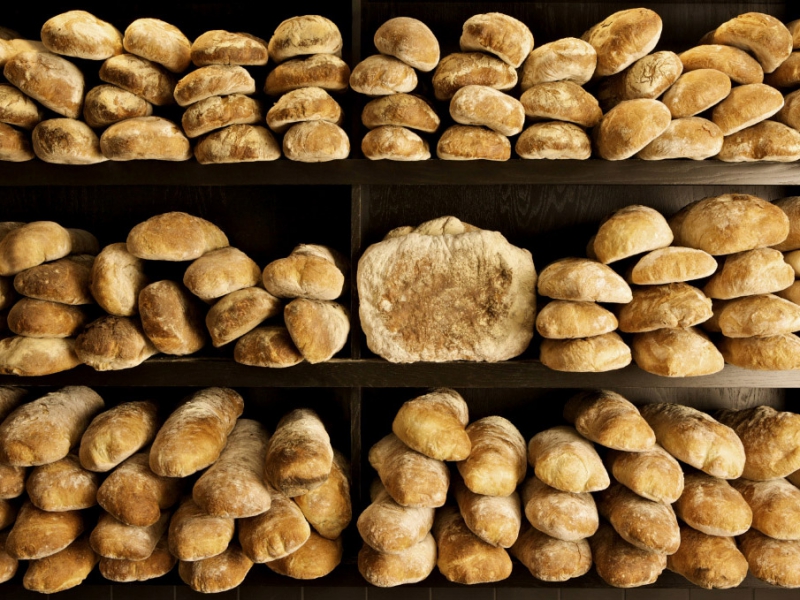
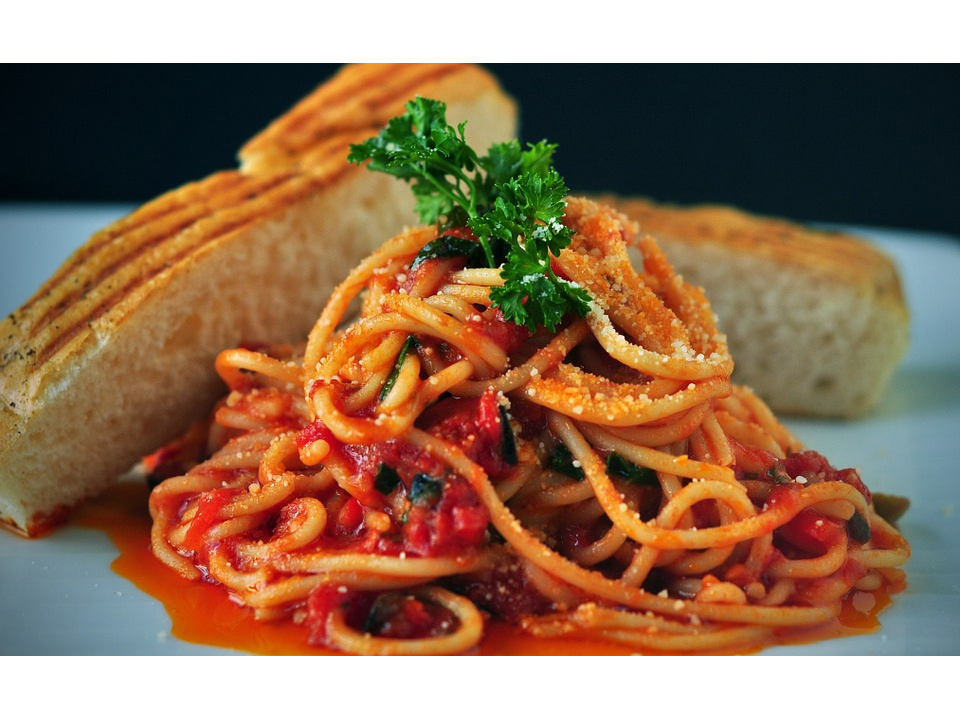
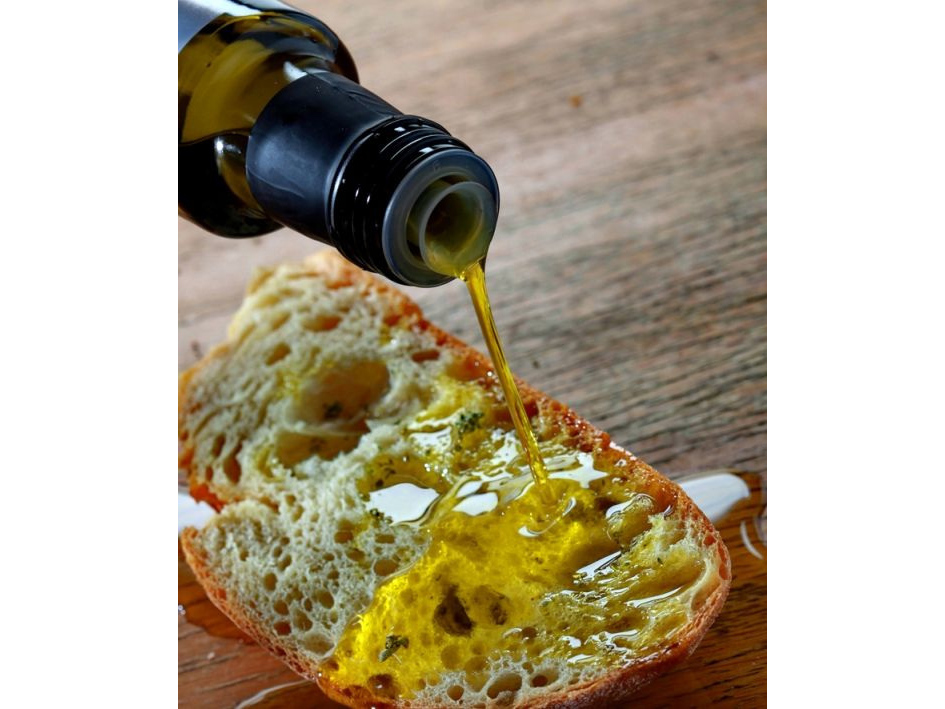
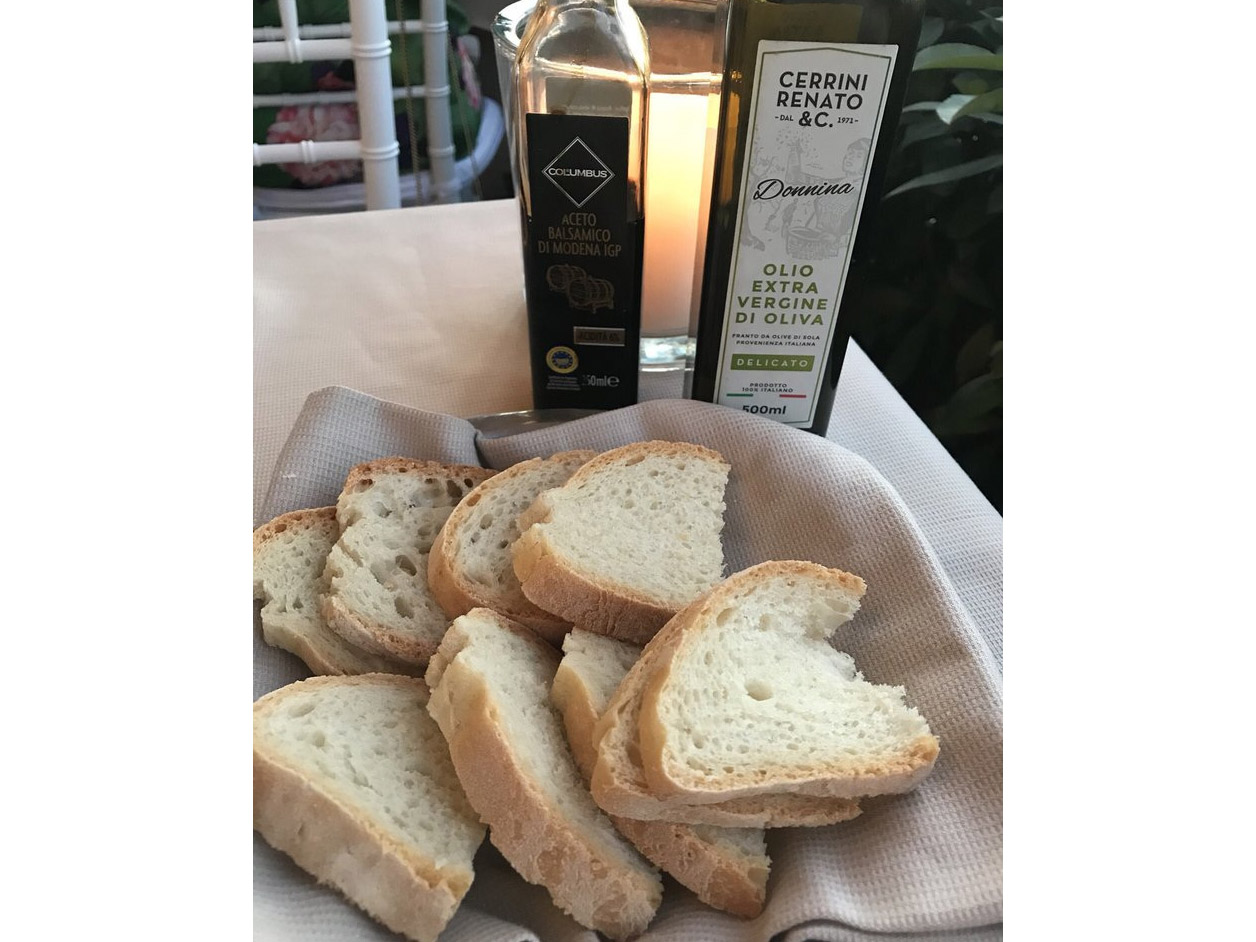
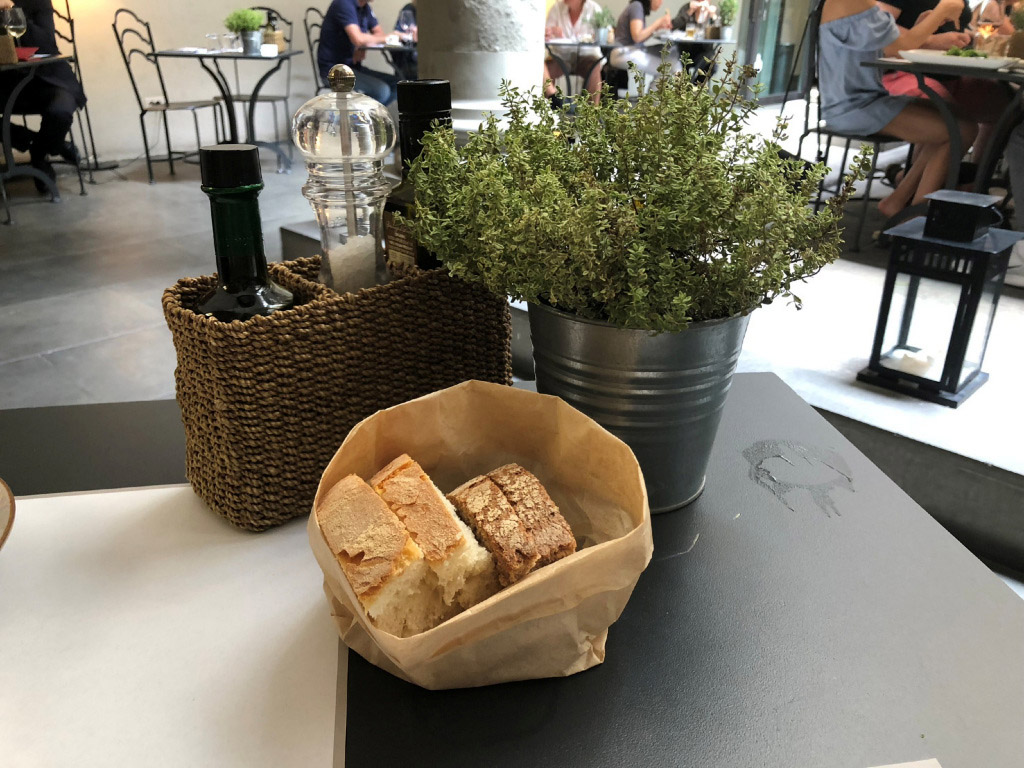
Bread is not a pre-meal snack. It’s okay with your antipasti and your secondi (main course). But never have bread with pasta. Starch with starch is a no-no (behave and you will avoid the dreaded sneer – and perhaps a nasty hand gesture). And remember, Italians consider it bad form to drizzle olive oil on your bread – and never, ever balsamic vinegar (However, just as way too many Italian restaurants have caved to American whims and wishes, may restaurants now automatically bring olive oil and vinegar with the bread service).

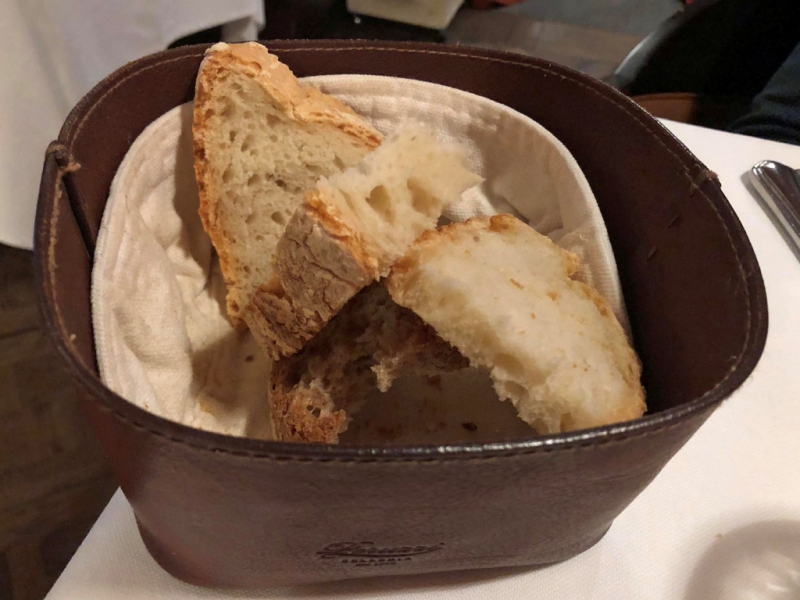
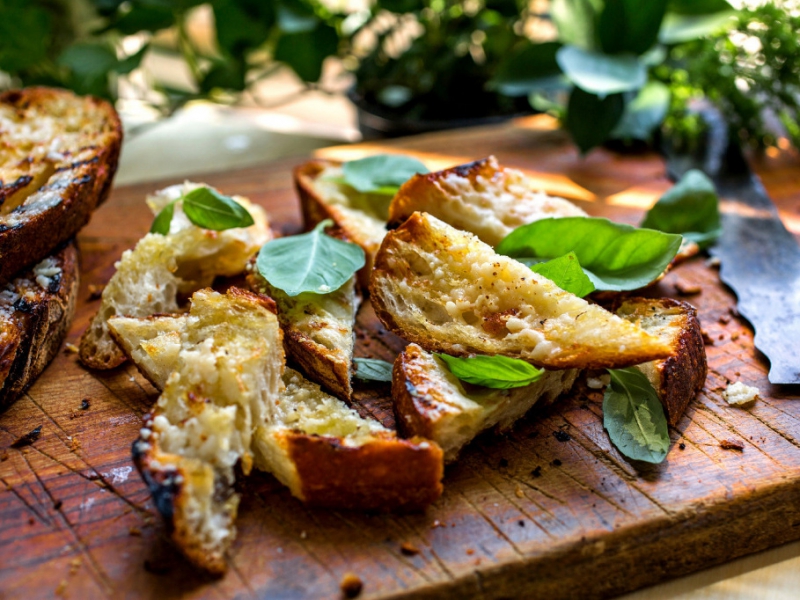
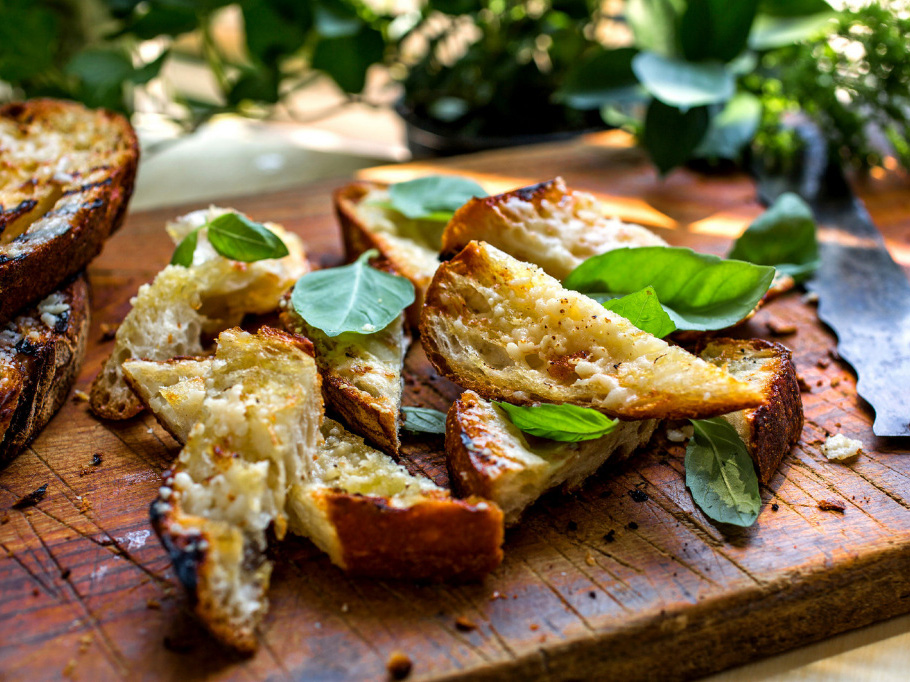
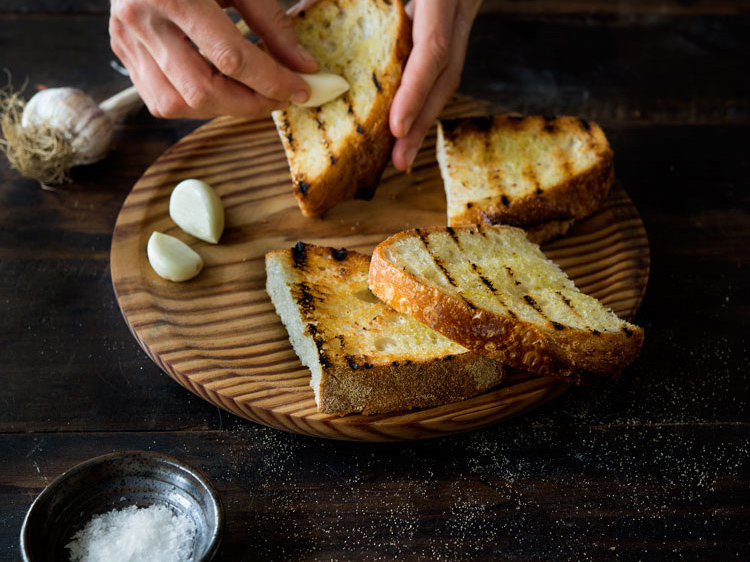
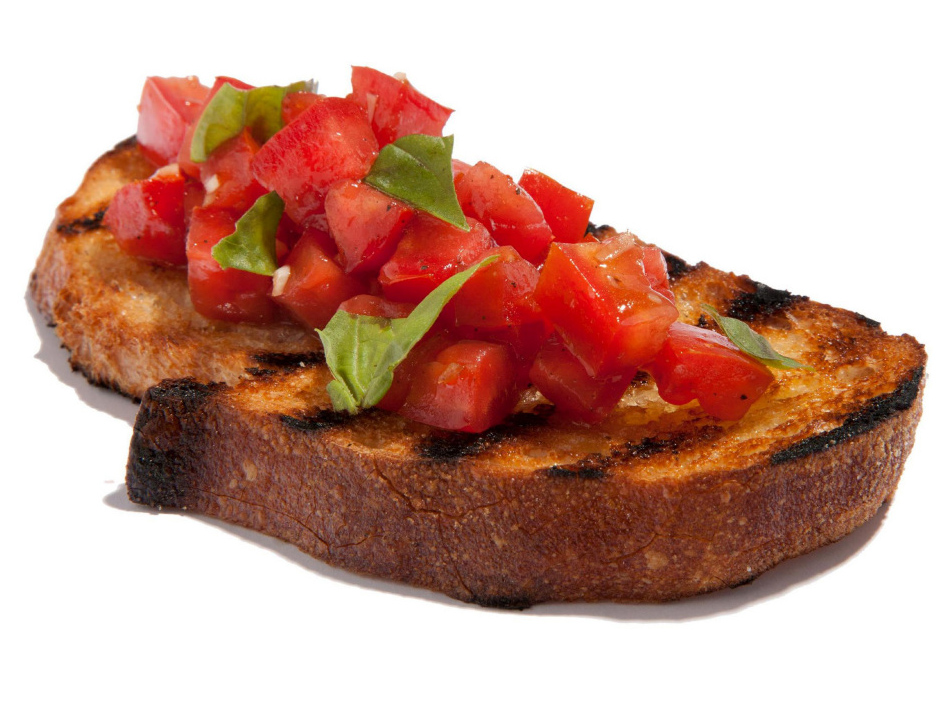
But there are some exceptions. If the bread has been grilled in the kitchen and seasoned with fresh herbs and olive oil, well, that’s okay because now the toasted bread is considered to be an antipasto or appetizer. Go figure.

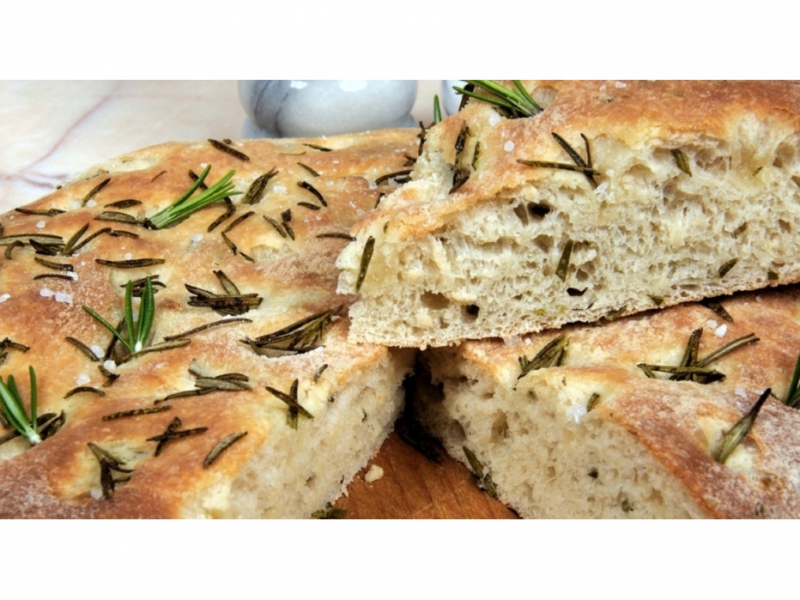
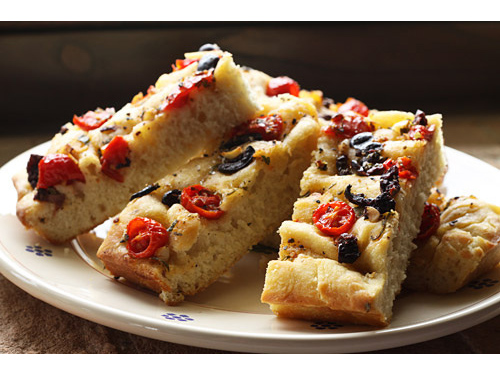
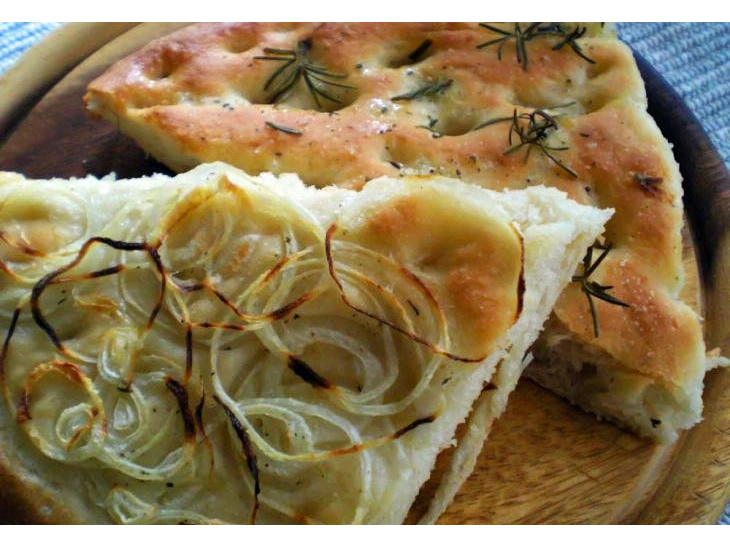
And if the bread service is FOCACCIA, then that’s okay, too – especially if it has fresh herbs or is topped with something like sauteed onions, tomatoes….or, as is often the case in Tuscany, chicken livers. That’s all considered antipasti.

Bread tends to be somewhat regional in Italy, although many breads from around the country are similar and often strike me as a distinction without a difference.

But not all…..

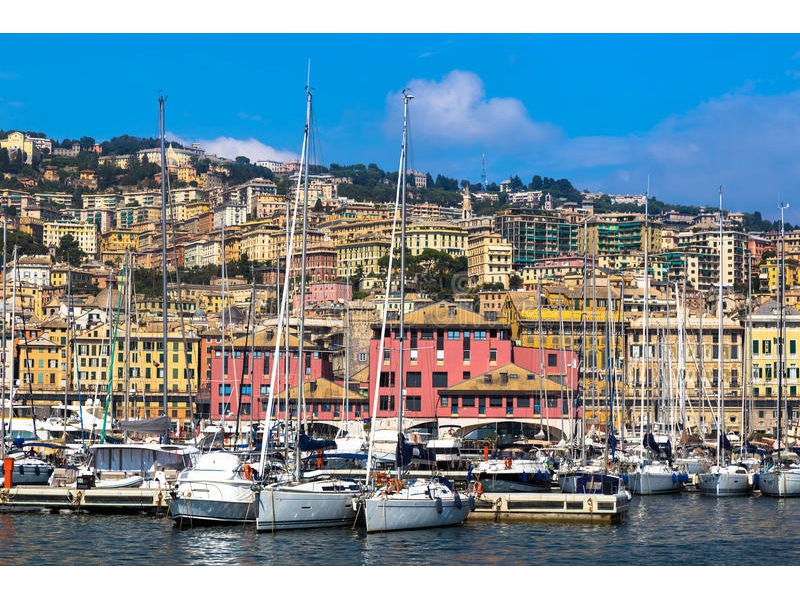
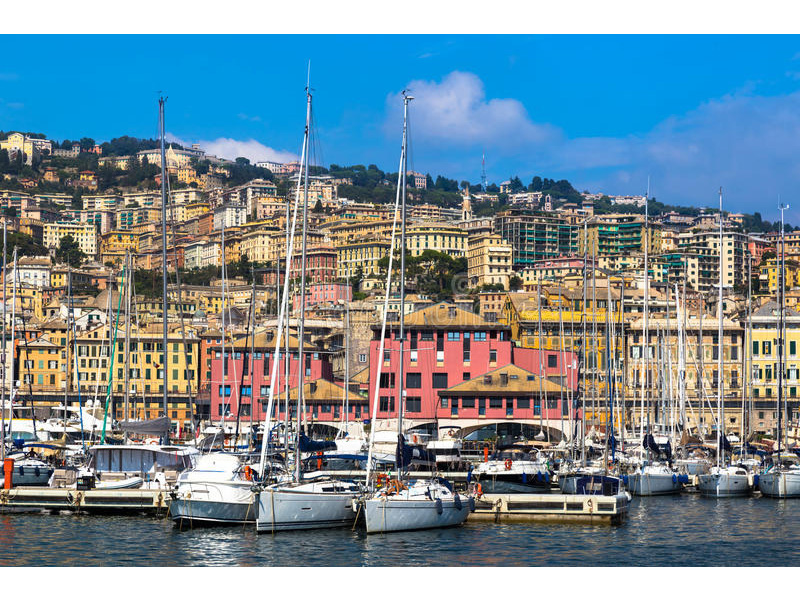
Genoa is known for FOCACCIA GENOVESE, which in addition to often being drizzled with just olive oil and sprinkled with sea salt and fresh rosemary, often comes topped with caramelized onions. YUM!


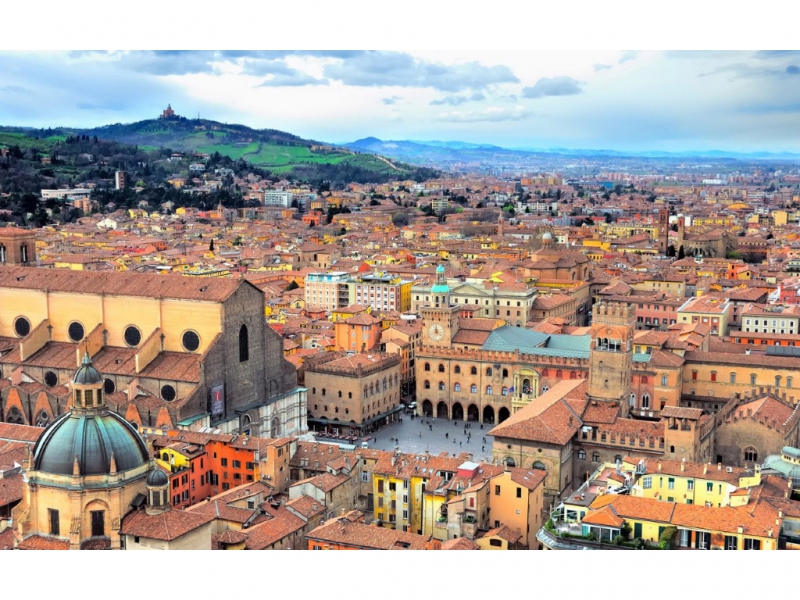
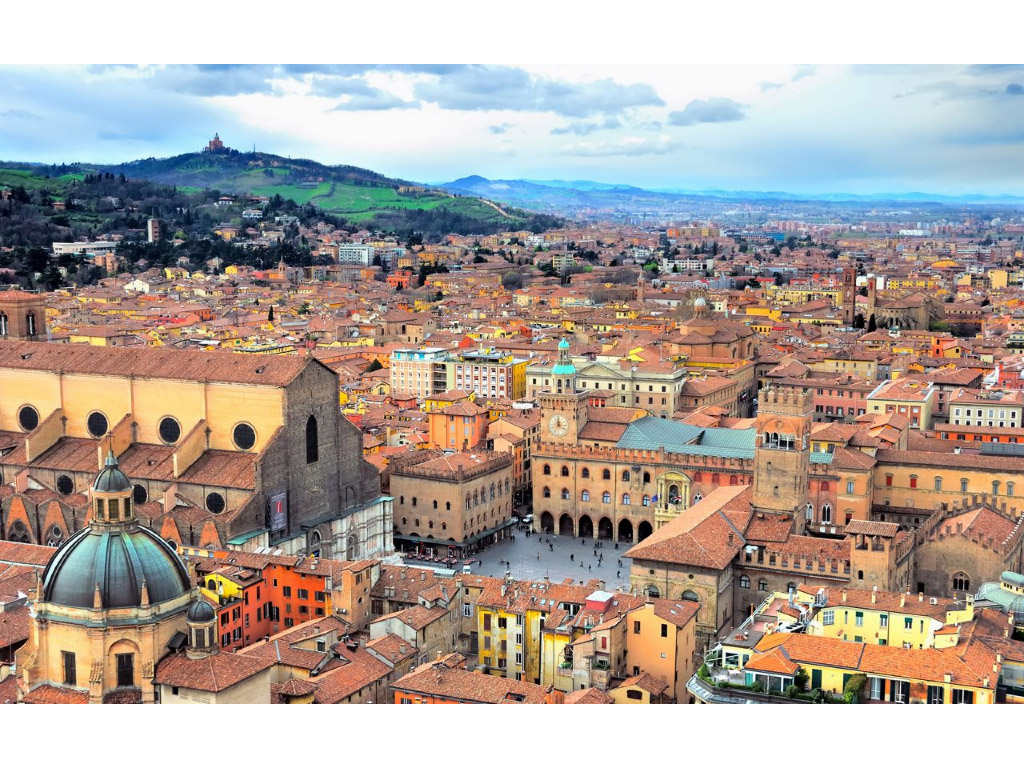
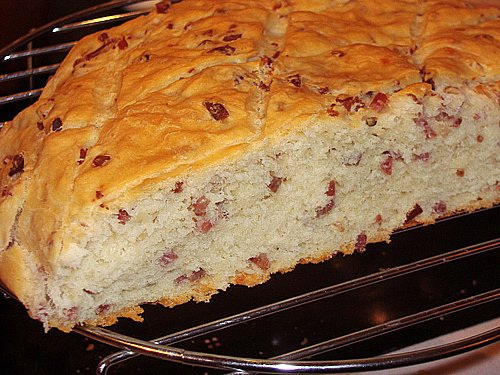
Bologna is known for lacing their breads with bits of Parma ham and pork sausage.

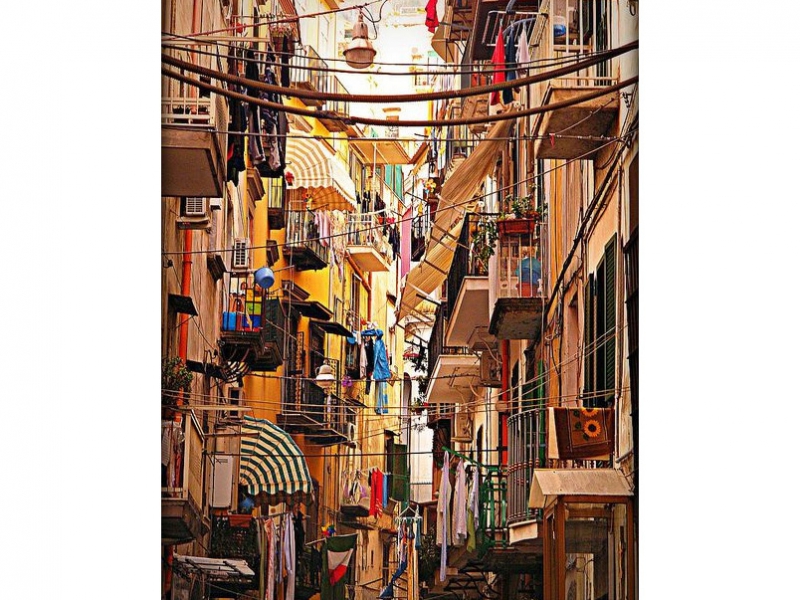
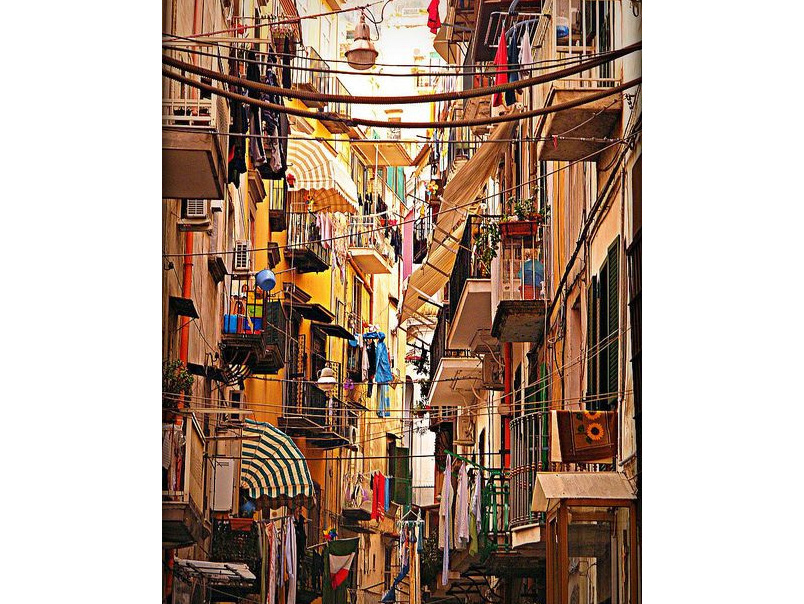
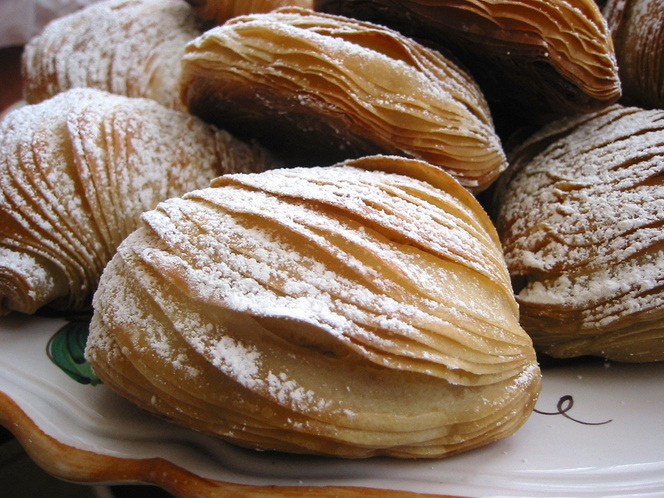
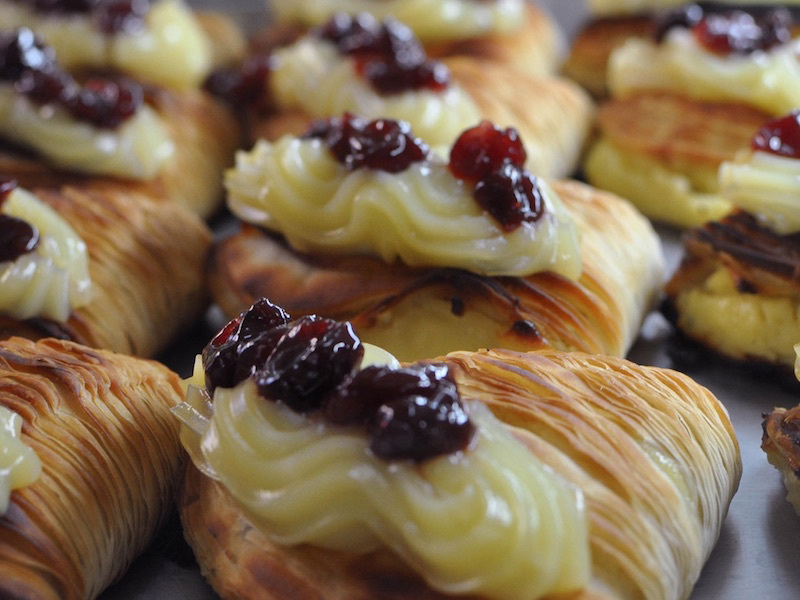
Further south in Naples, sweetness prevails. Yes, they do produce a version of sourdough, but the main stuff that dominates the pasticcerias or panetterias (bakeries) tend to be sweets and treats – the most popular being SFOGLIATELLAS that are stuffed with sweet cream and cherries.

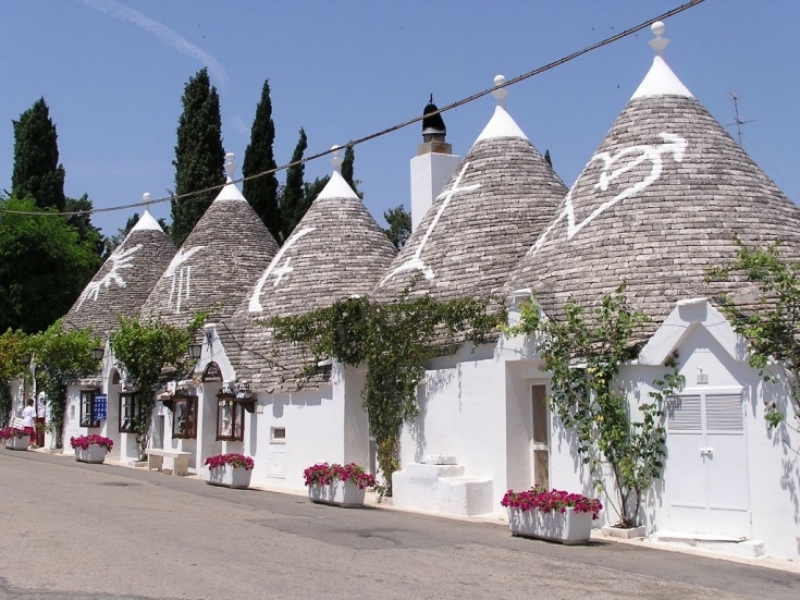
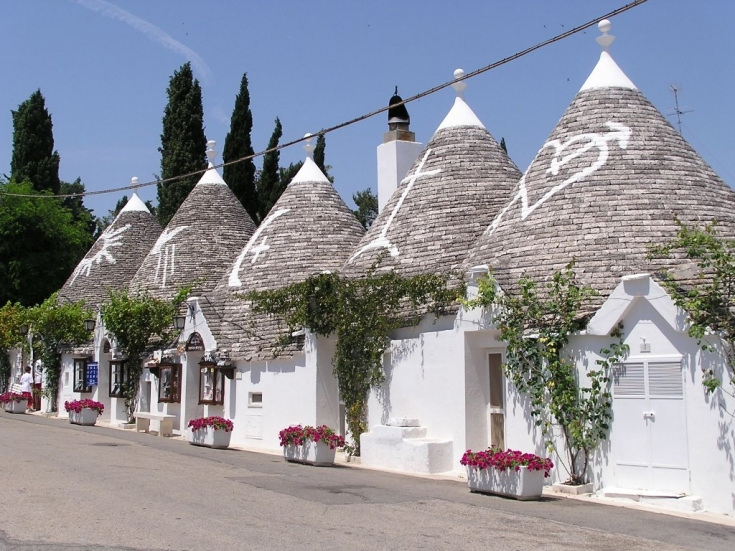
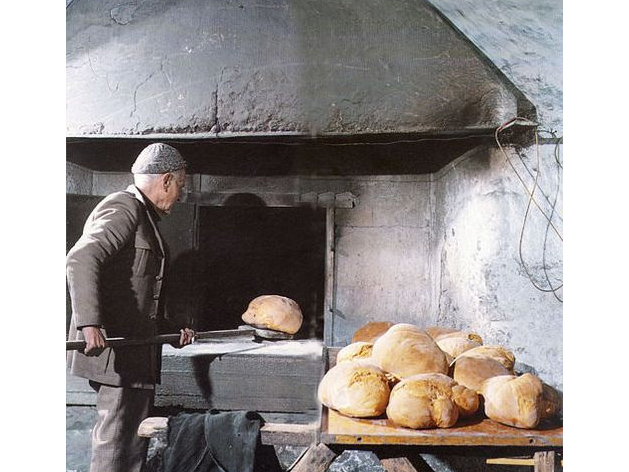
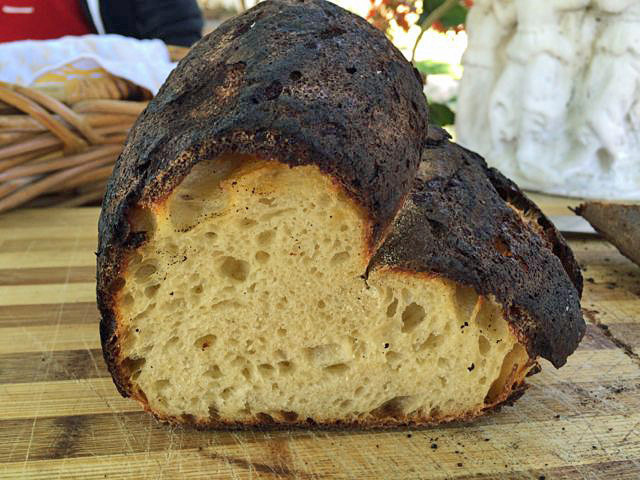
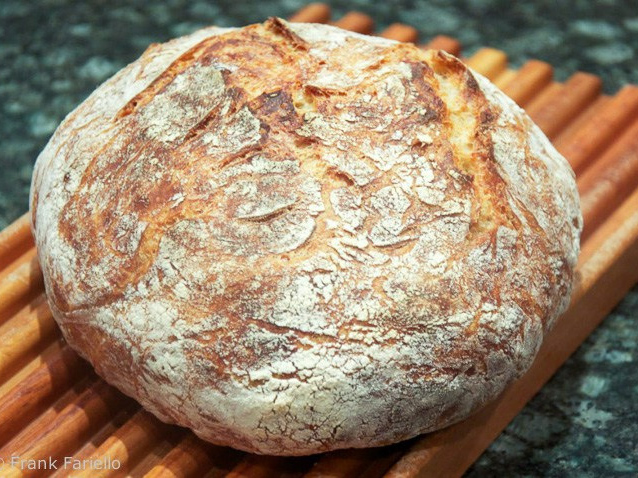
On the other side if Italy, in Puglia, the “go-to” bread is called ALTAMURA….a one kilo (2.2 pounds) Flintstonian hunk of dough baked in wood-fired ovens. It has the reputation of having a two-week shelf life. Puglia does other interesting breads as well, including PANE CON OLIVA (olive bread, sometimes incorporating nuts or fennel).

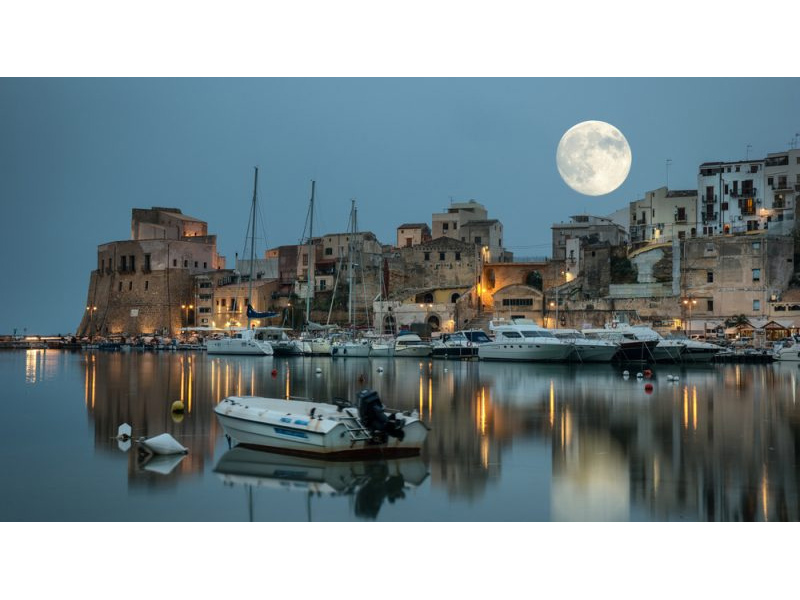
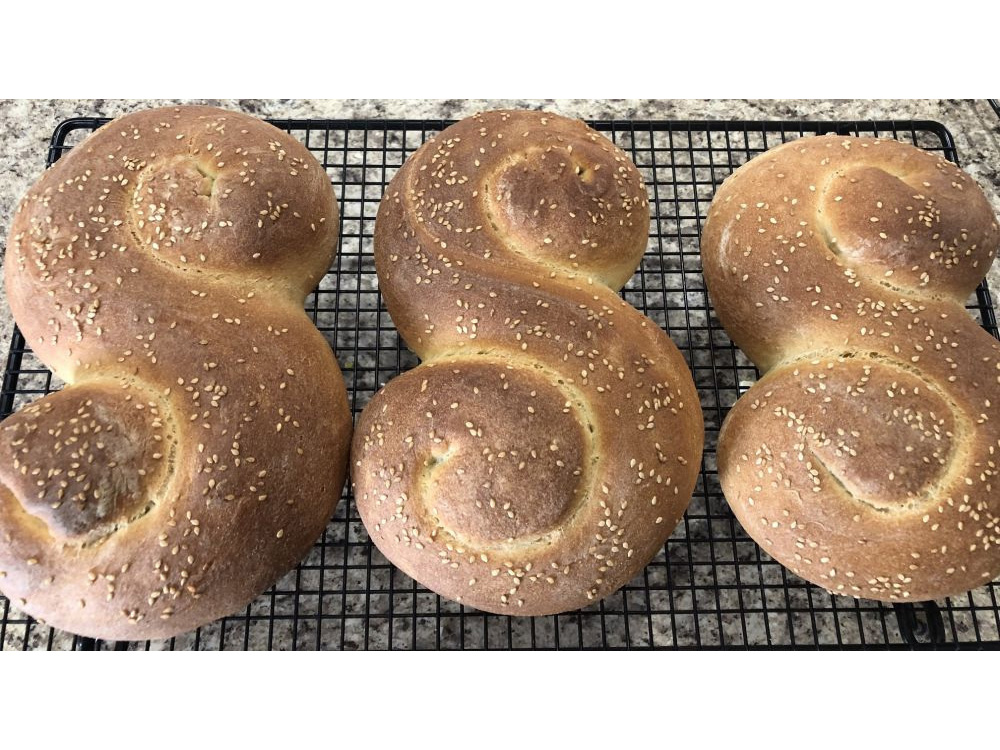
Finally in Palermo, Sicily, the north African influence is felt as the Sicilians top several of their breads with sesame seeds…and they add a little honey. Some of their breads are fashioned in the form of an “S.”

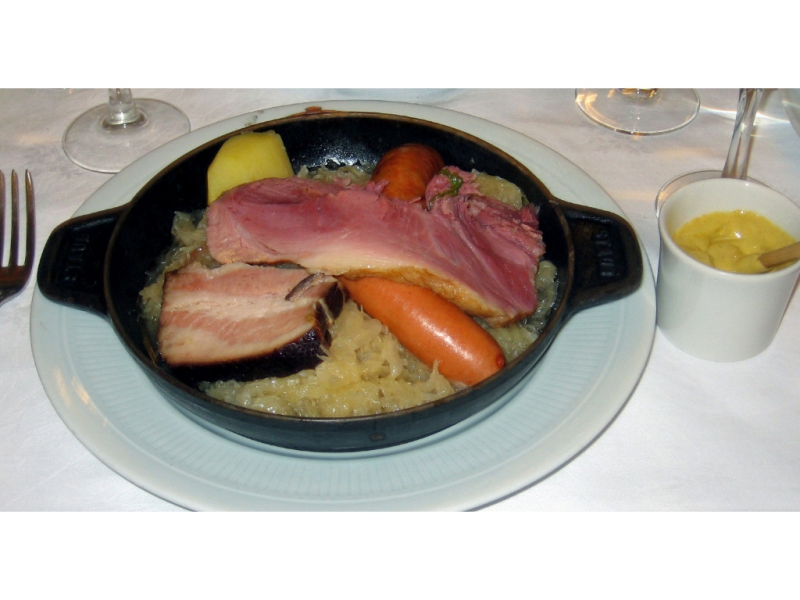
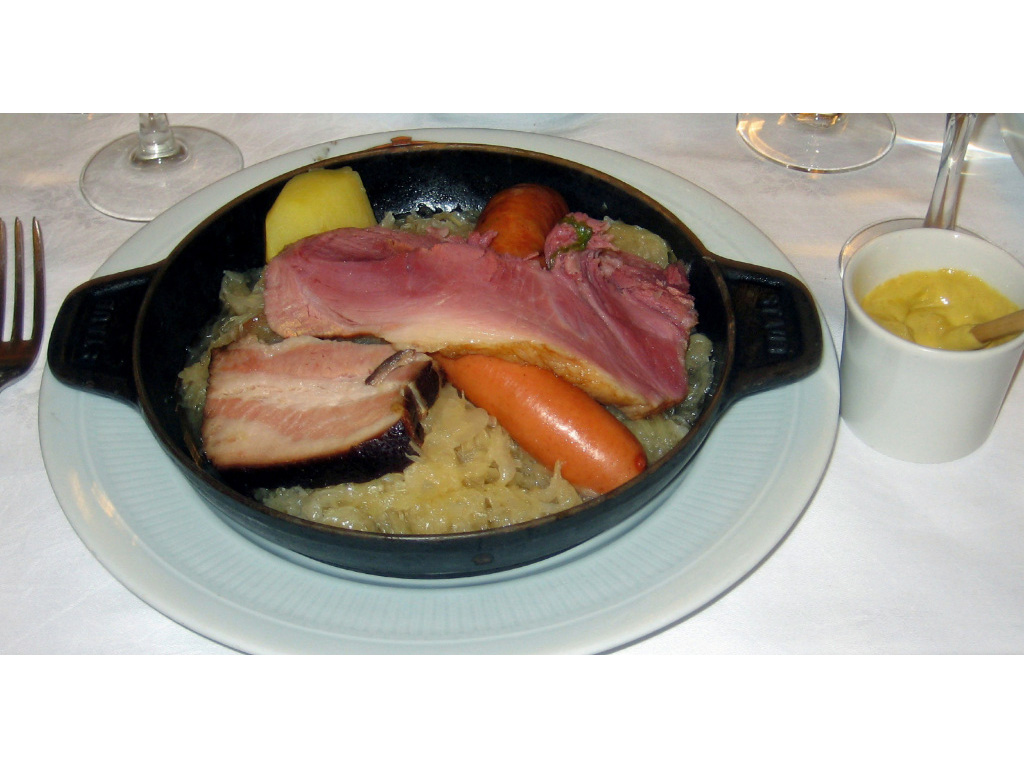
Last month, we spent some time in Munich before taking the train across the Alps on our trip down to Rome. The purpose was to explore some German restaurants and dishes….particularly CHOUCROUTE and APPLE STRUDEL for an upcoming SALUT September that will feature dishes from ALSACE LORRAINE….the FRENCH/GERMAN influenced region on the border.
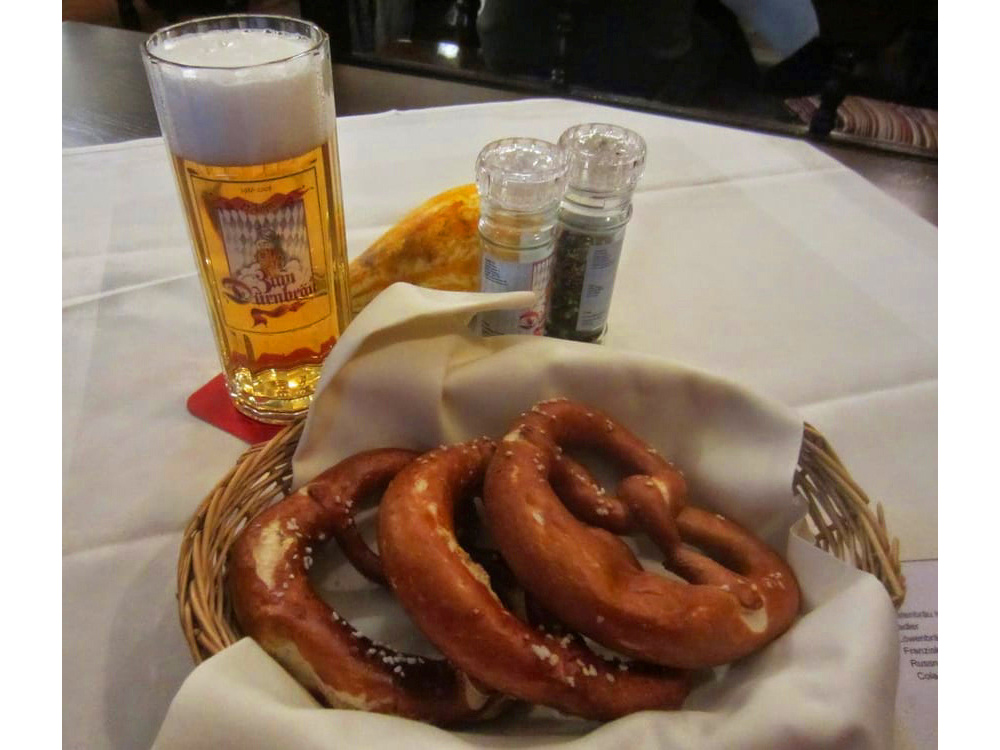
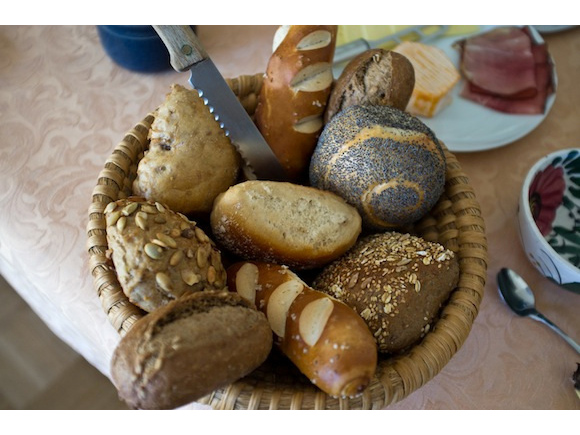
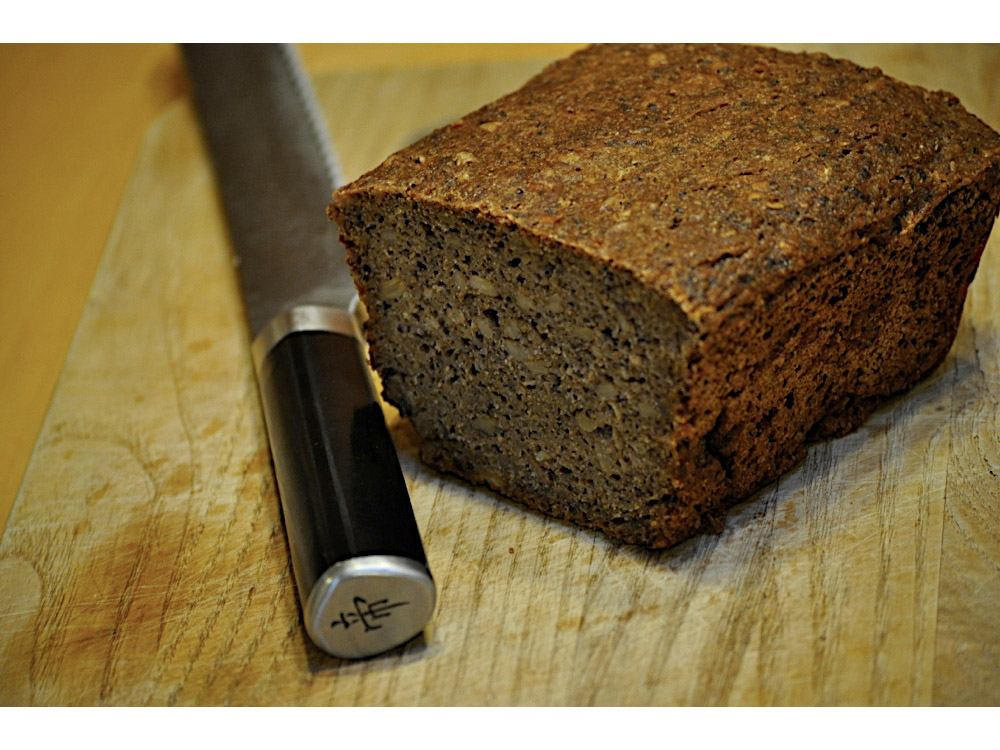
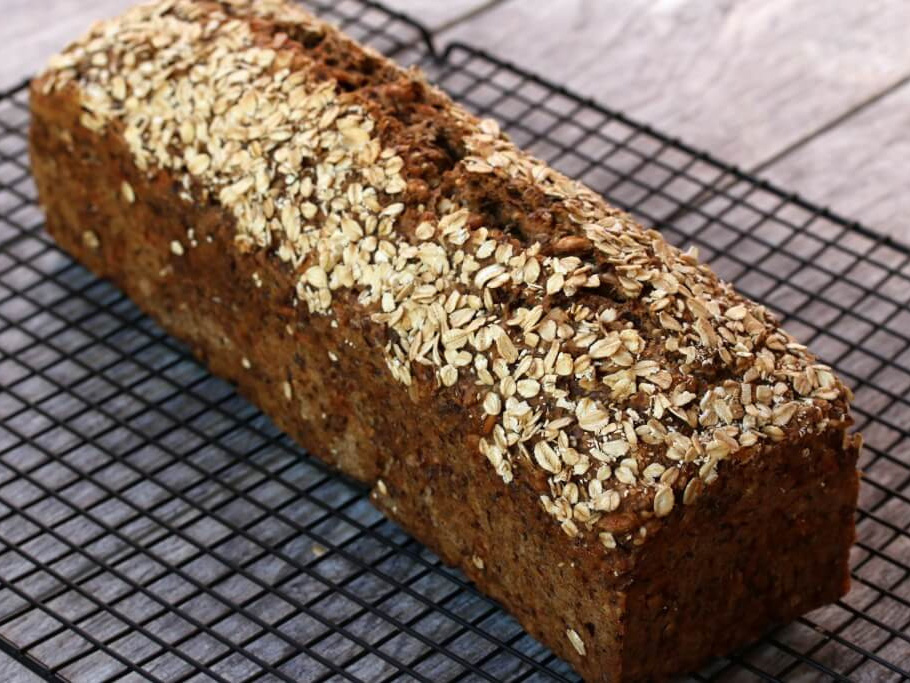
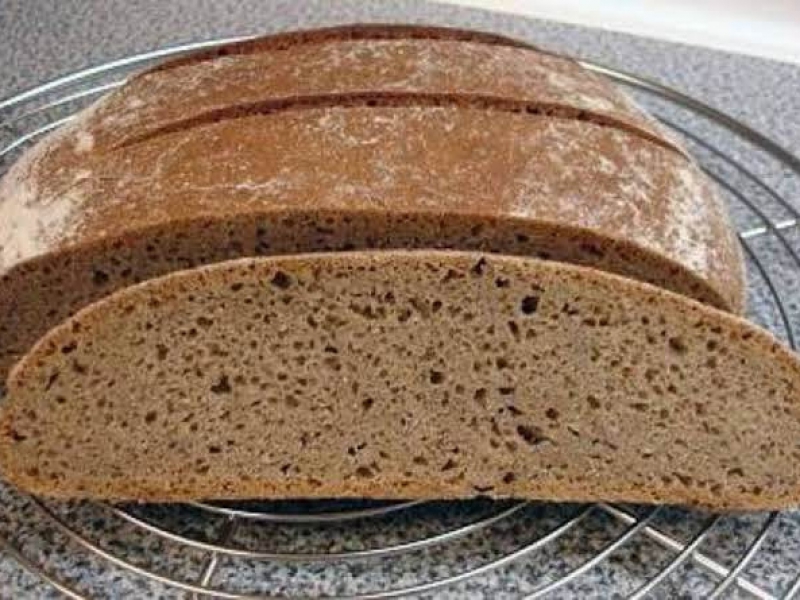
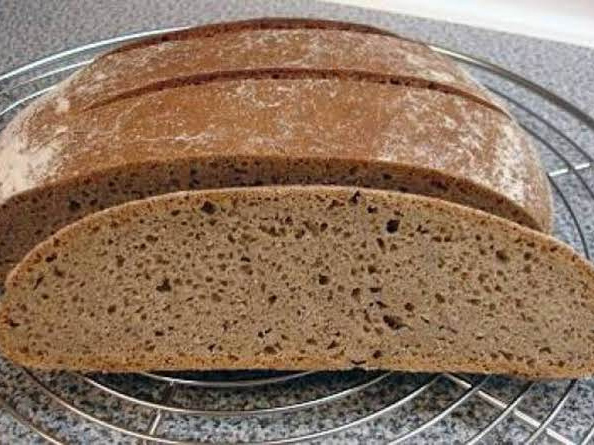
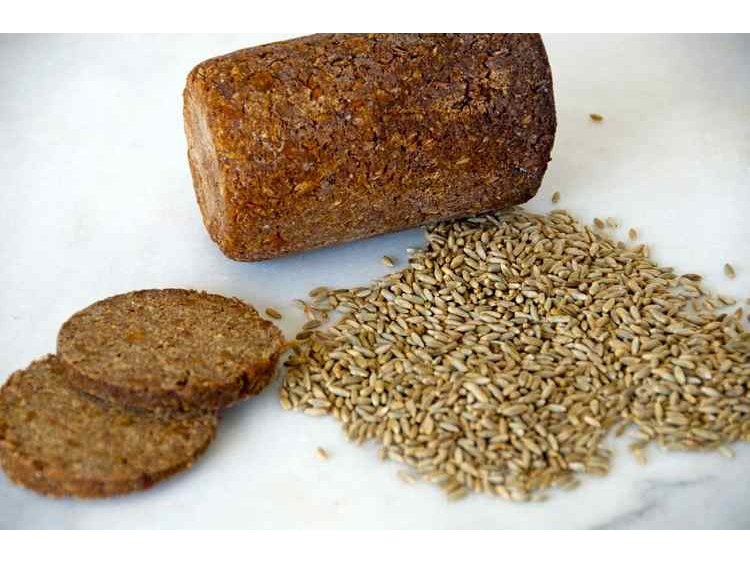
And no surprise, the Bavarian breads are often pretzels, but the preponderance of them are dark, dense, heavy, seedy and incredibly favorable, like Roggenbrot (German rye with caraway seeds) and Westphalian Pumpernickel, which is slowly baked for 12 – 16 hours. The chemical reaction called “maillard” that occurs when baking causes the Pumpernickel to turn dark brown, almost black (American Pumpernickel contains molasses and is not nearly as good. Genuine Pumpernickel is the most German of all breads.)

In my opinion, the breads from the northern European countries are better than those from their southern neighbors, probably due to the fact that wheat does not do particularly well in cold climates and consequently flours are made from coarsely ground grains like rye berries, spelt and einkorn berries.

So now, dear readers I am about to slay a SACRED COW.

And it is this: Contrary to conventional wisdom, bread in Rome and Florence just isn’t very good. In fact I’d characterize the bread in Florence as terrible.

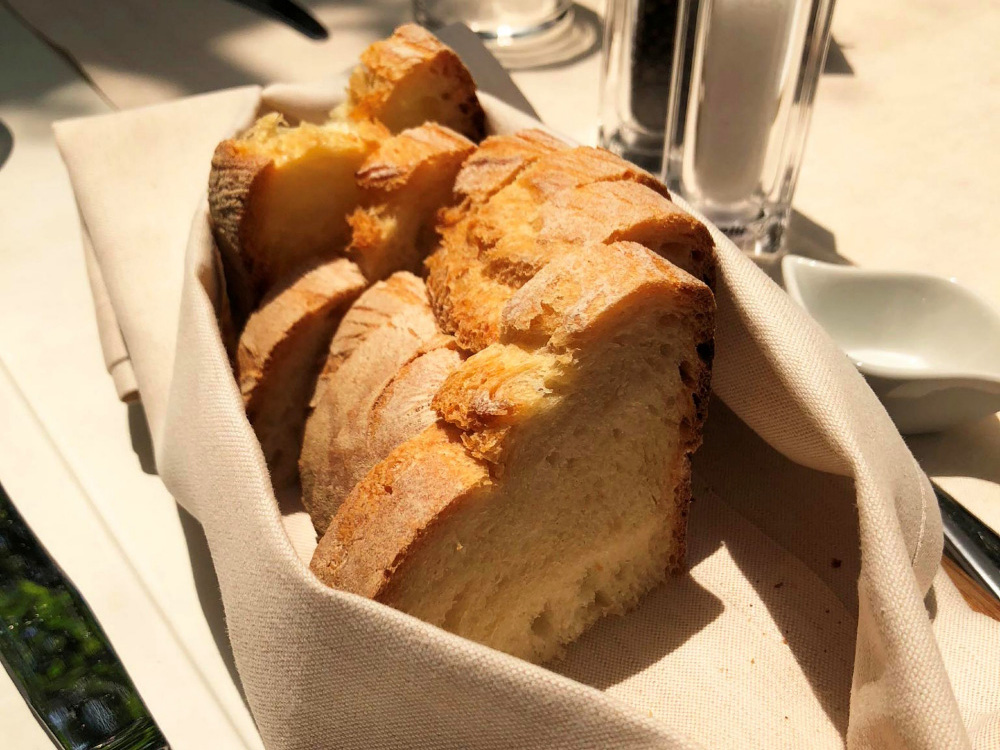
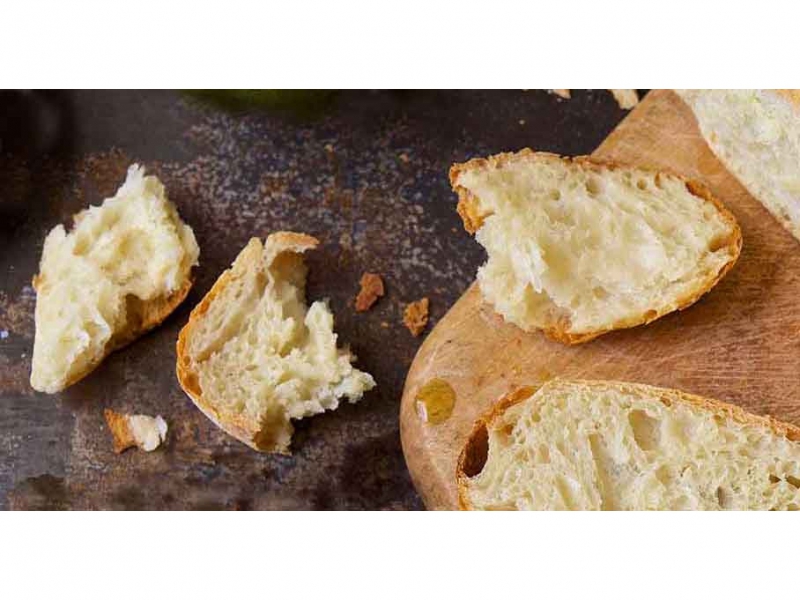
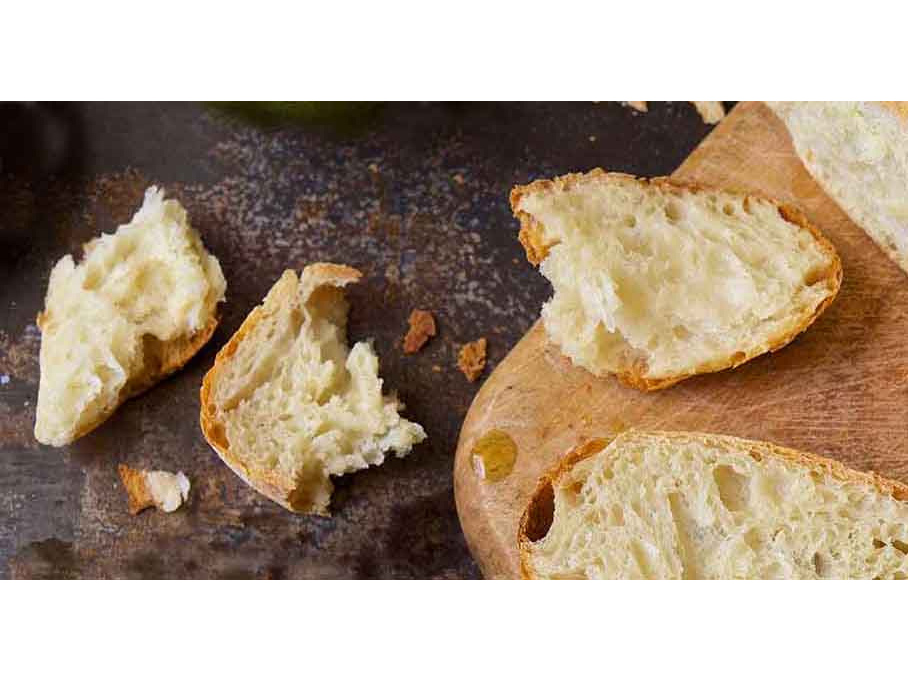
In Rome, the popular bread is called CASARECCIO. It’s a large round loaf made with only white flour, water, yeast and a big pinch of salt. It’s crusty on the outside and spongy soft on the inside. The flavor is utterly unremarkable.


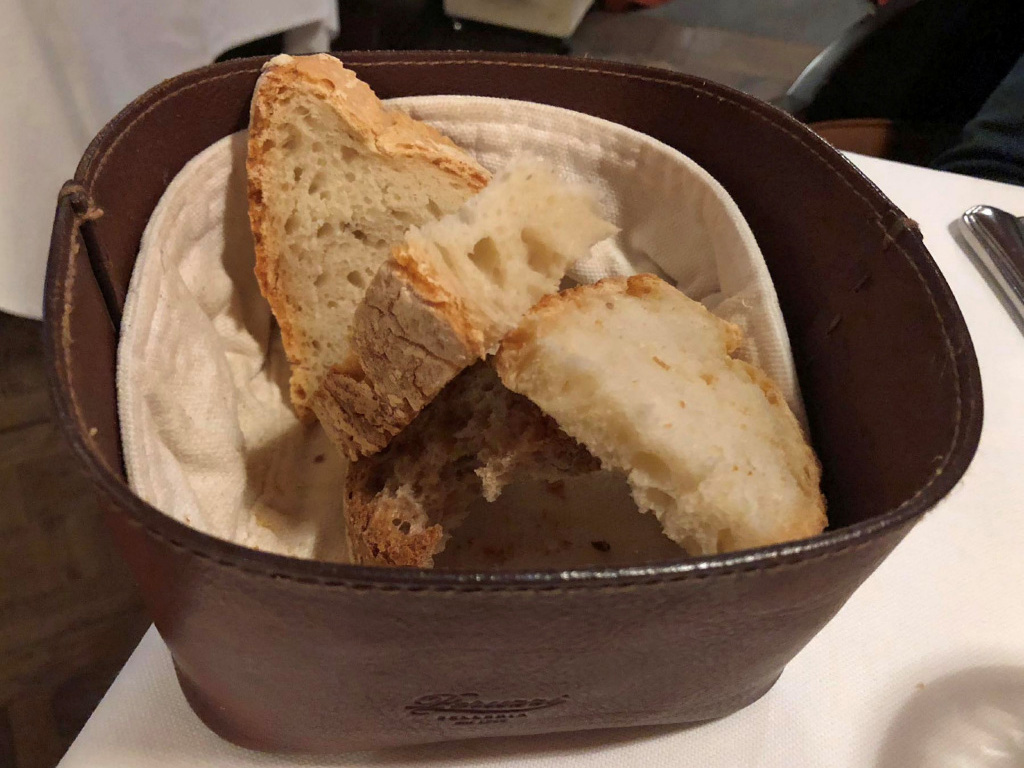
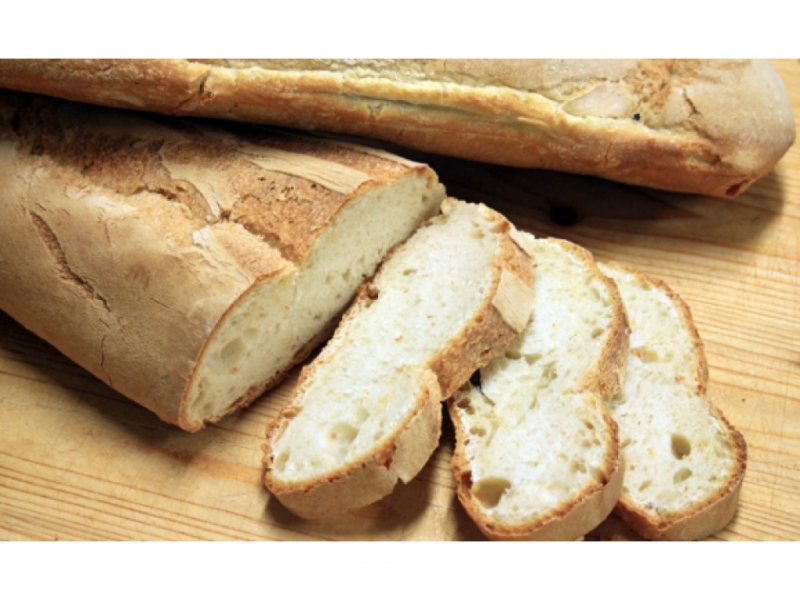
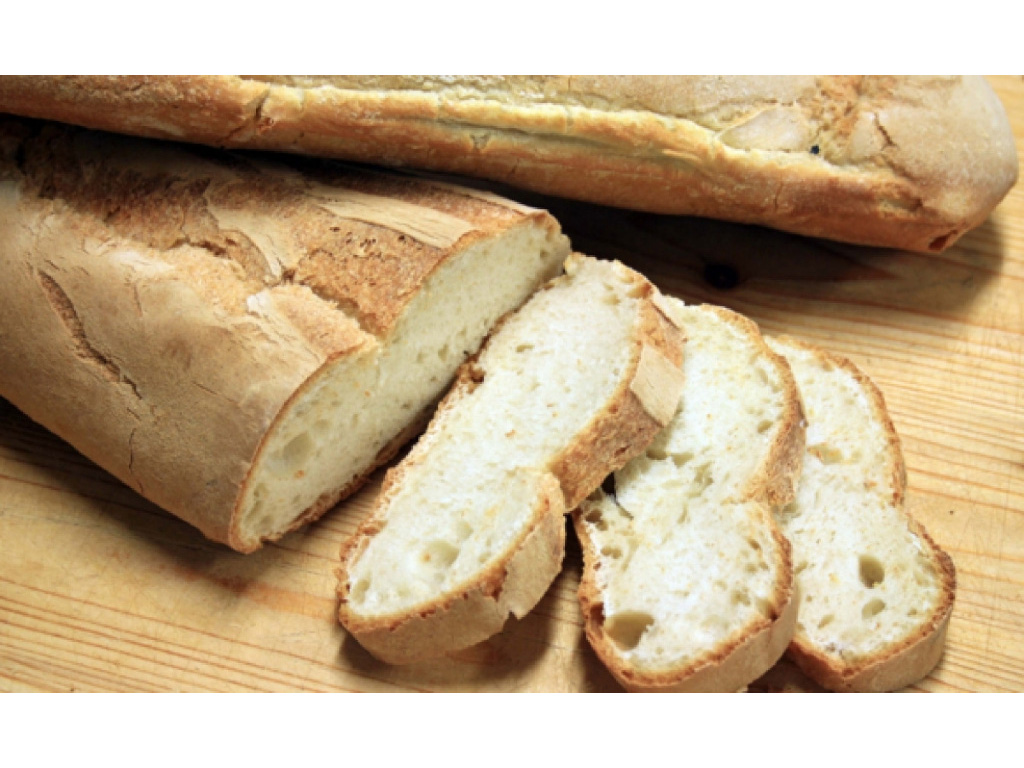
Florence is another matter entirely. I find the bread there to be dry, tasteless and bland. Think styrofoam or cardboard…take your pick.

Why, why? With everything else in Florence and throughout Tuscany so good why on earth would they serve innocuous bread ?

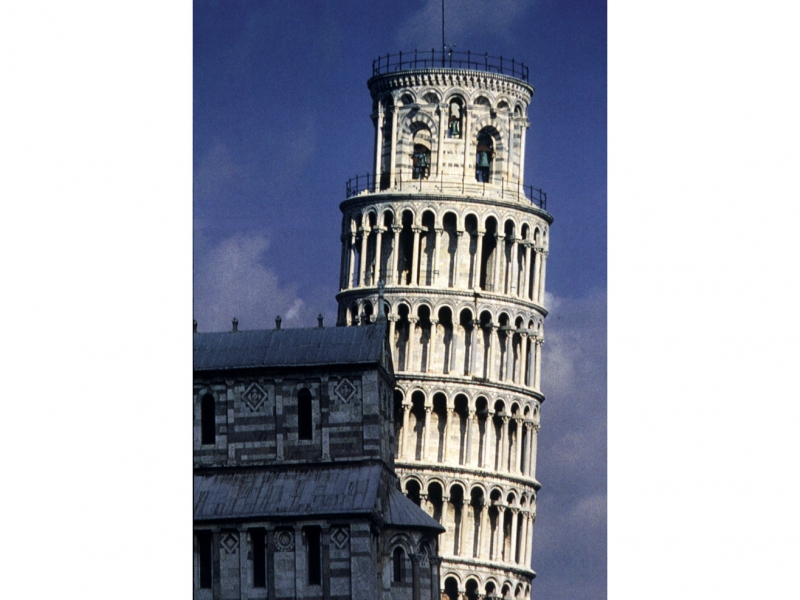
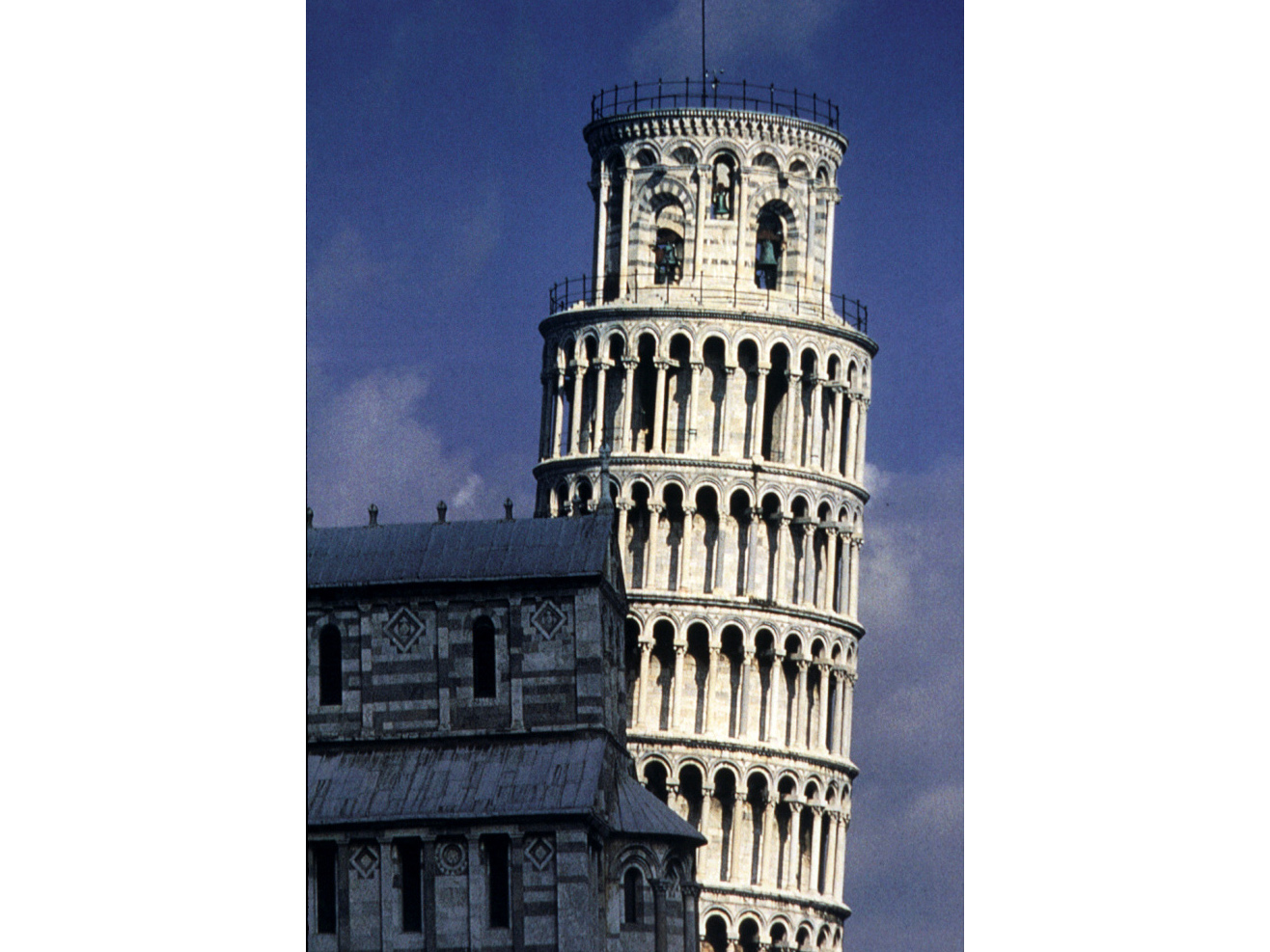
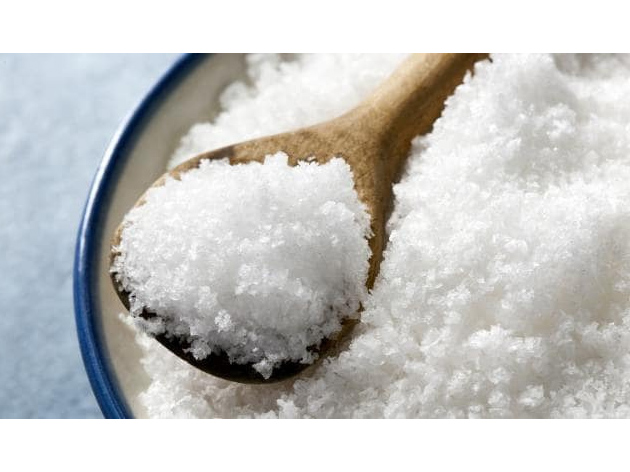
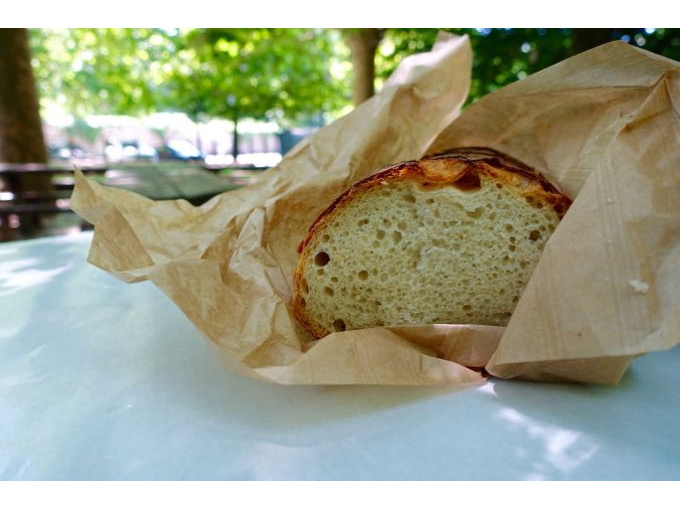
Well, there may be an answer. Some have said that Tuscan cuisine is so rich that there needs to be a counterpoint. A more widely heard explanation has to do with the rivalry between Florence and Pisa hundreds of years ago. At that time SALT was like currency and Pisa, being a seaport city, blockaded the Arno river and did not allow any of the precious commodity to reach Florence. Rather than succumb, Florence may have said “screw you, Pisa” and made their bread without salt. To this day, the PANE TOSCANA (Florentine bread) is made without salt…and without flavor or character. Even the Florentines drizzle olive oil on their bread and salt the hell out of it.

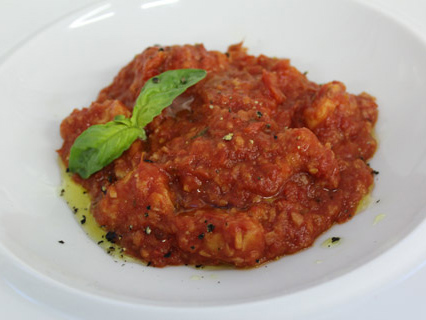
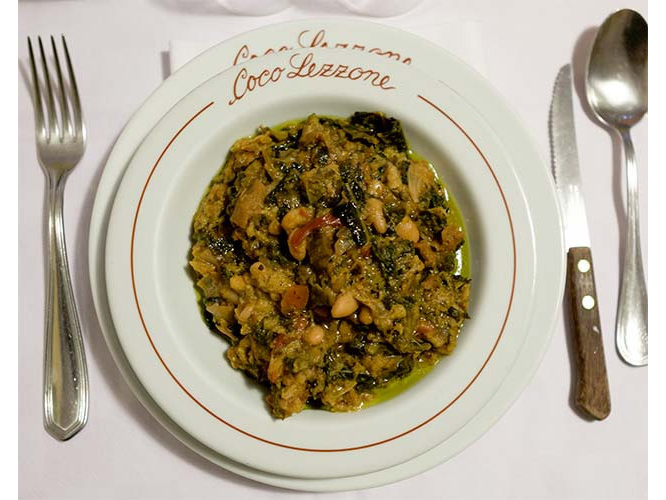
It turns out that Florentine bread has no shelf life at all. But no problem. Restaurants do not throw away old bread. The genius of Tuscan cooking has caused the creation of two wonderful and iconic Florentine dishes made with stale bread: PAPPA AL POMODORO (tomato/bread soup) and RIBOLLITA (cannelini bean, vegetable and bread soup), both thick and delicious, and both meant to be eaten with a fork.
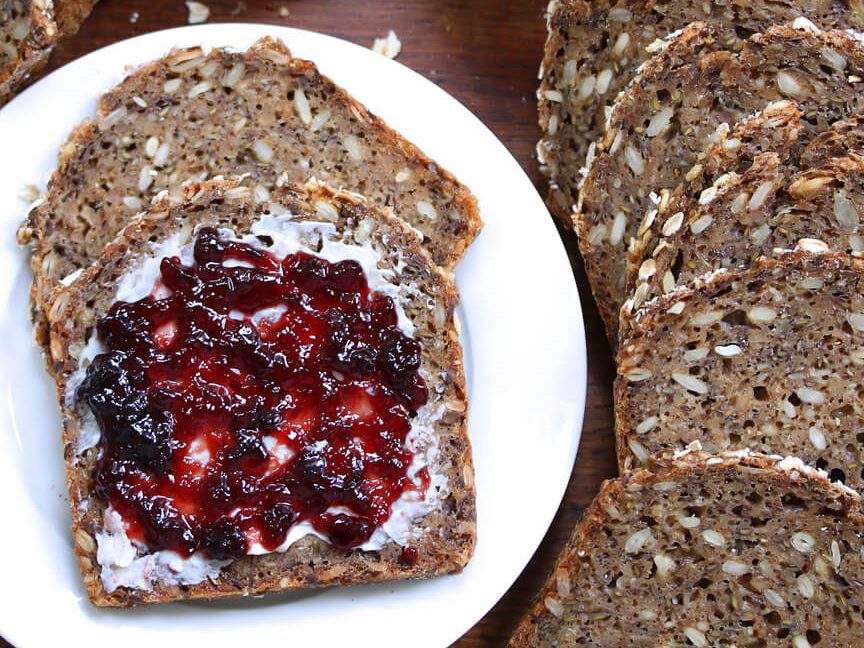
So there you are folks….

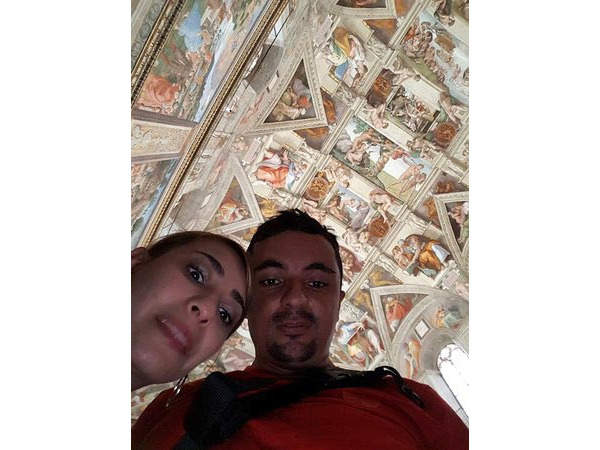
Remember…NEVER eat bread with pasta! And NEVER take a “SELFIE” in the SISTINE CHAPEL.


W.T.F.

NEXT STOP – NOW LAST STOP: LES SABLONS

Serendipity is defined as ” the occurrence of events that happen by chance, in a happy or beneficial way.”


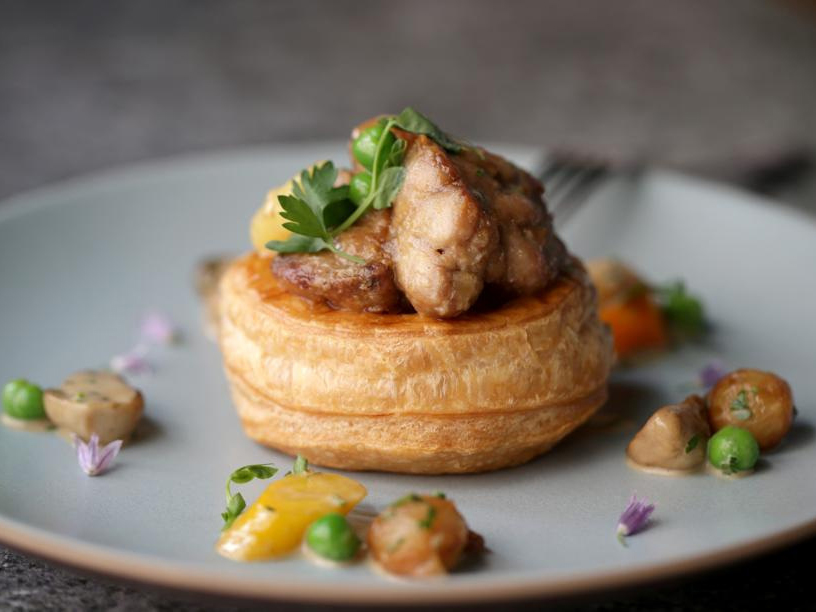
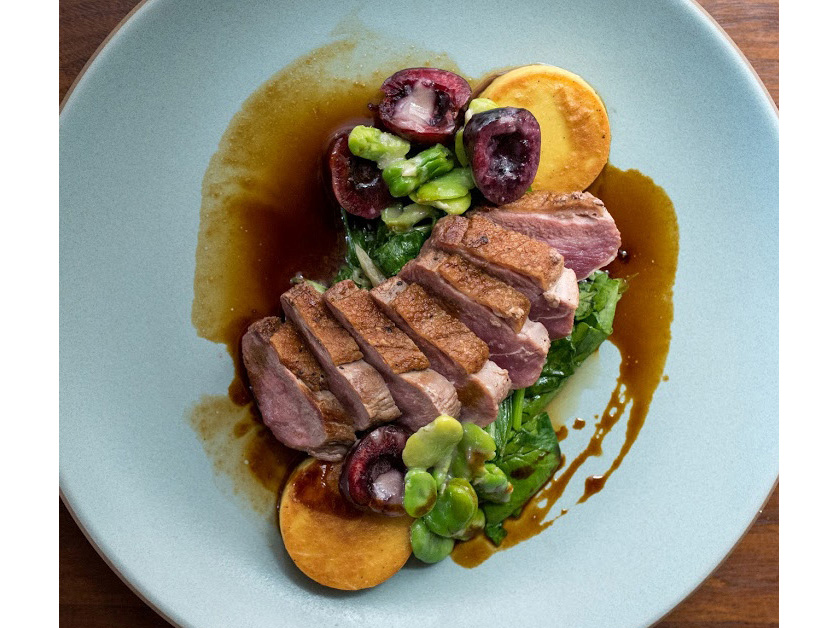
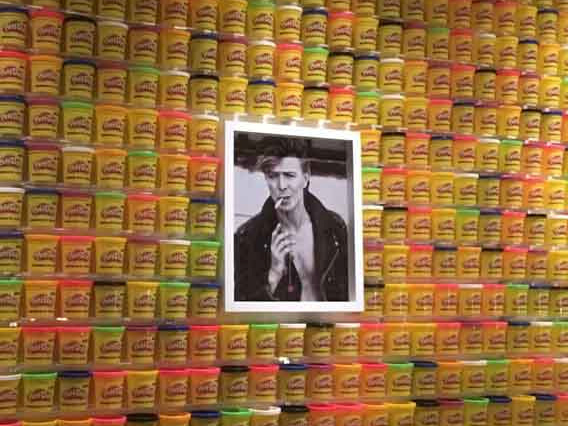
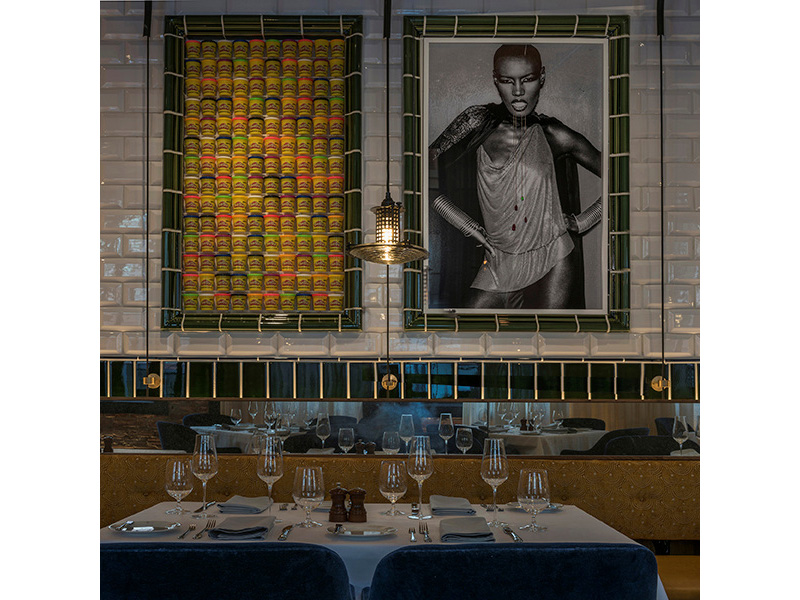
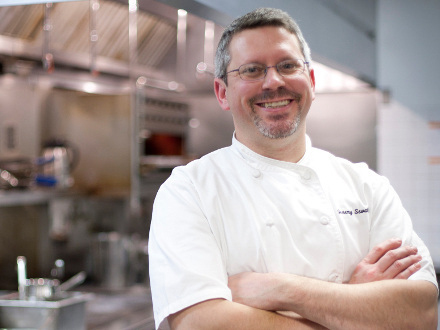
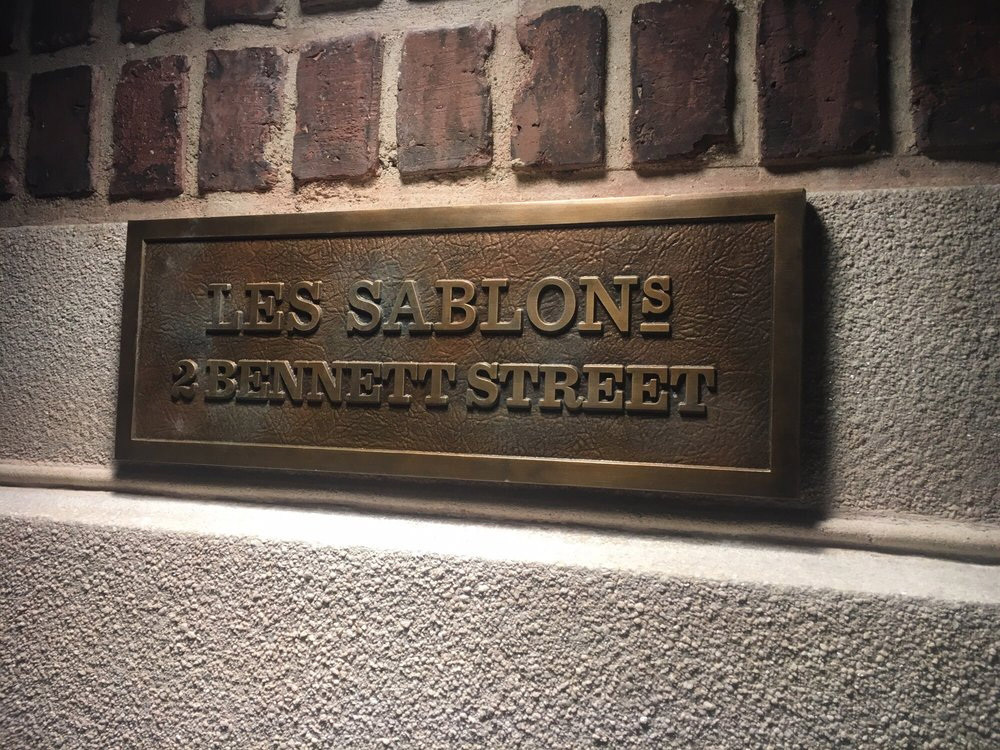
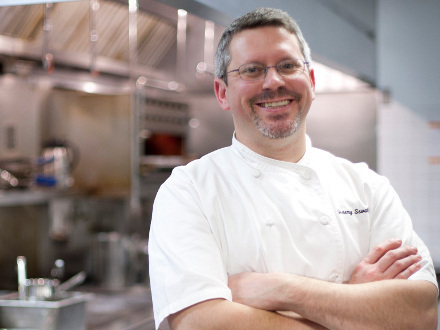
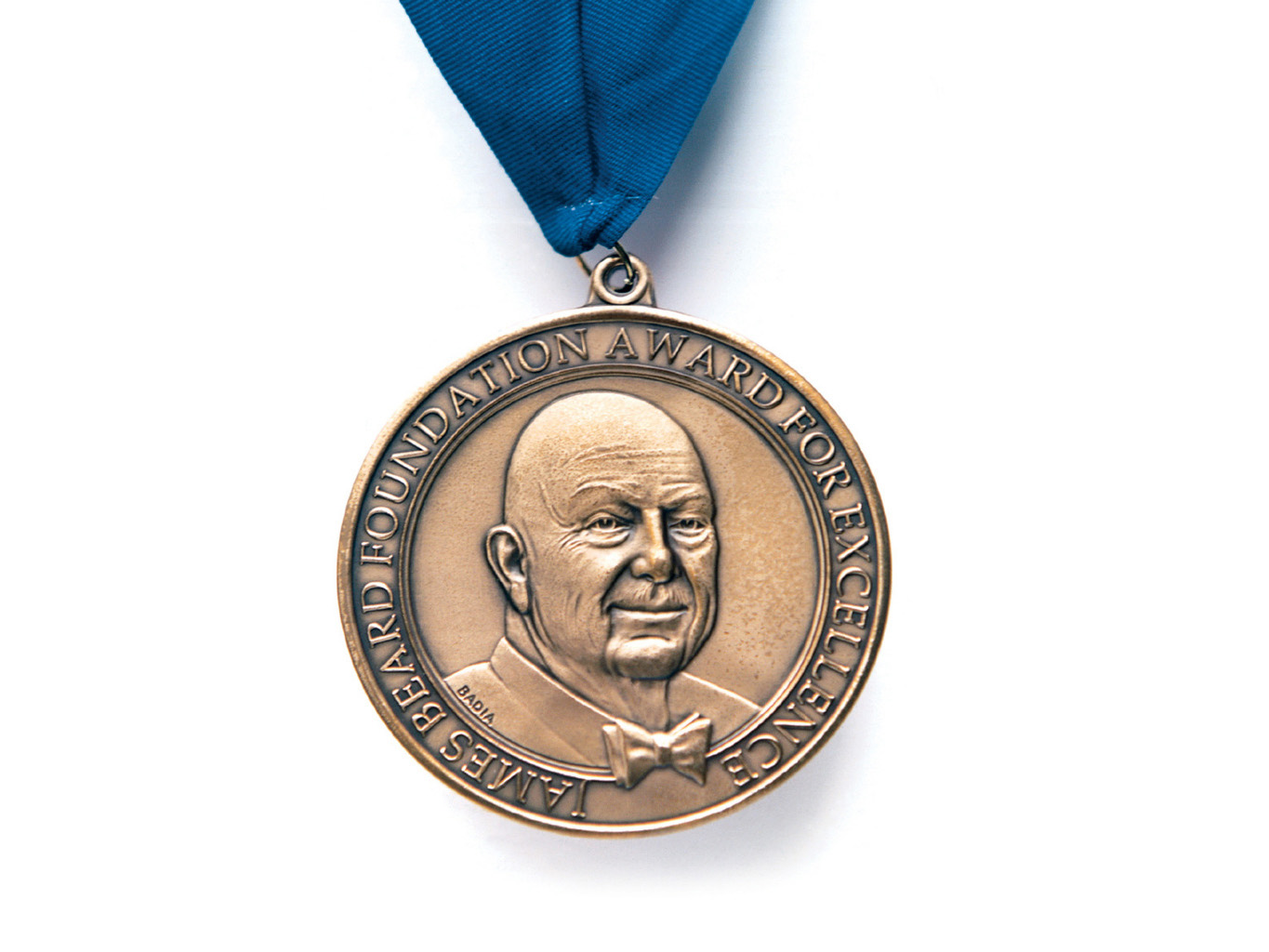
Exactly one week ago today, on August 2nd, I posted about the wonderful dinner we had in Boston at LES SABLONS. I recall the beautiful, tasty offerings from James Beard Award-winning chef Jeremy Sewall, the SWEETBREADS VOL-au VENT and the ROHAN DUCK BREAST, as well as the clever and quirky design package that somehow incorporated David Bowie, Grace Jones and Play-Doh.

So, the first part of the definition of “serendipity” is true…”the occurrence of events that happen by chance…”

But “…in a happy and beneficial way?” Well, that just does not fit here.

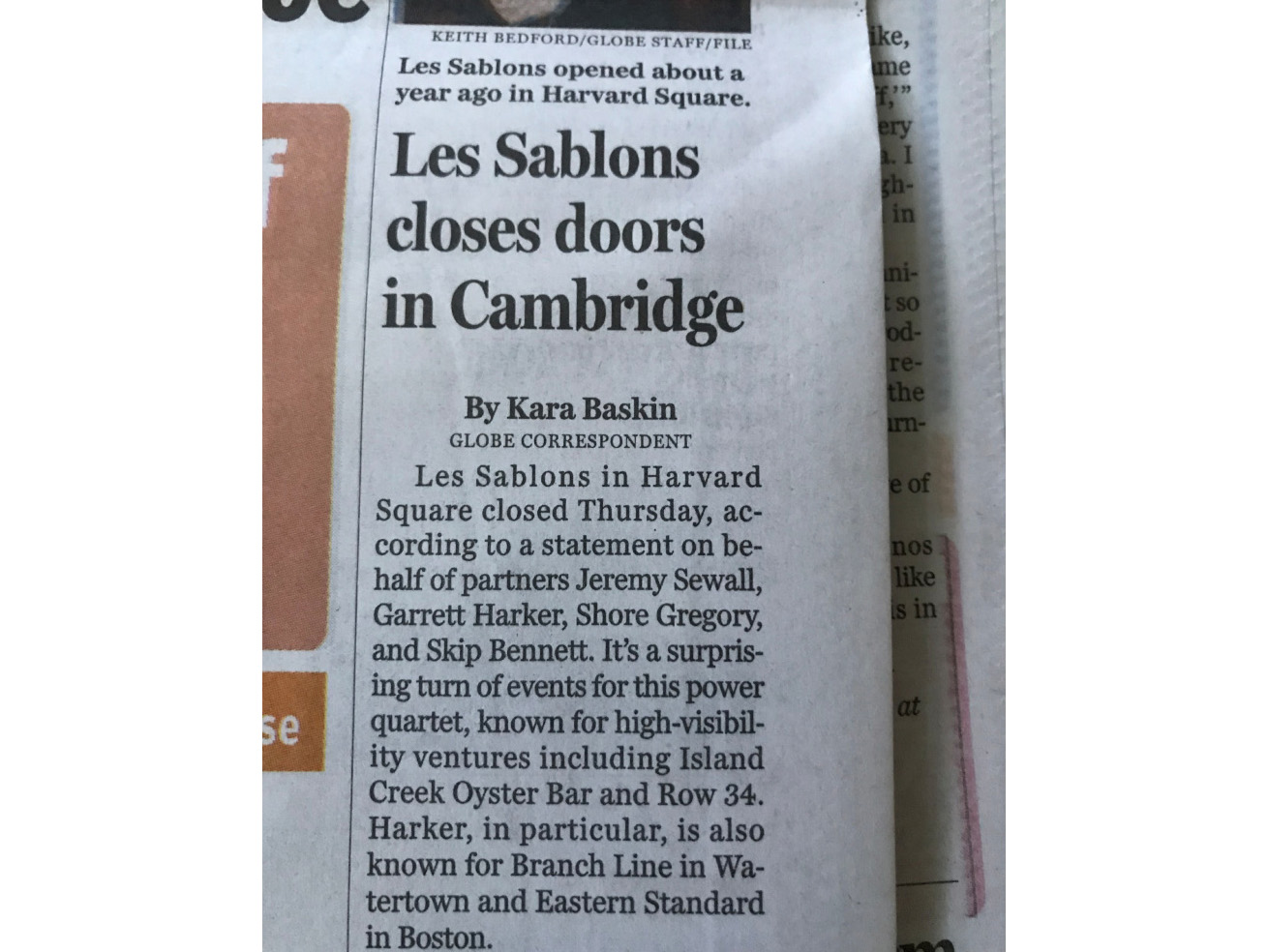
You see, last Friday – not 24 hours after I posted my rave about Les Sablons – the Boston Globe ran a piece announcing that the restaurant had closed for good the night before. Stop the presses!


It had been open only a little over a year.

For all my decades in this business, how could I have been so “brain dead” that I missed all the clues that everything was not well – things like being understaffed, not having the wine we selected, informing us that certain menu items were unavailable. But NO! Everything that evening bordered on PERFECT. And for a Sunday night, the place was busy and had a nice buzz.


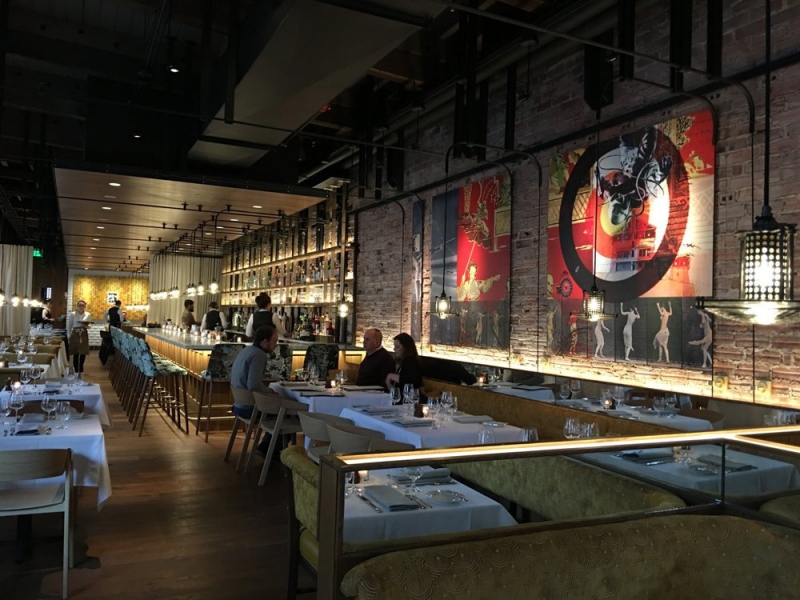
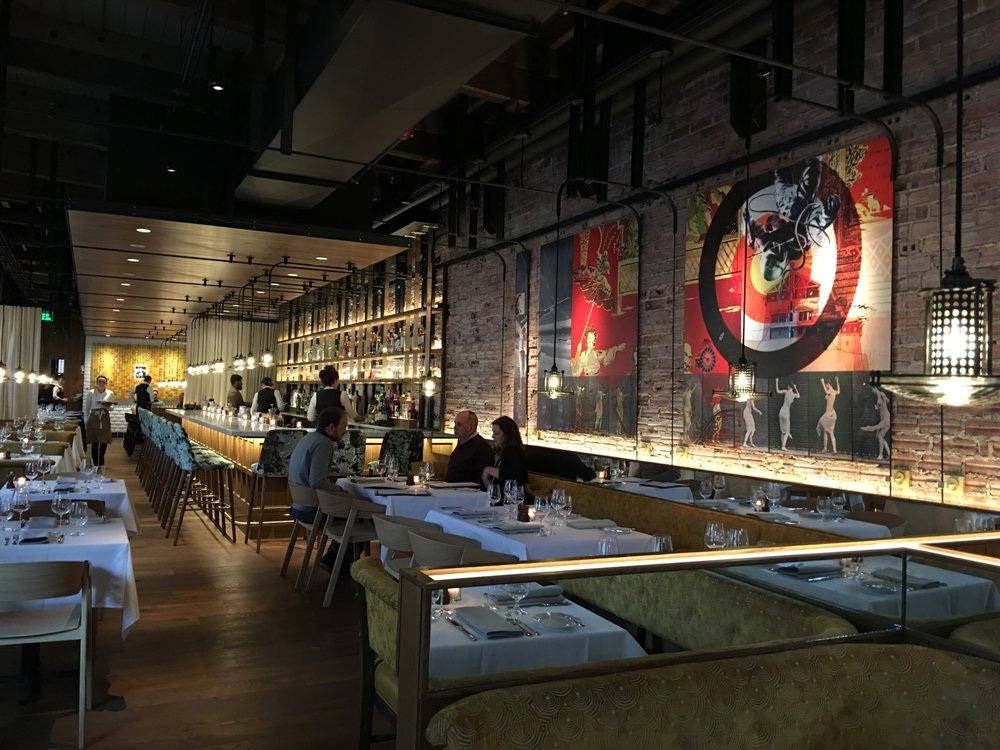
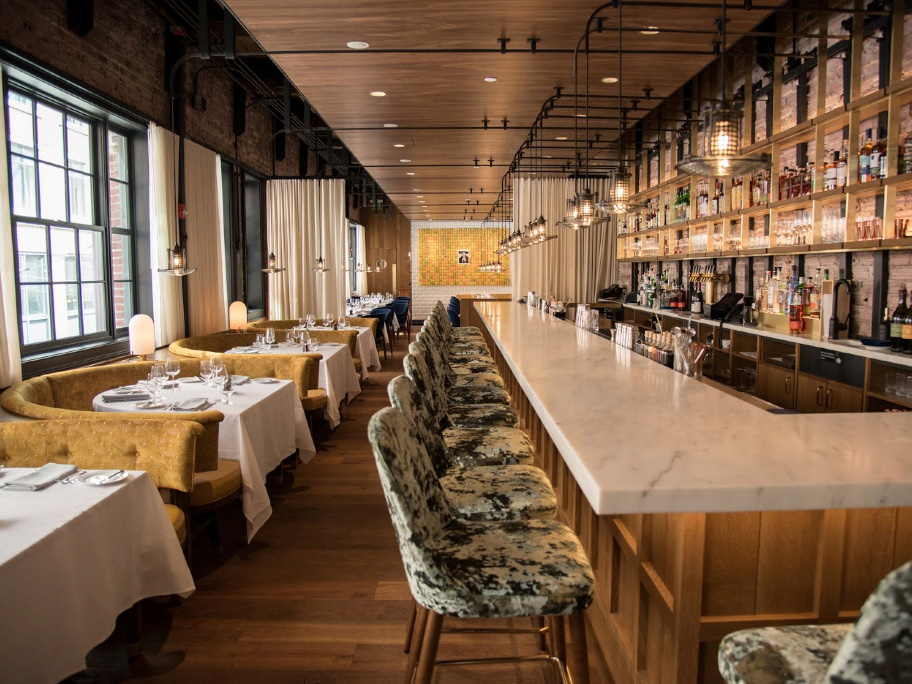
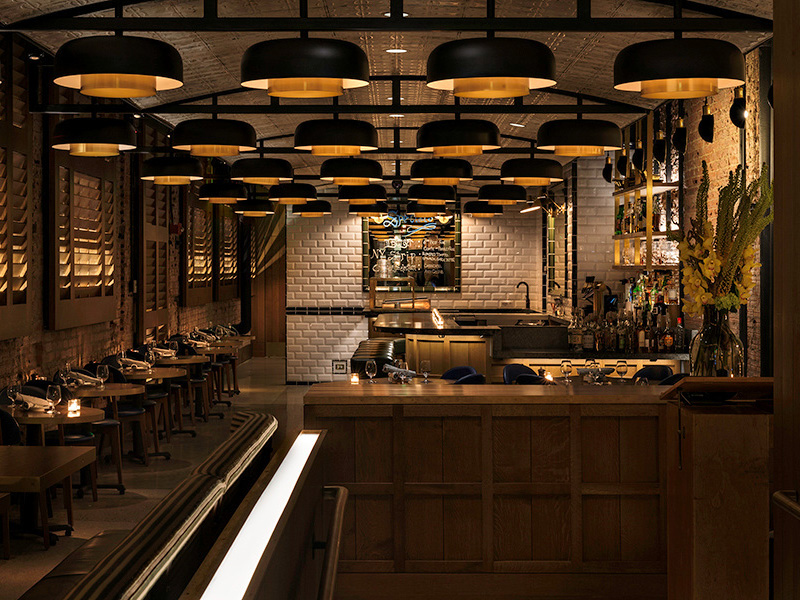
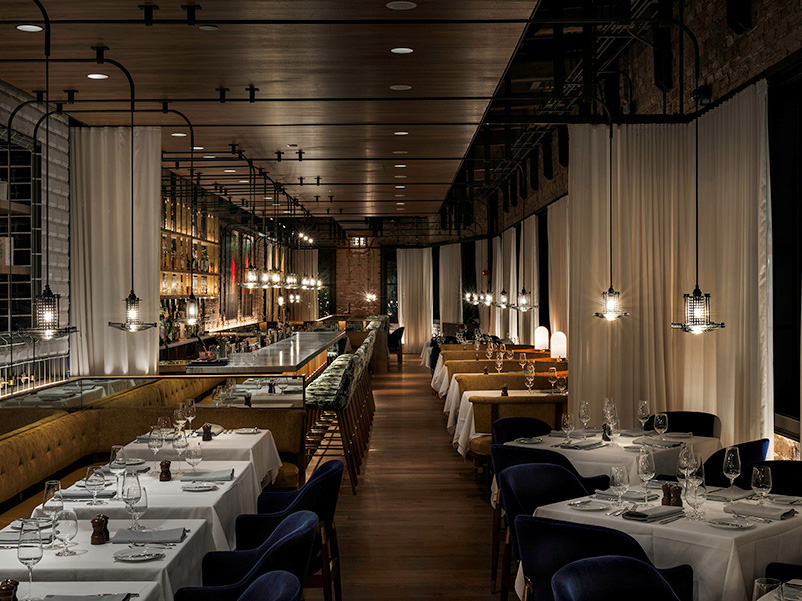
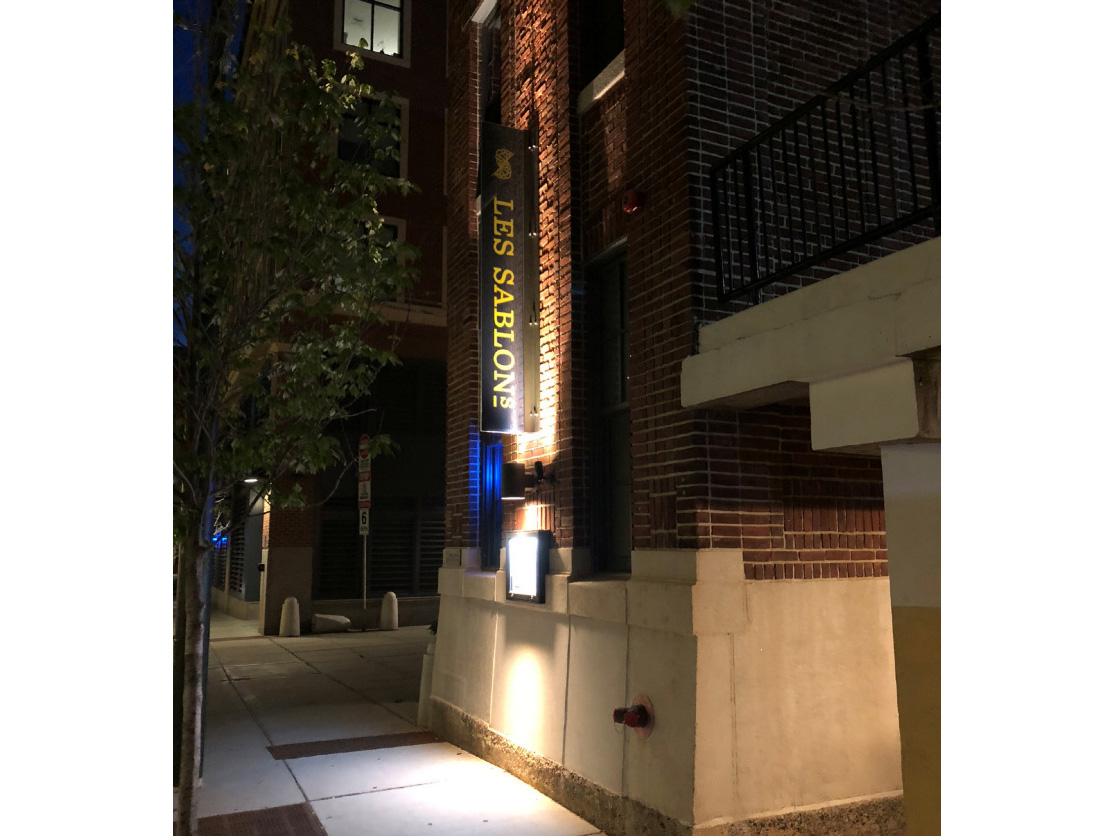
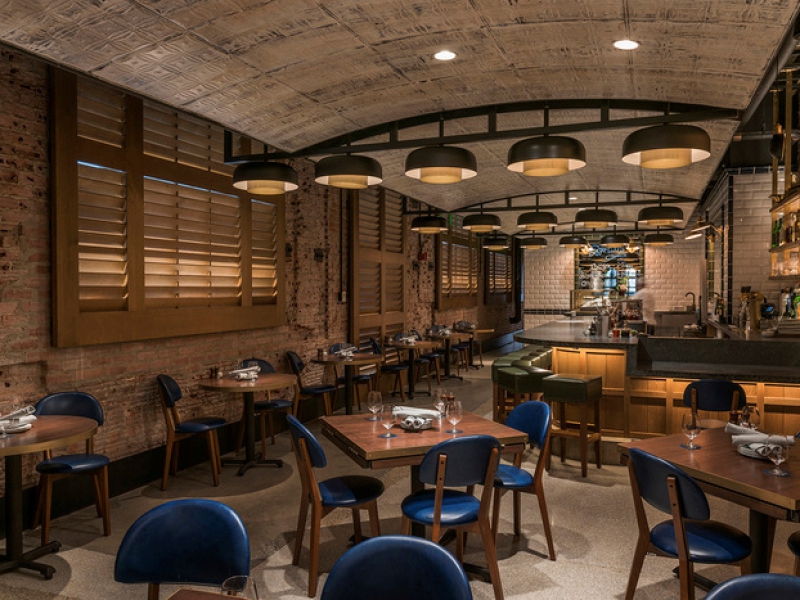
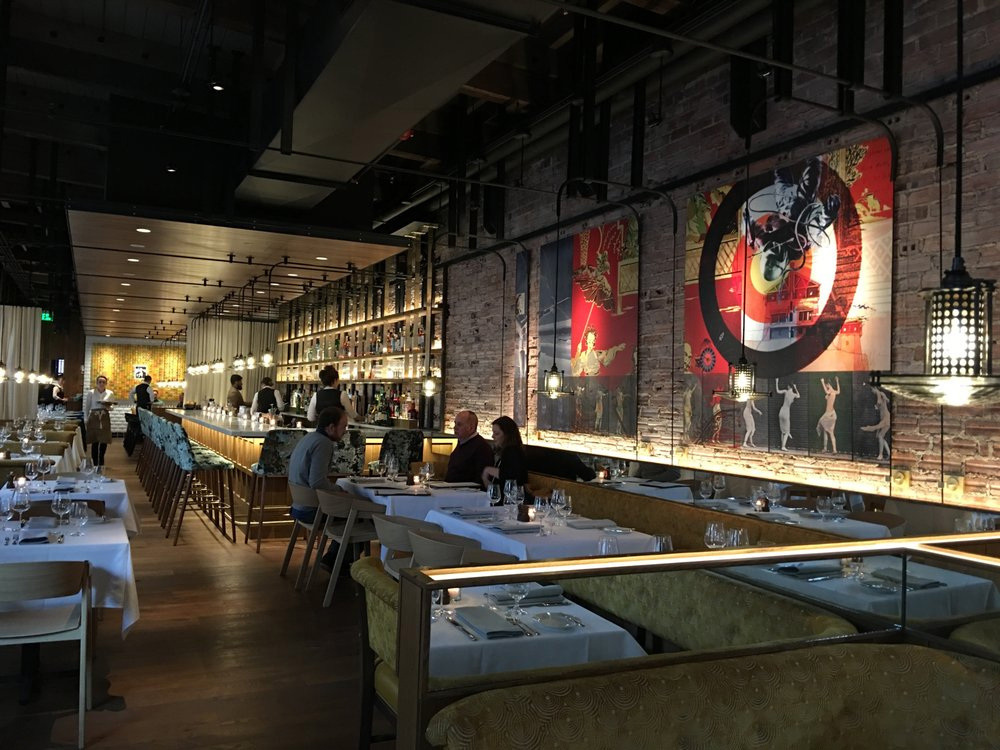
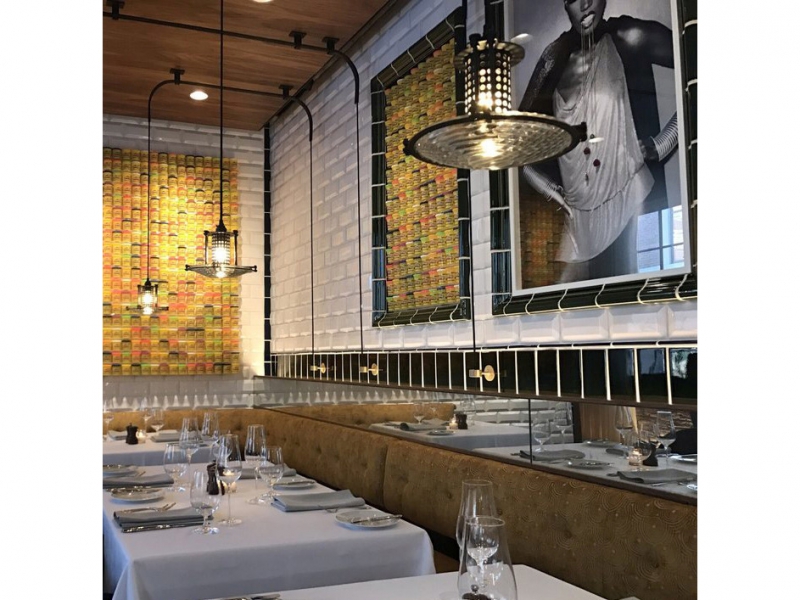
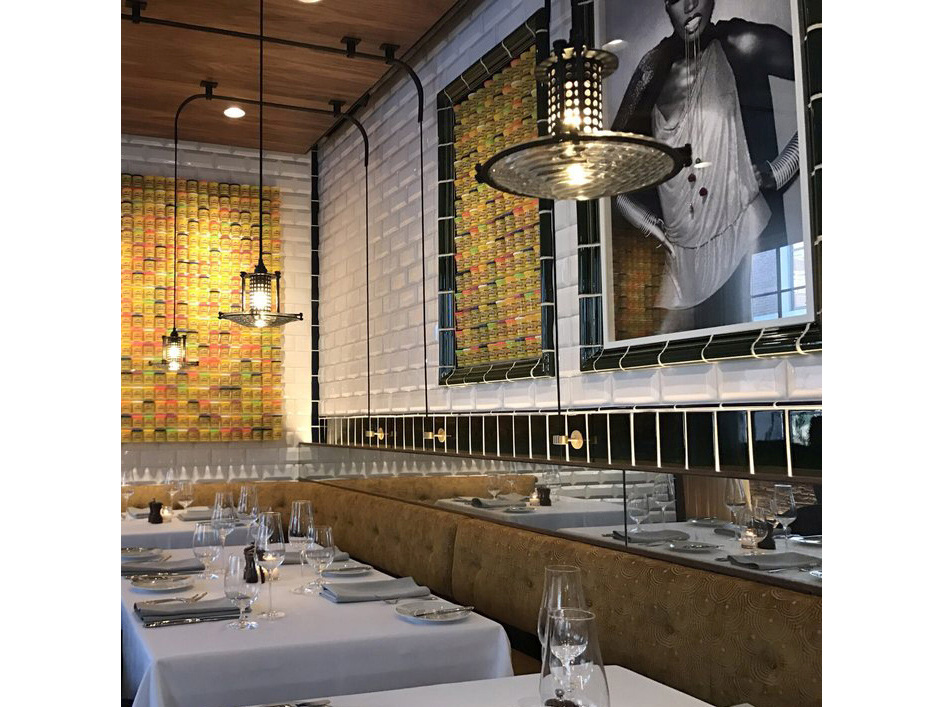
First off, the restaurant is – sorry, WAS – striking and very well designed. The NY-based architectural team of Bentel & Bentel successfully resolved the aesthetic challenges of dealing with a 17-foot wide “bowling alley” type of space. The lighting was at once sultry, flattering….and spectacular. In 2017 Boston Eater nominated Les Sablons for Best Design.

So were there any clues that I should have up at the time?

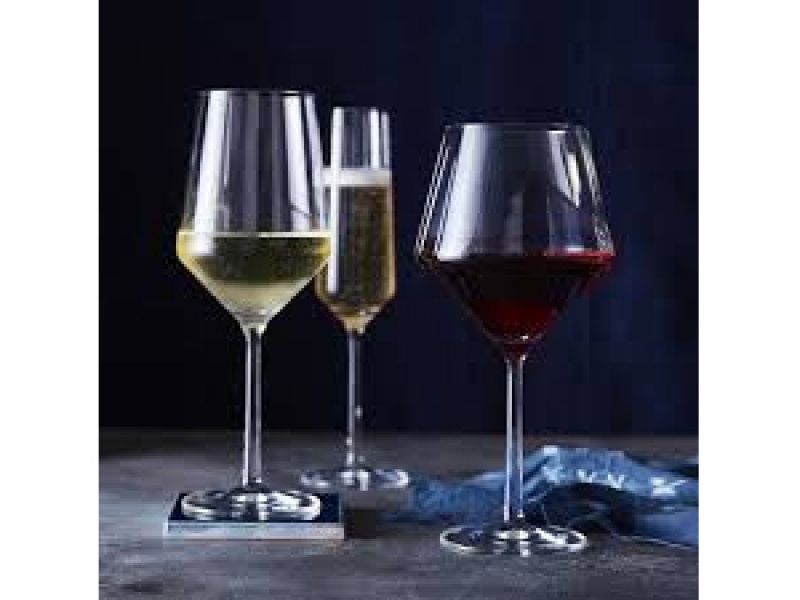
I do remember that as our server set down the wine glasses, I remarked on their elegance and delicacy, and asked a question (to which I already knew the answer): “Do many of these break during the course of an evening?” She replied, “OMG, you can’t even imagine.”


That’s important because – although I can’t say exactly what brand of wine glasses they used; it could have been anything from Waterford to Schott-Zweisel to Reidel – stemware of that quality runs anywhere from $15 to $60 per glass. I actually said to someone at the table, “We would never use fragile glassware like that.” Do the math: $200 -$300 in breakage PER NIGHT?????

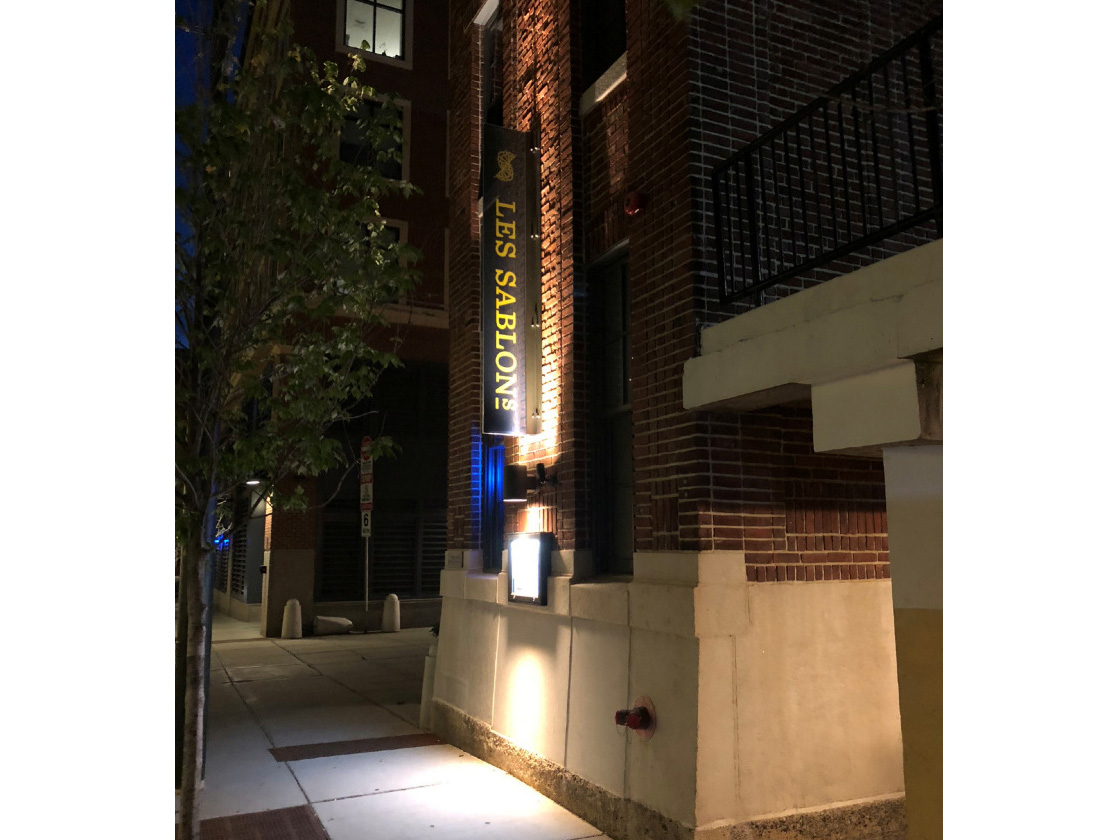
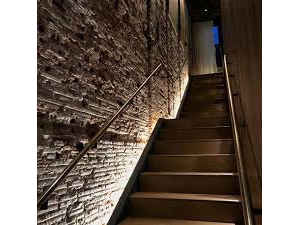
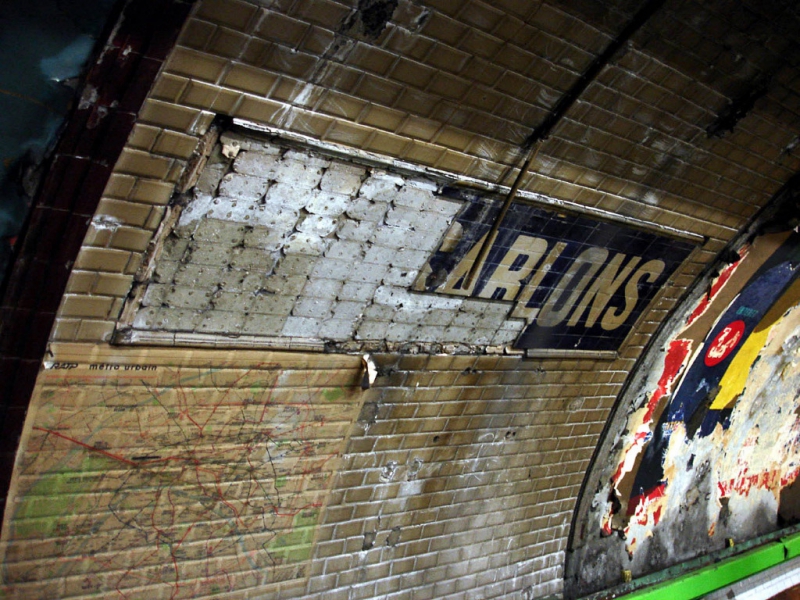
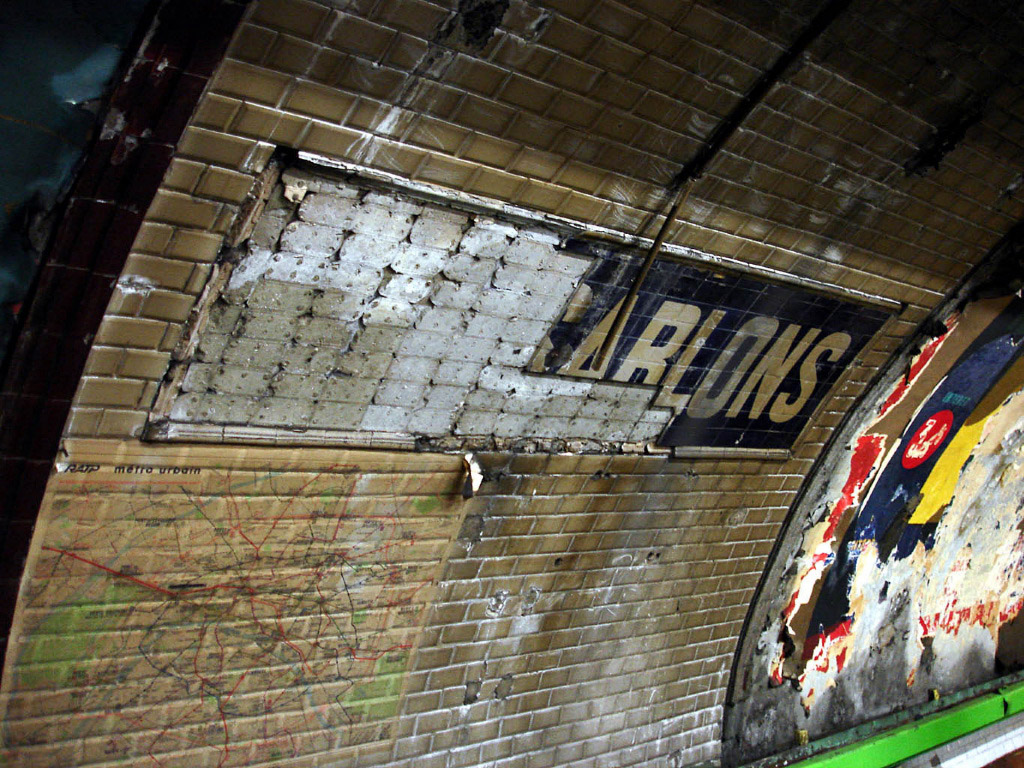
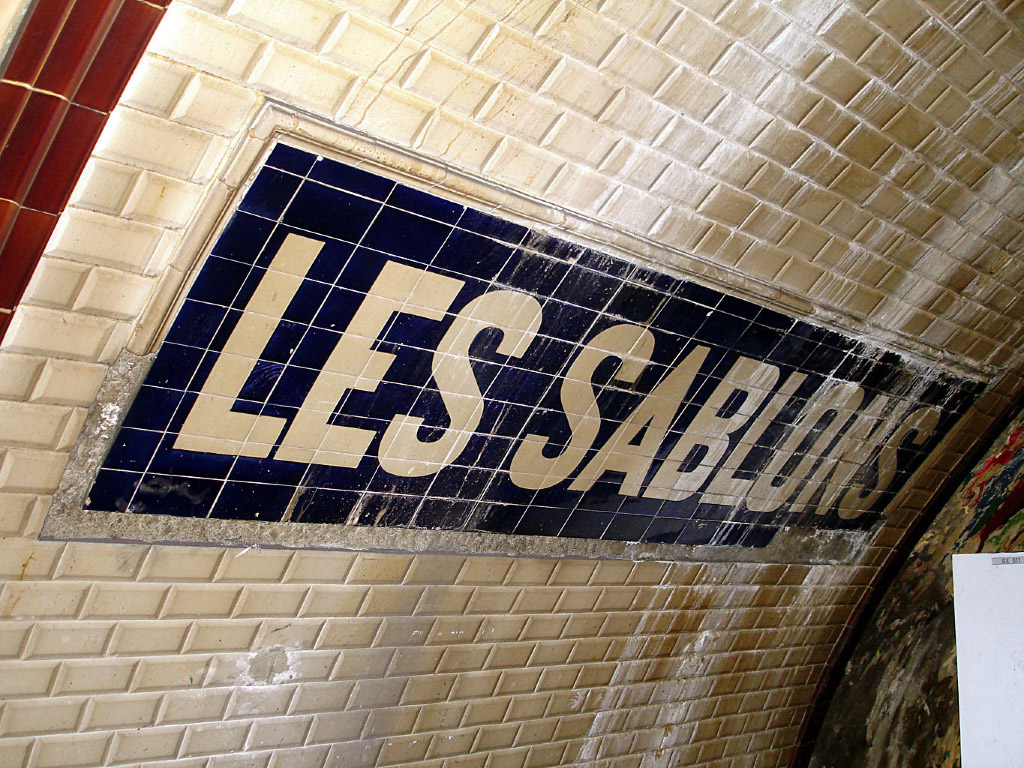
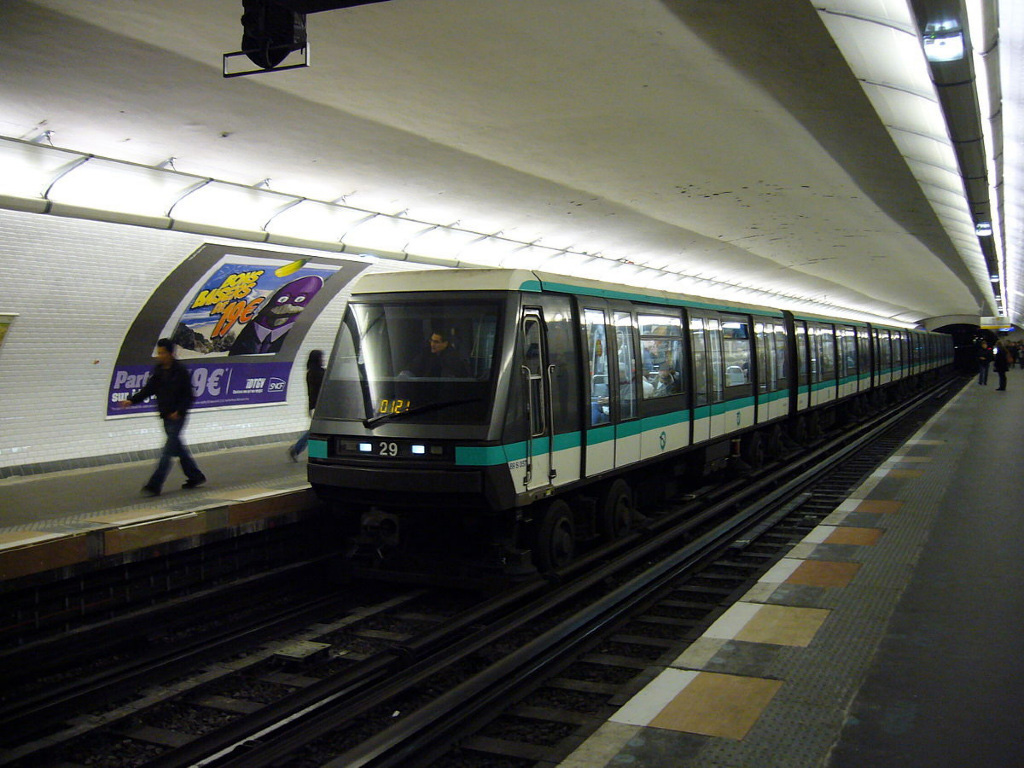
As I have read more about the closing, I learned that Les Sablons’ building had endured decades of neglect prior to the restaurant’s opening. The owners were actually inspired by the dilapidated structure as it reminded them of the run-down, cracked and sooty Paris Metro station after which it was named (check out the image of below).


The rule of thumb that we at Parasole – and most others in our industry – use to determine the viability of a site is that annual sales will have to be double the cost of the buildout. If a restaurant costs $2 million to build, then you’d better have a $4 million concept. If the cost is $4 million, then $8 million in sales has to be realized. And BTW $8 million is flirting with the stratosphere.

So could it be that the dire condition of the building doomed Les Sablons to failure? With all the structural, mechanical, and electrical issues to resolve (maybe asbestos also figured into the mix), creating a restaurant with Les Sablons’ level of fit and finish could have run $4-6 million. Factor in rent and taxes, etc., and maybe they never had a chance.

I just don’t know. I’m not smart enough to figure out what happened to Les Sablons. All I know for certain is that I’m sorry it’s gone.

W.T.F.

NEXT STOP: LES SABLON

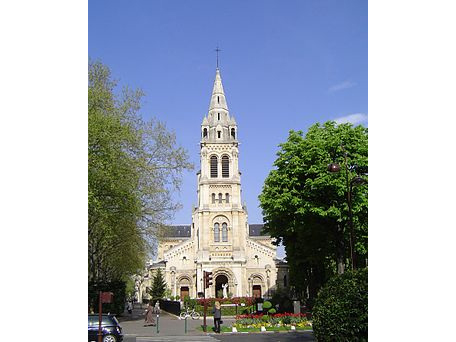
Once in a while in Paris, one needs to escape the crowds and concrete and seek out an oasis. For Joanne and me, we found our refuge a half-dozen stops away on the Paris Metro #1 line – heading from the Chatelet Metro station toward the Arc de Triomphe, then two stops later reaching our destination: The LES SABLONS Metro station.


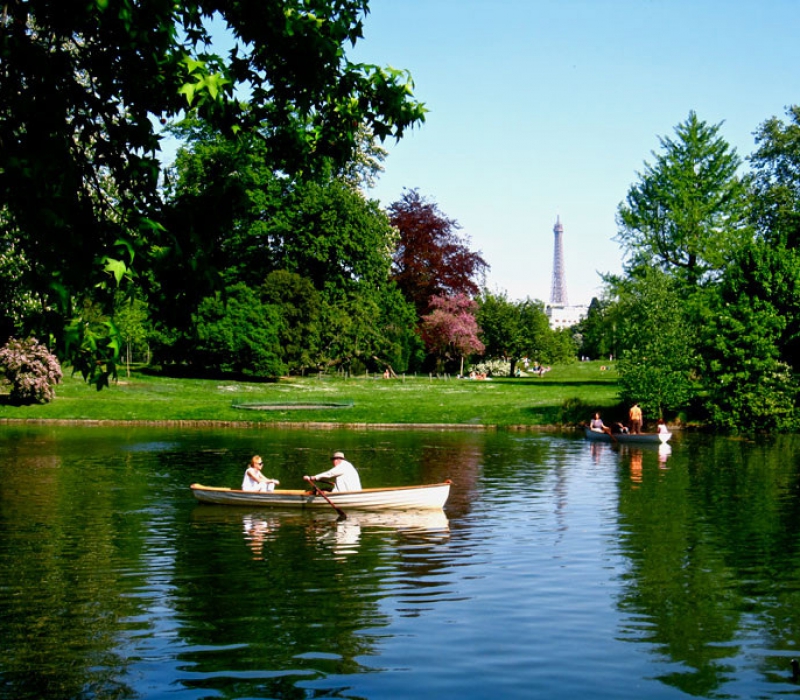
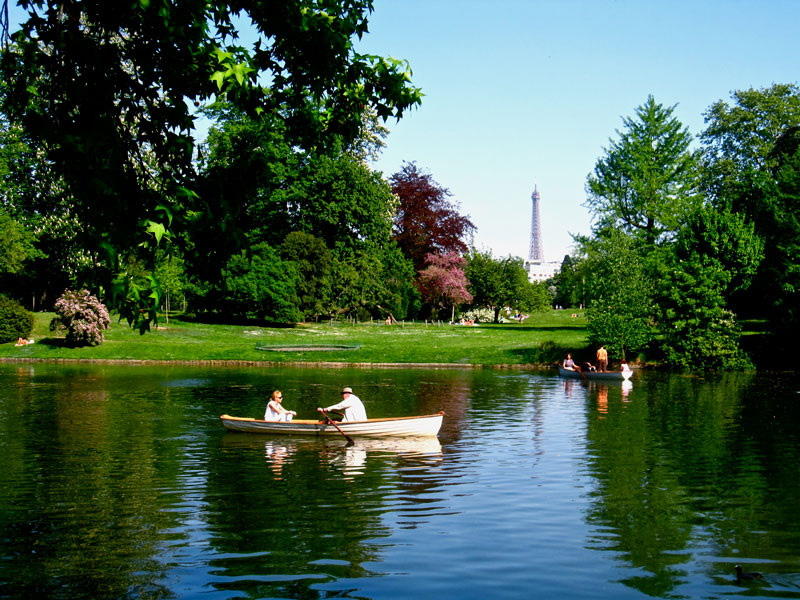
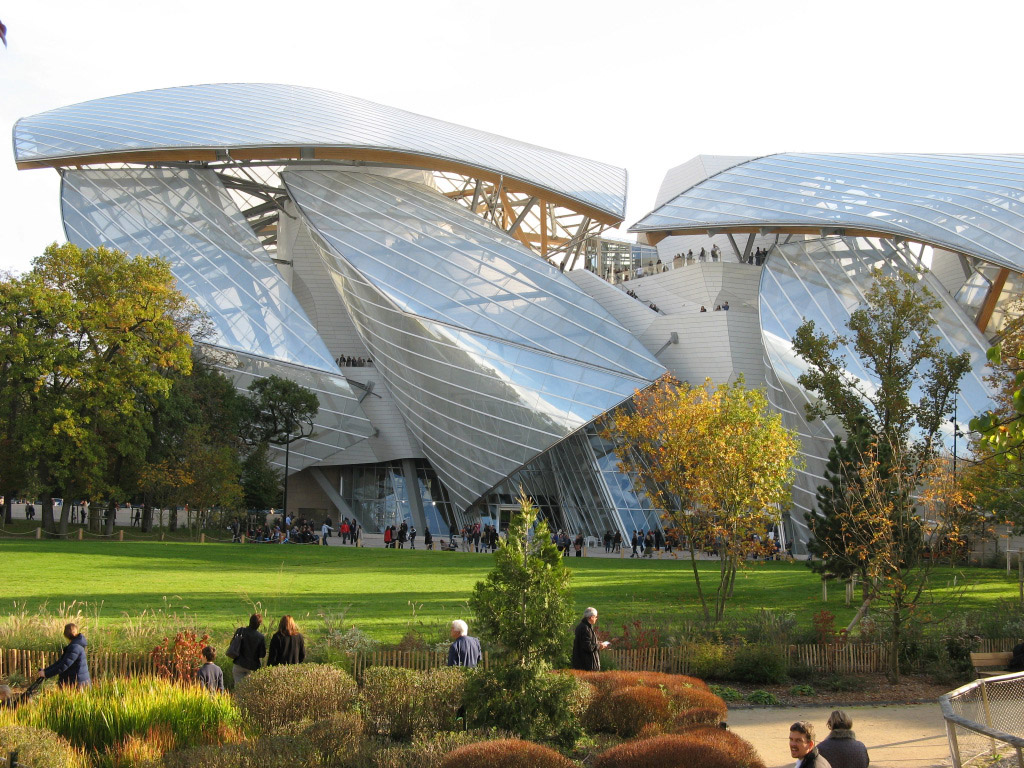
We’ve done this stop several times, most recently with our grandkids. And what a treat it is. You’re only a couple of blocks from the beautiful and spacious BOIS DE BOULOGNE GARDENS, home to the stunning, Frank Gehry-designed FONDATION LOUIS VUITTON museum. We always manage to have lunch at the museum restaurant…LE FRANK…. (Check out my February 16, 2017 post: “Blast from the past…Springtime in Paris”).

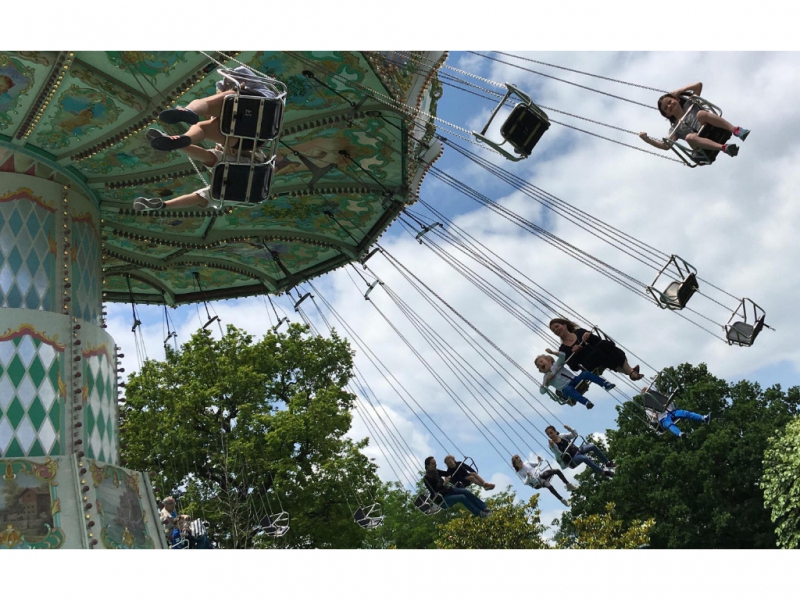
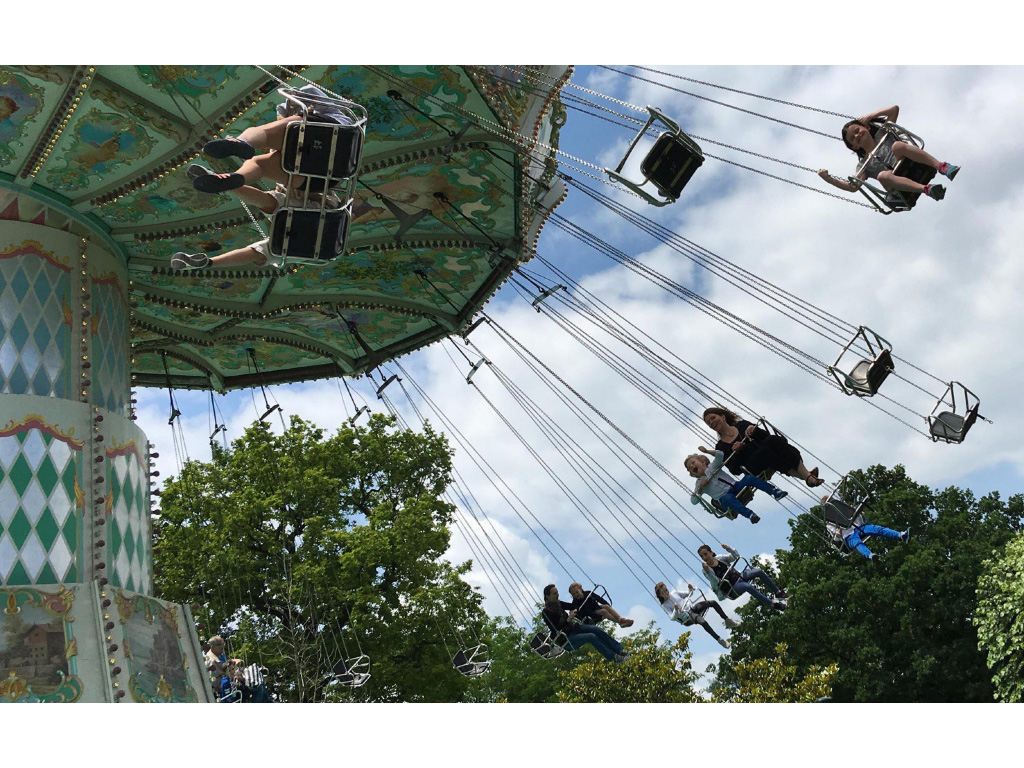
To top that off, just behind the museum is the JARDIN D’ACCLIMATATION (“Garden of Pleasure”) and its iconic amusement park, complete with a half-dozen outdoor cafes. It’s a great place to spend a Sunday in Paris.

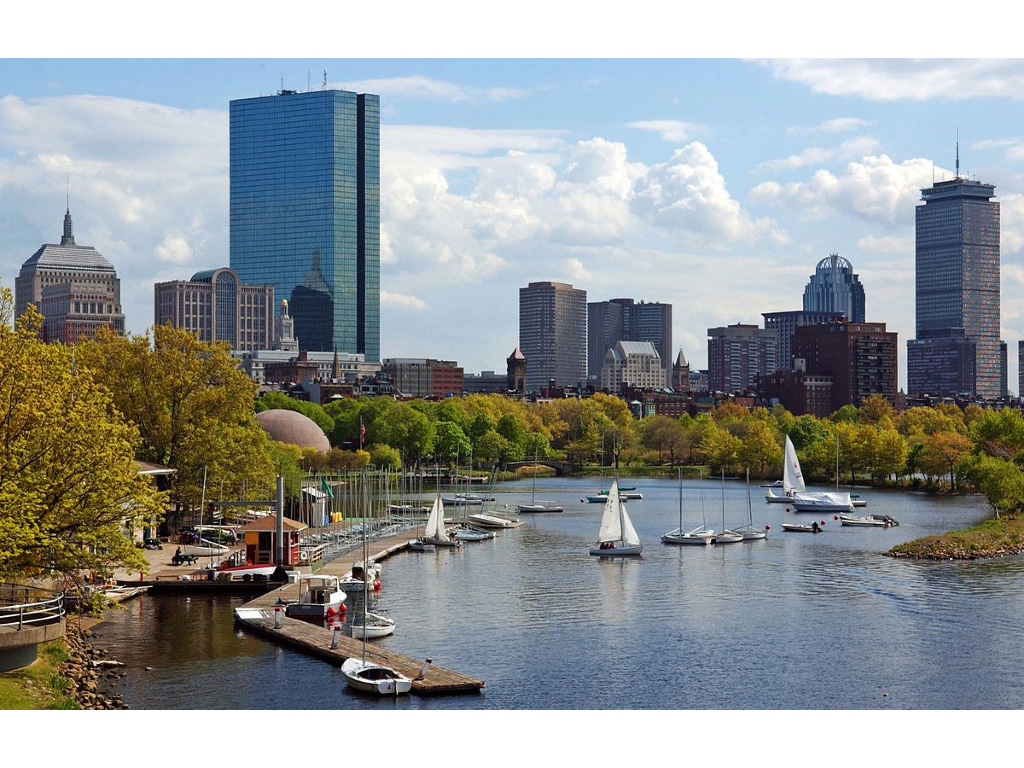
So a few weeks ago when Joanne and I attended the graduation of our grandson, Charlie, in Boston, I was amused that our son, David, had booked dinner reservations at a rather new Cambridge restaurant called LES SABLONS, opened in 2017 in Harvard Square. And BTW, if any of you are dropping off kids for college in the Boston area, read on….read on!

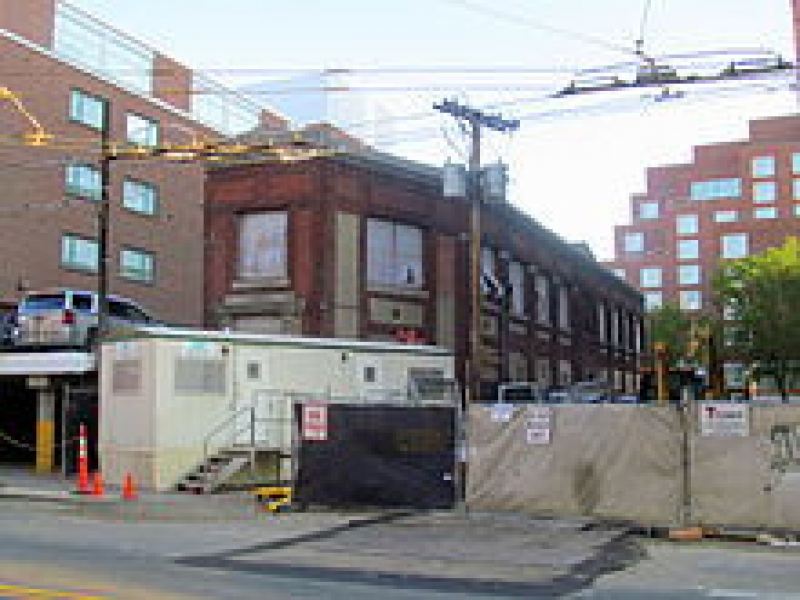
Les Sablons is housed in the historic Conductor’s Building, circa 1912, once a subway facility and respite for the train conductors who worked greater Boston’s earliest subway system.

While our favorite Boston restaurants have always included an eclectic mix…..everything from GRILL 23 to CRAIGIE ON MAIN, TEATRO, FIGS and EAST COAST GRILL, I have to say that Les Sablons is our new favorite. No wonder: At the helm is chef Jeremy Sewell, a James Beard winner as well as a Culinary Institute alum who honed his skills in London under the famous Roux Brothers (think LE GAVROCHE).

The restaurant occupies two floors. The more casual first floor is the Oyster Bar, while the smart second floor is ever so slightly formal – BUT without the fuss! In fact, there’s a lot of quirky wit and whimsy going on.

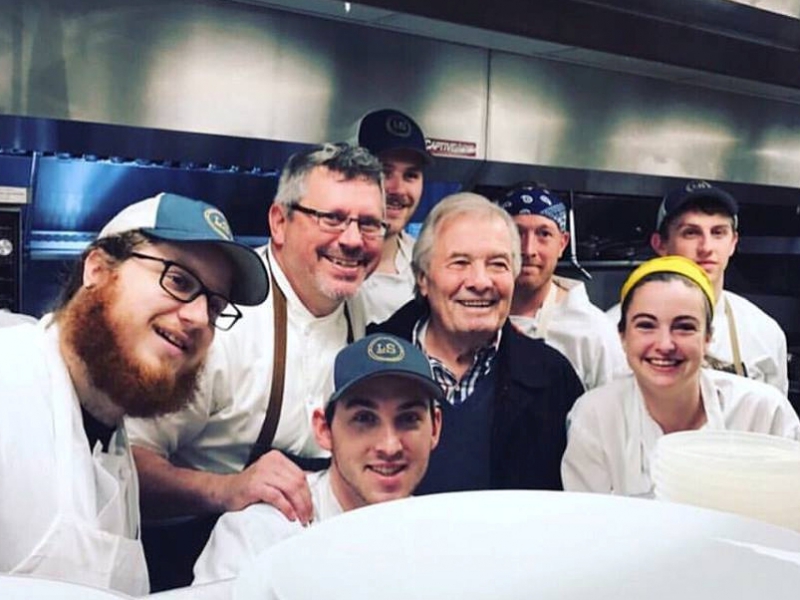
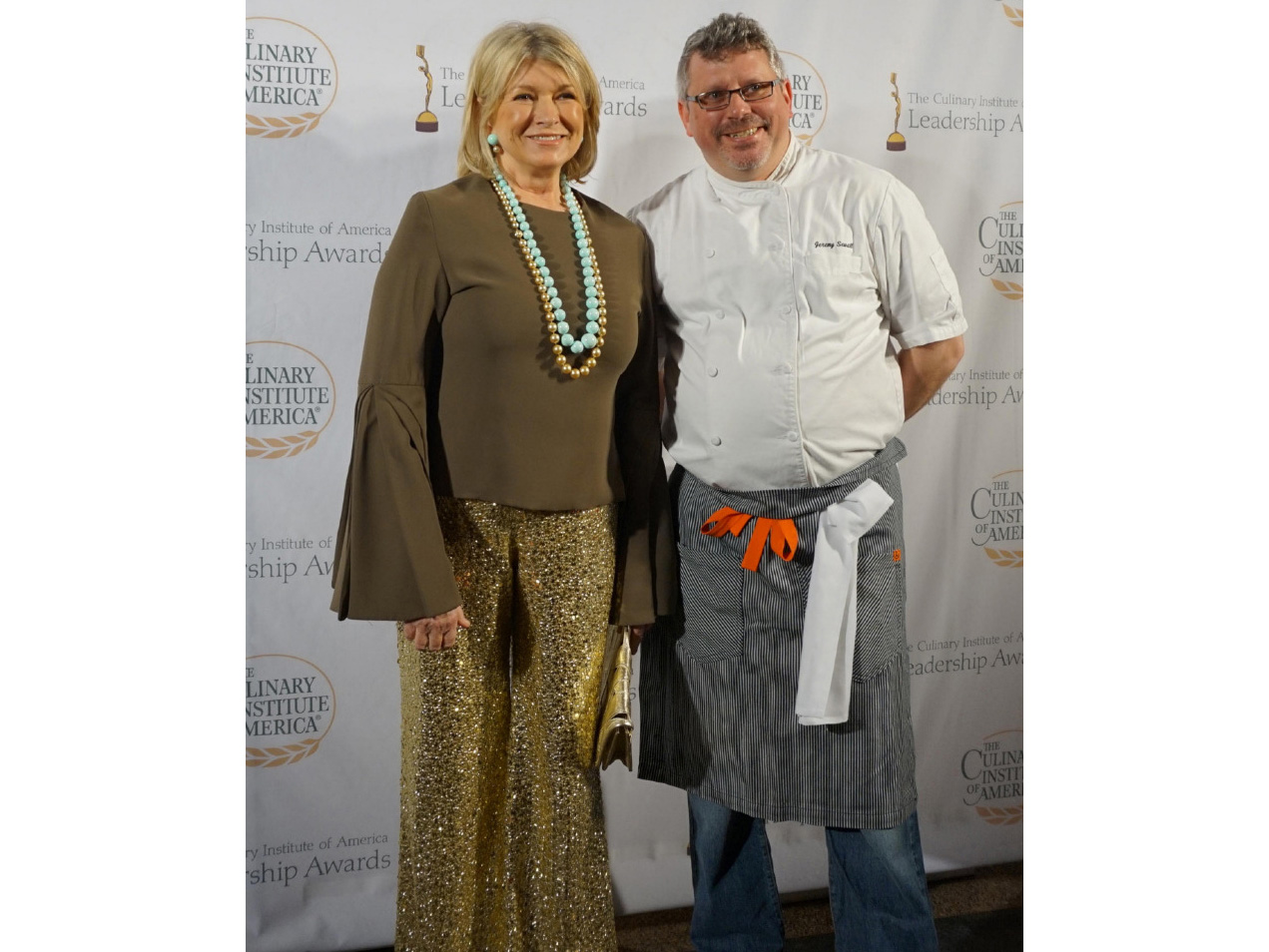
And of course (me being a sucker for celebrities), I noted that Jacques Pepin and Martha Stewart were patrons. Martha was smiling (so everything must have been perfect – and I mean PERFECT. Or else.).

Well, I have to say that our dinner was, indeed, faultless.

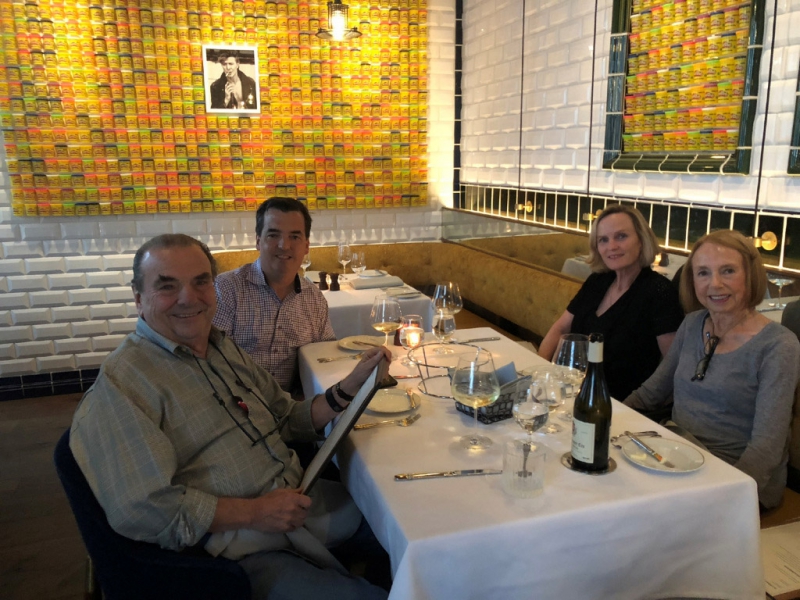
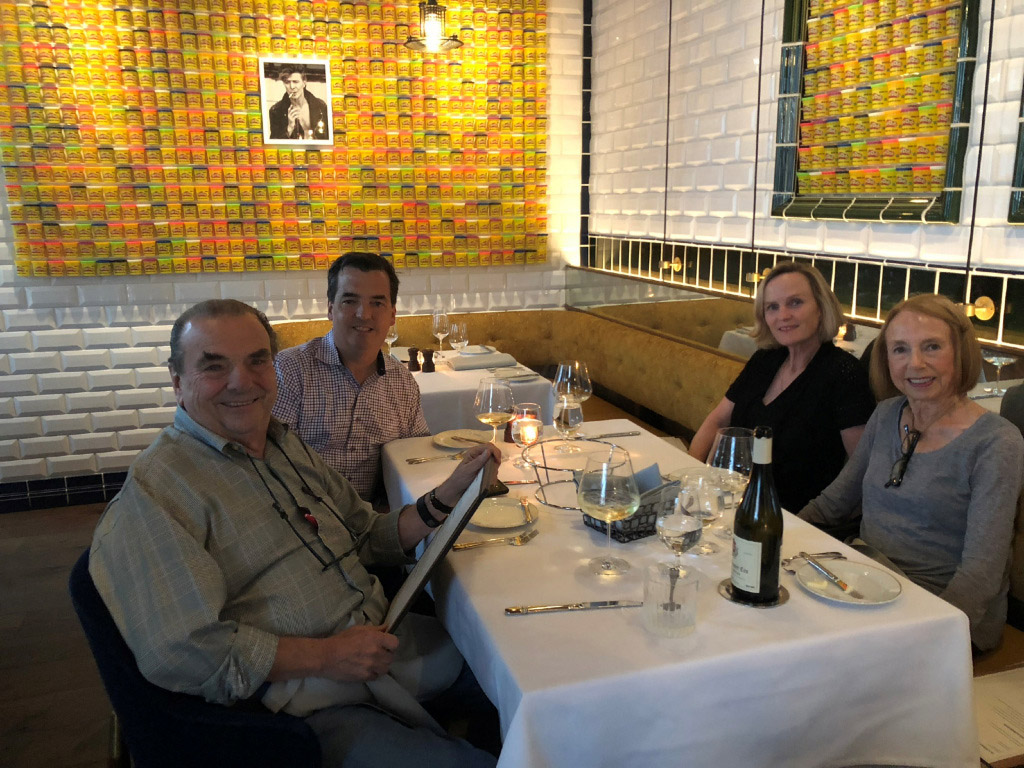
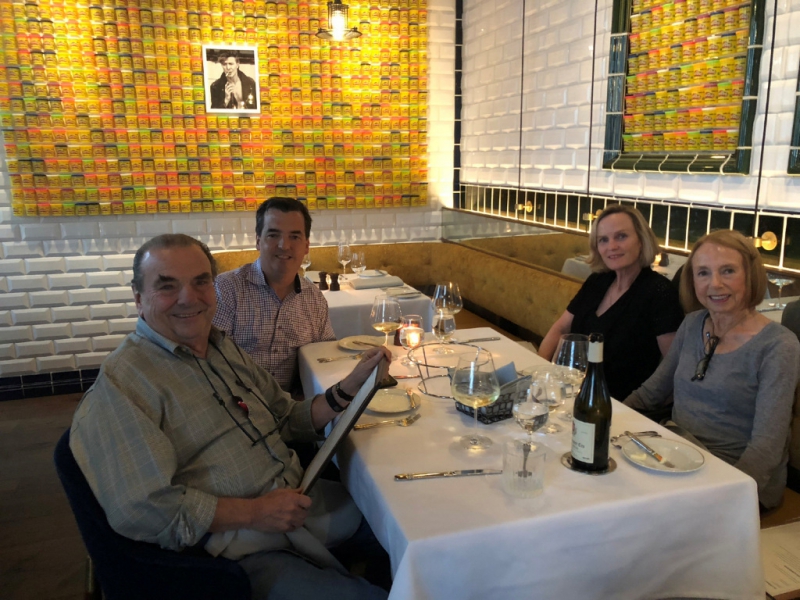
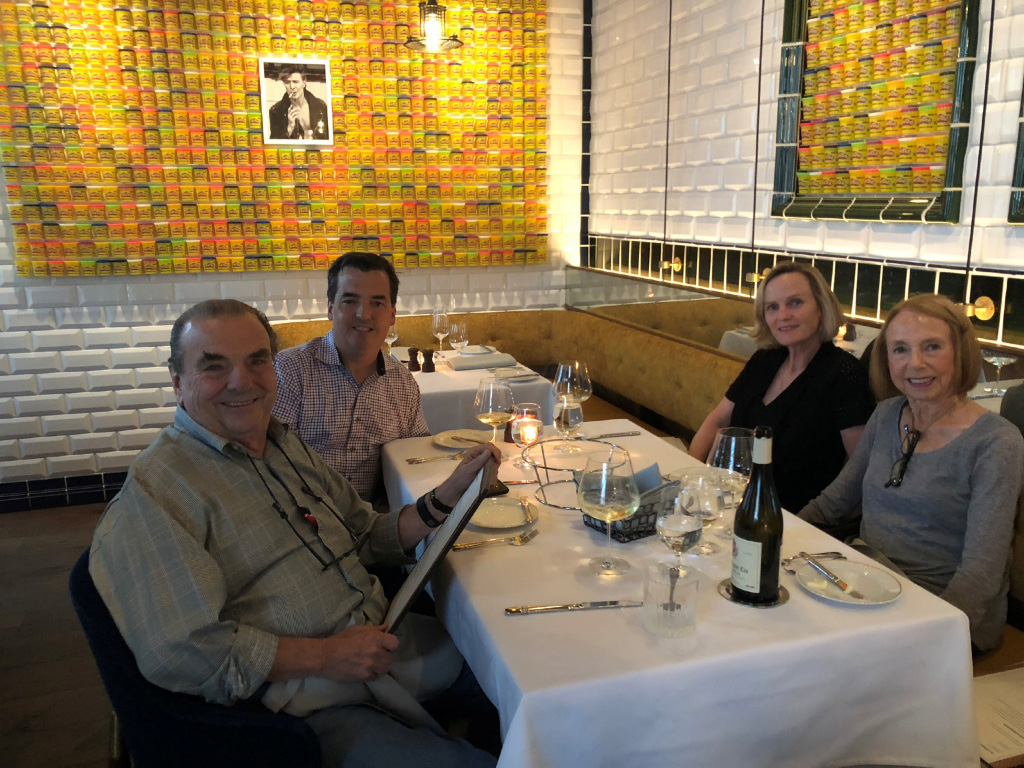
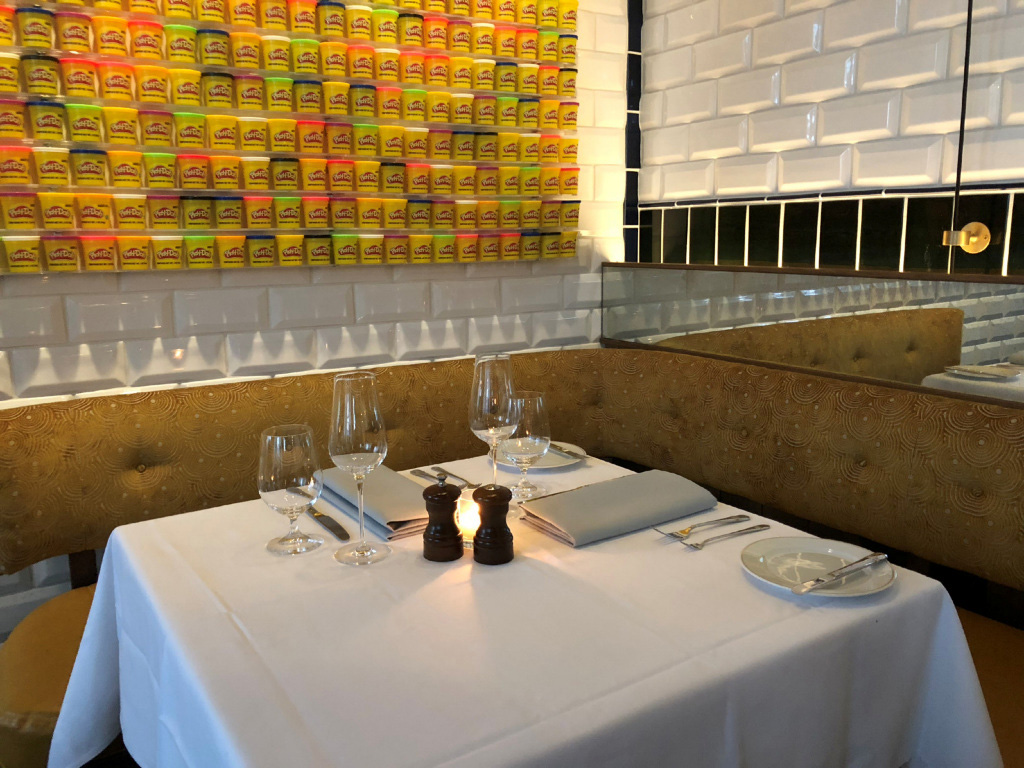
First off, in the event that two of you decide to go to Les Sablons, be sure to request corner table #61. Not only will you occupy the Catbird Seat, but you’ll be directly under the Play-Doh mural with a photo of cigarette-smoking DAVID BOWIE keeping an eye on you…


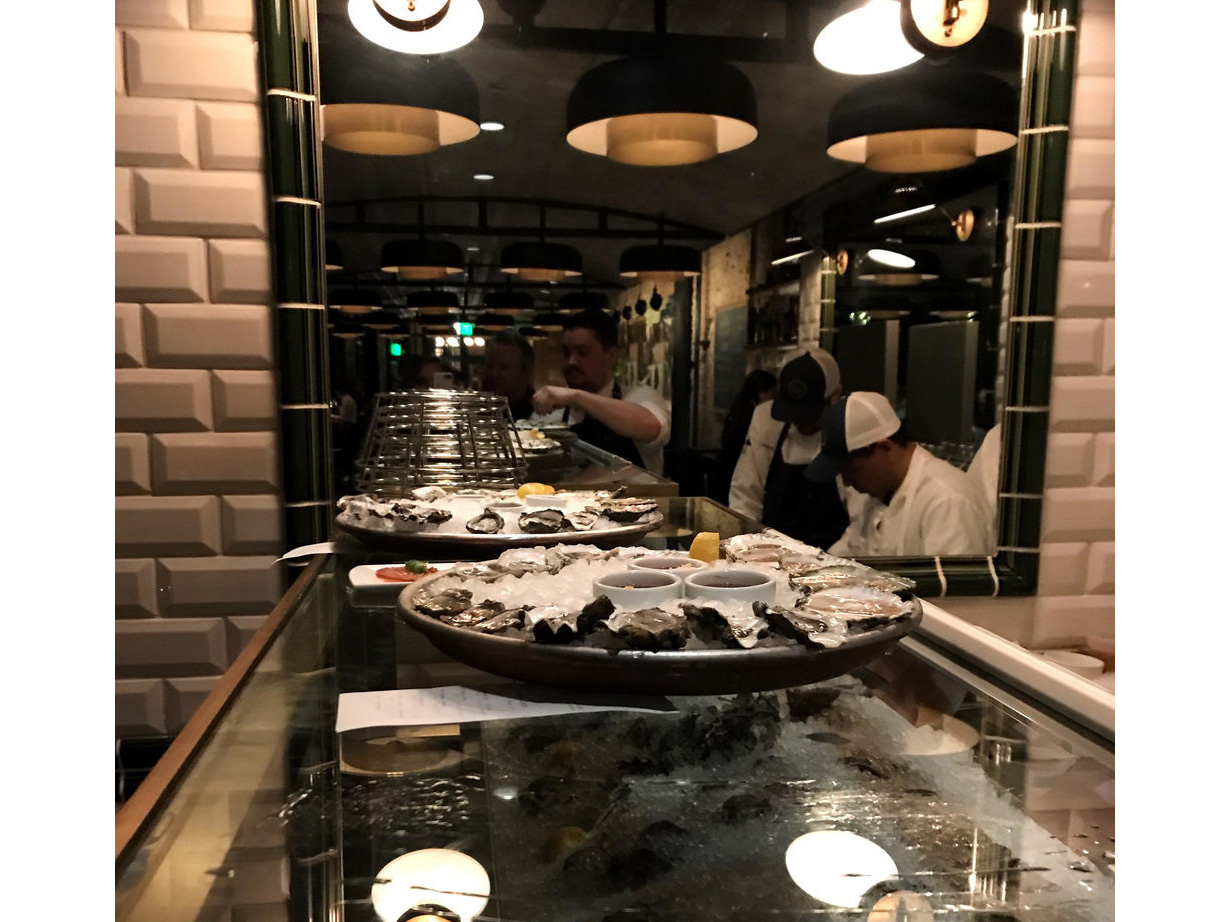
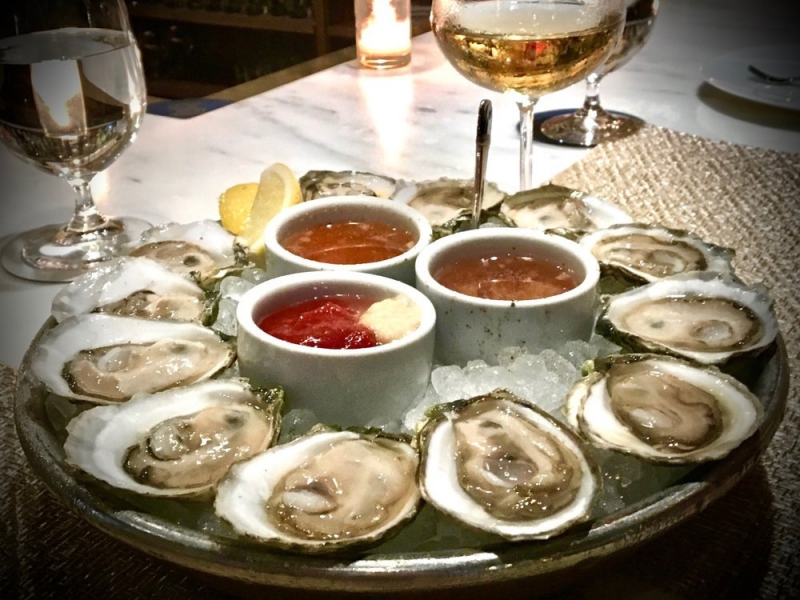
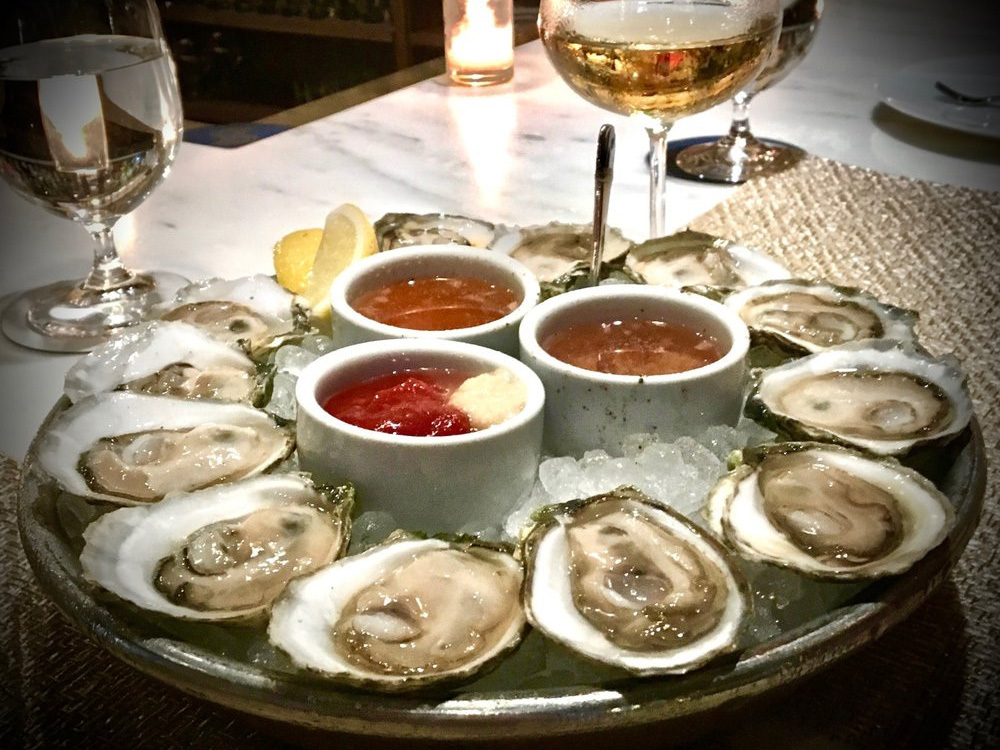
We started by sharing a dozen raw, fat oysters: four Aunt Dotties, four Fin de la Tables and four Little Guns – all $3.50 each. The Aunt Dotties and Little Guns both hail from the East Coast and are farm-raised. I’m told they’re the same oyster, but with different names. Could be – because they tasted the same. I can’t figure out where the “Fin de la Table” oysters are from. Maybe France? Maybe they’re just called “Fin de la Table” because they’re the last ones the restaurant’s able to sell.

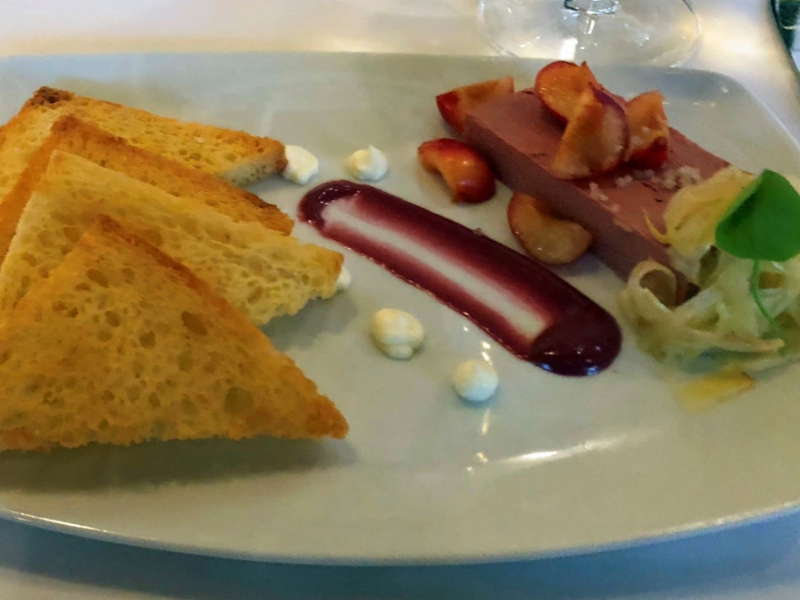
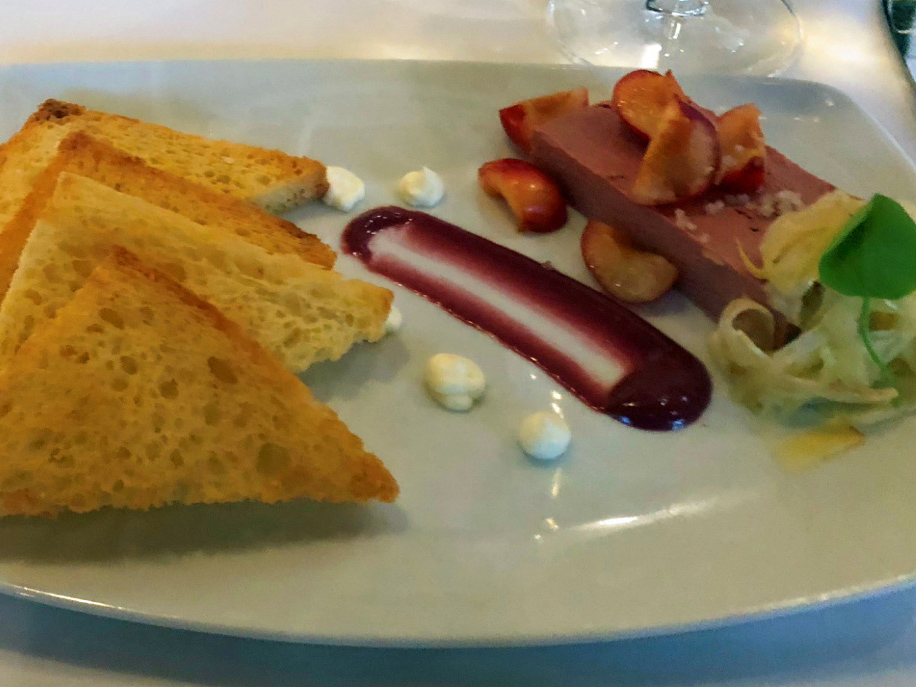
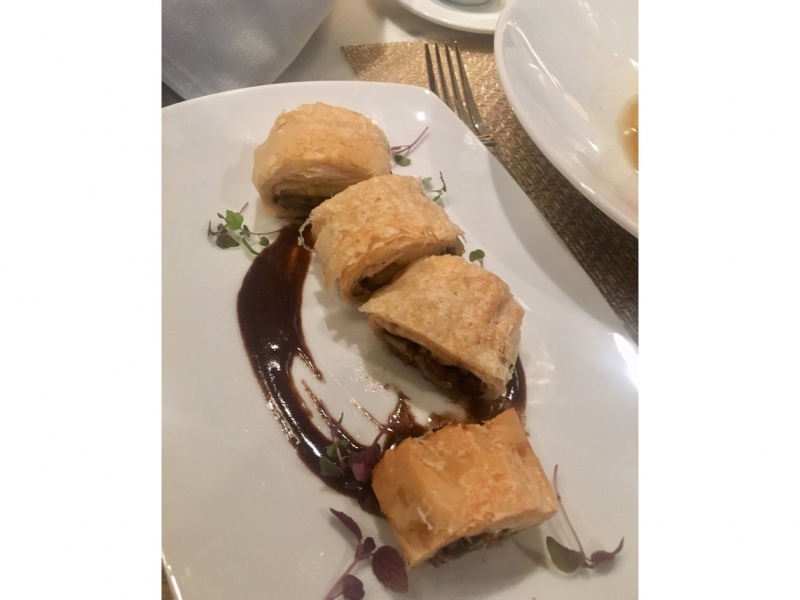
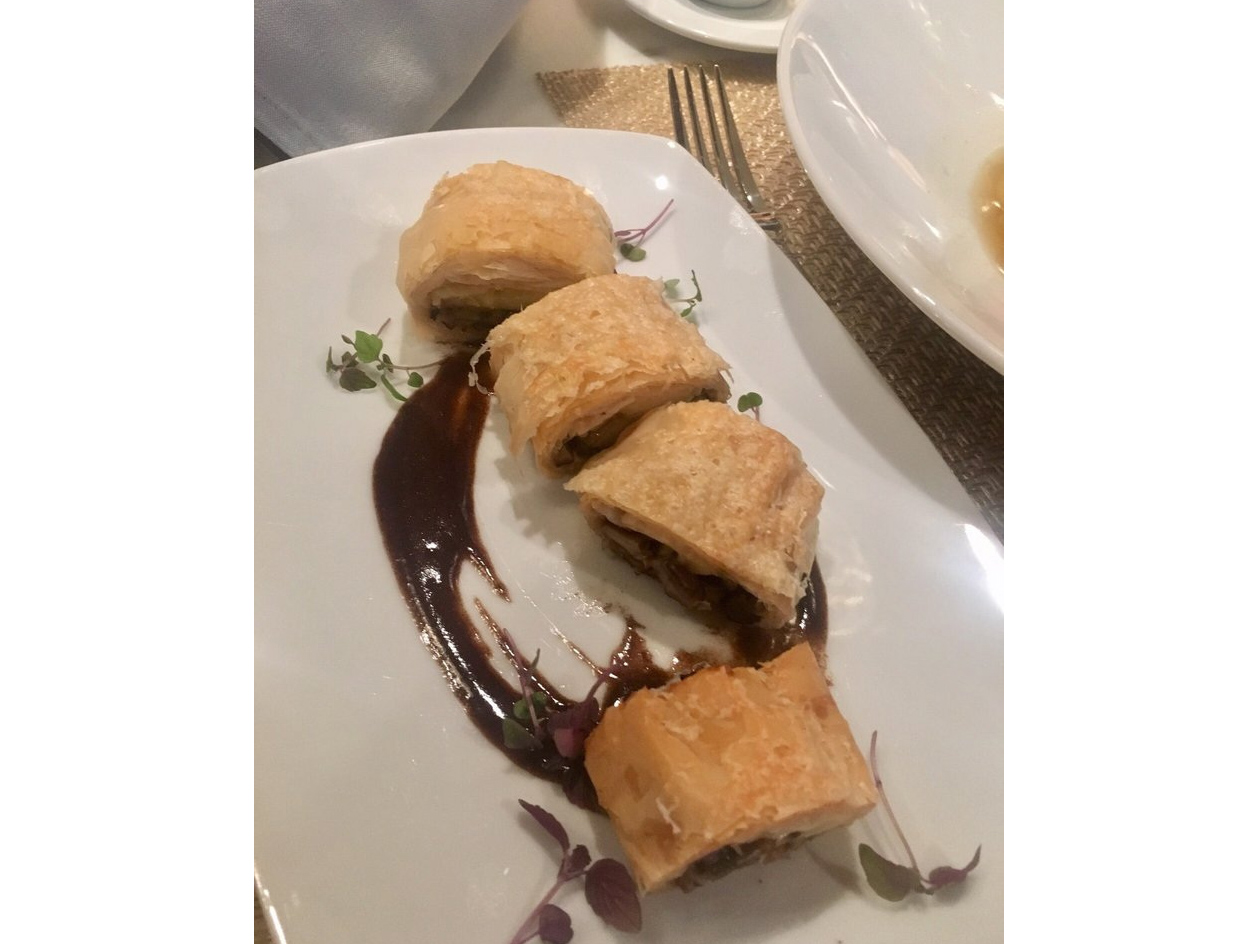
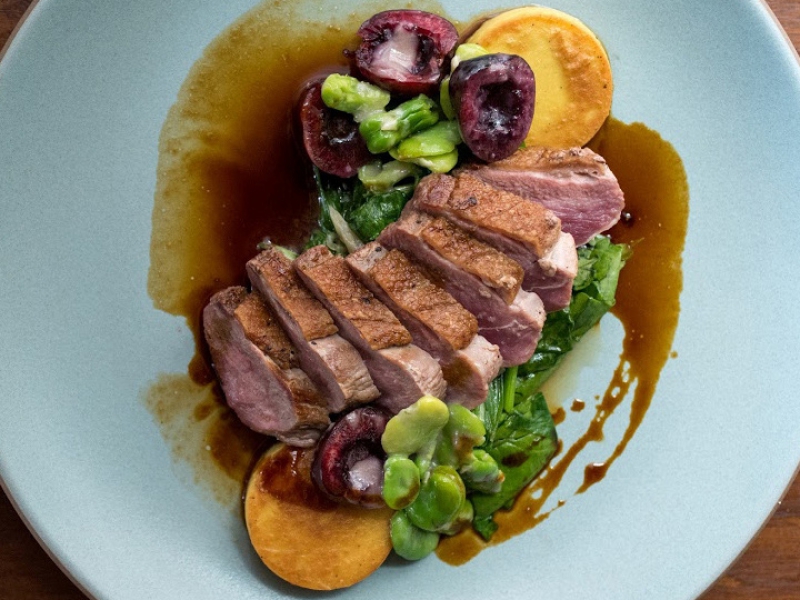
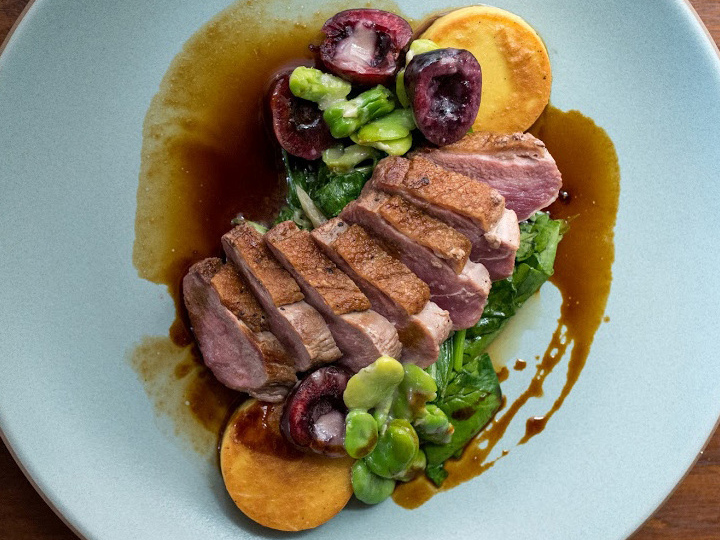
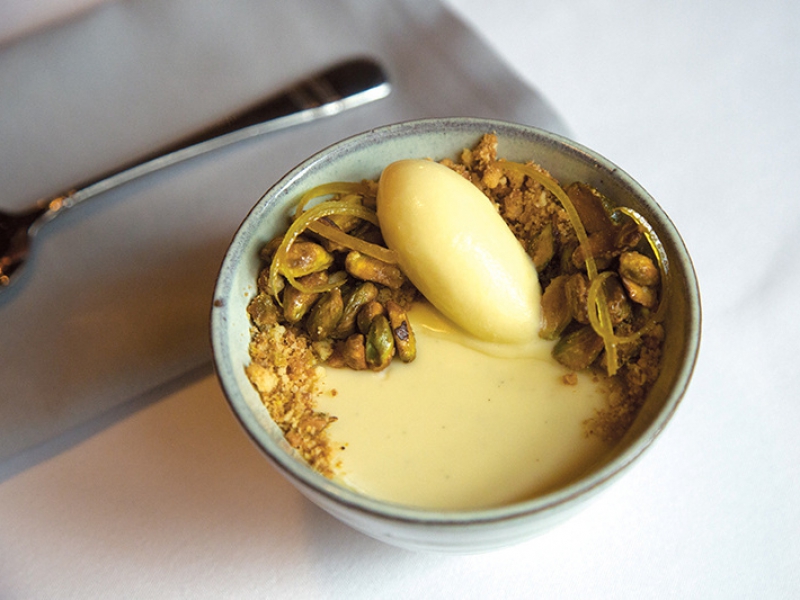
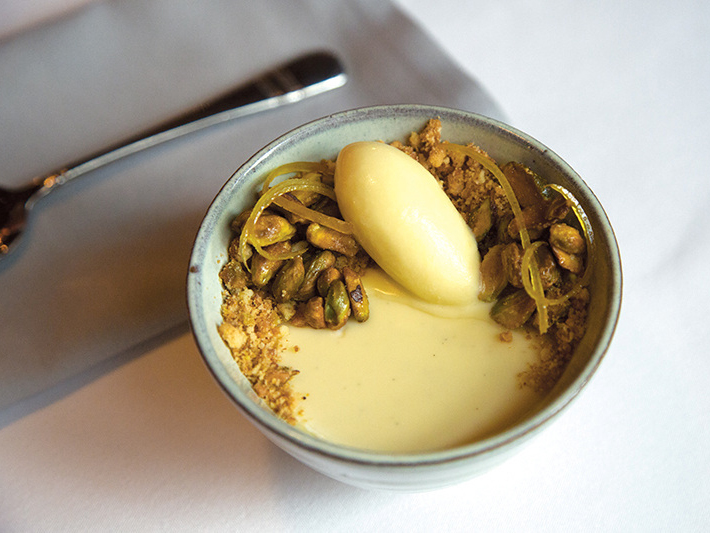
I won’t bug you with a laundry list of our dishes. All – and I mean ALL – were exceptional. But here are a few that simply can’t be ignored. Check out the accompanying images.

APPETIZERS:
Chicken Liver Terrine….with toasted brioche, cherry mustard and crème fraiche…$15

Mushroom Strudel …with black garlic sauce…$14

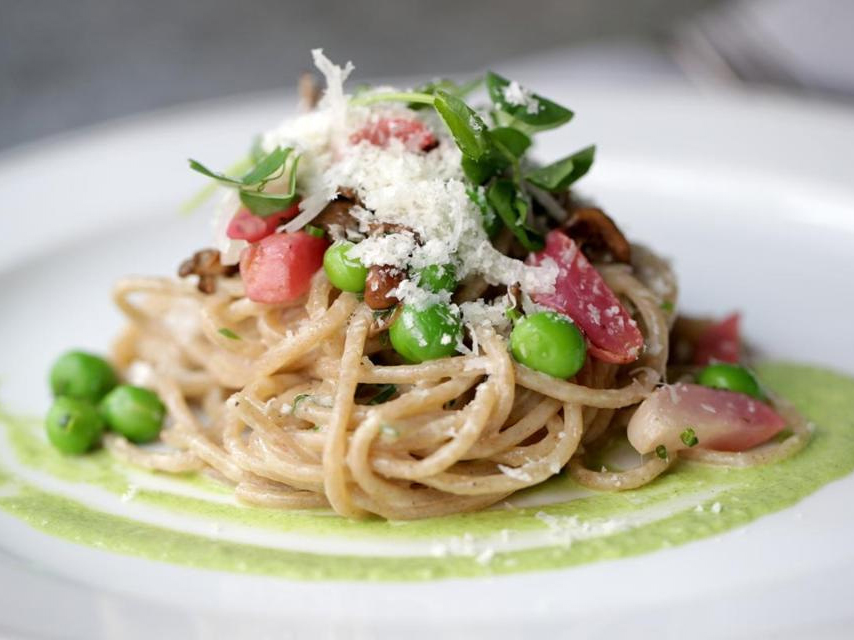
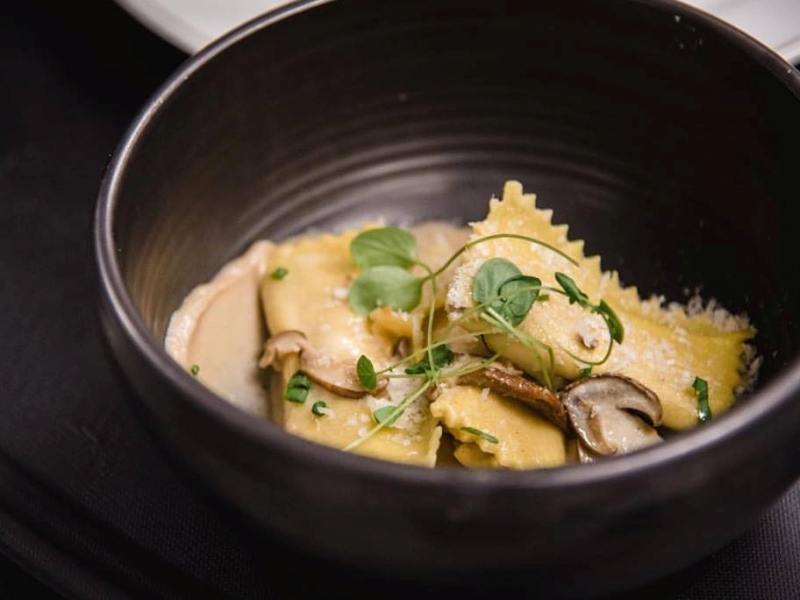
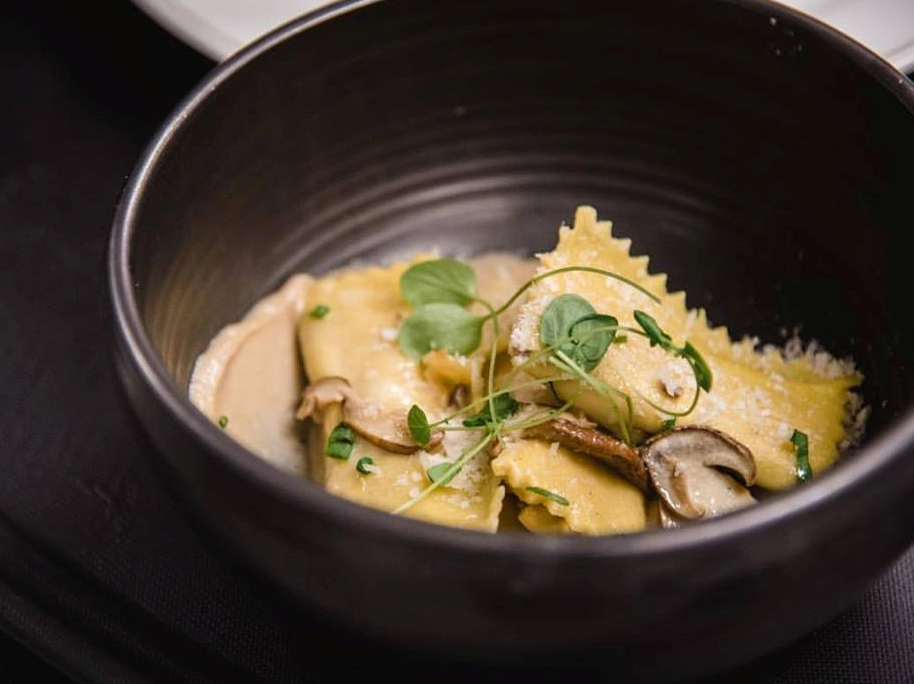
Porcini Mushroom Agnolotti …with corn fondue, watercress and summer truffles…$32

MAINS:
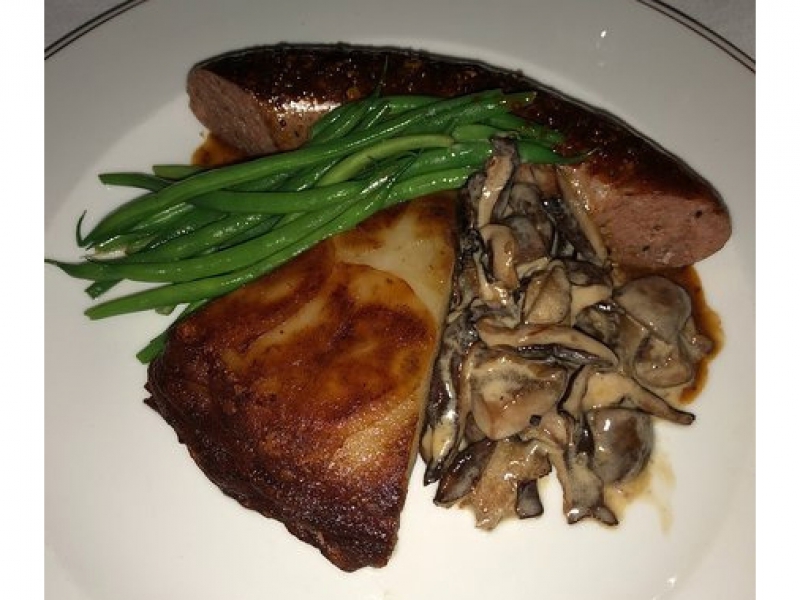
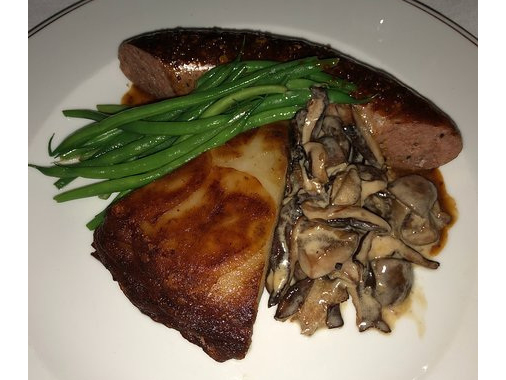
Veal Boudin Blanc…with mushrooms and Pommes Anna…$32

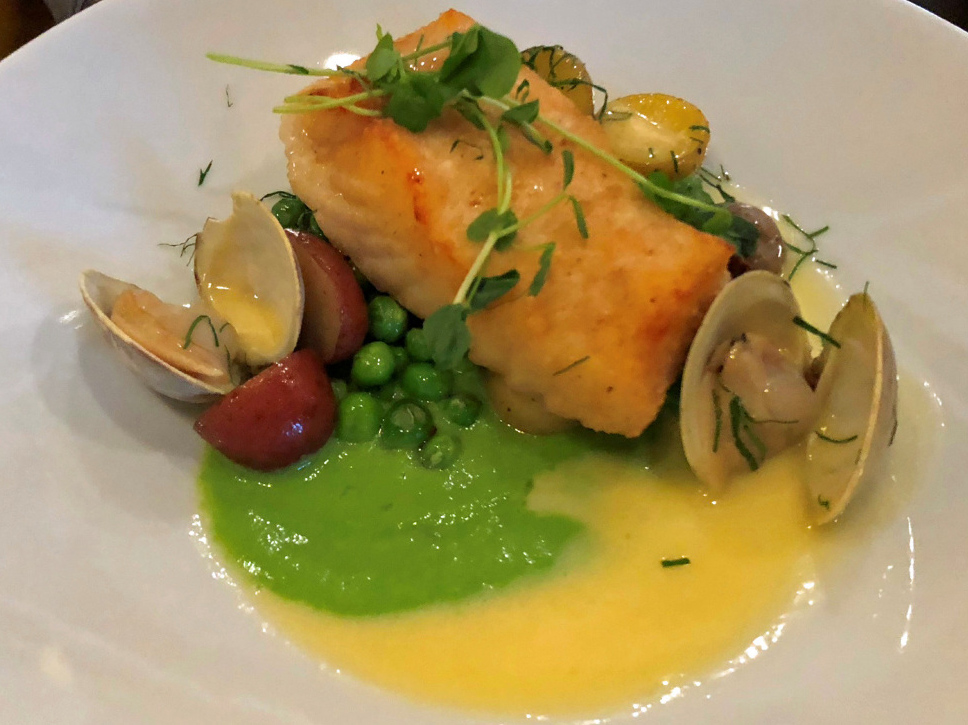
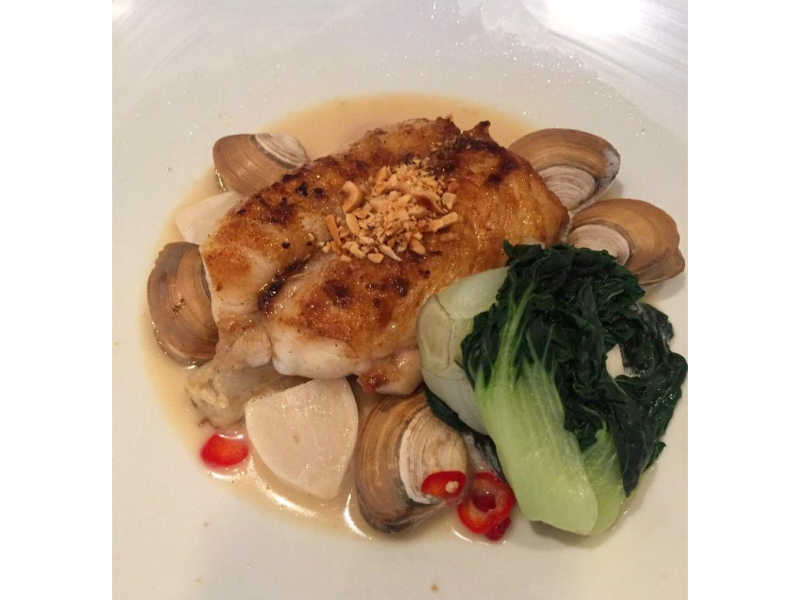
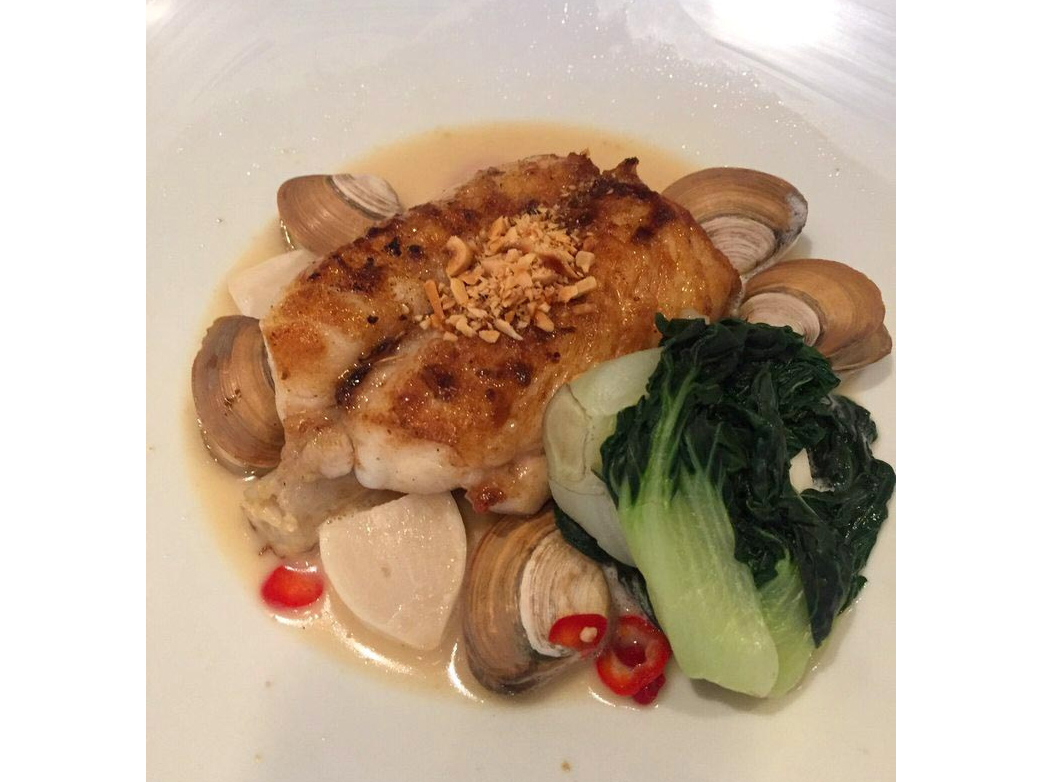
Roasted Monkfish with green curry broth, bok choy, toasted hazelnuts and littleneck clams…$32

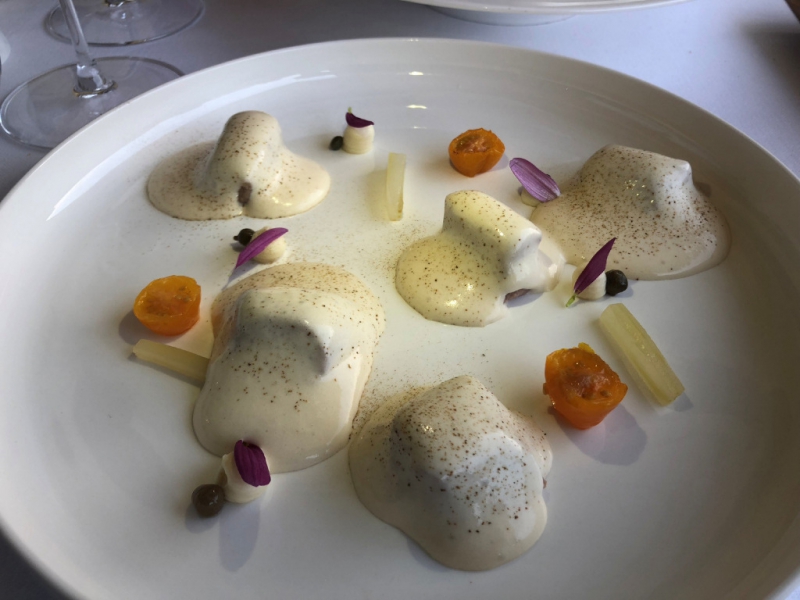
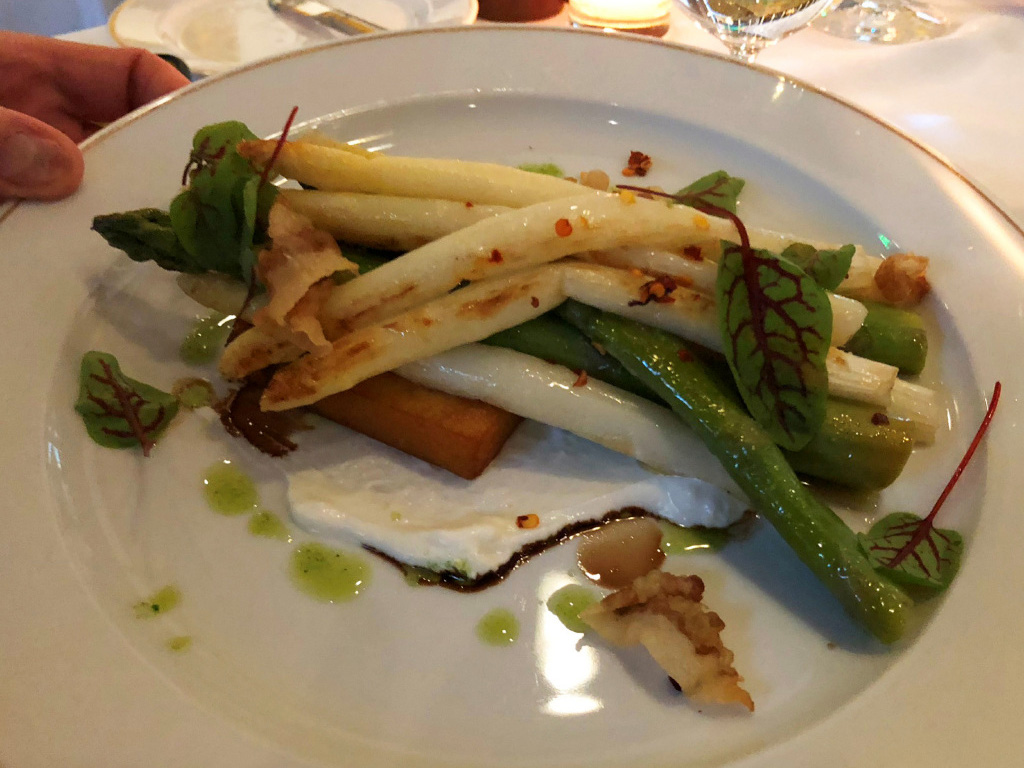
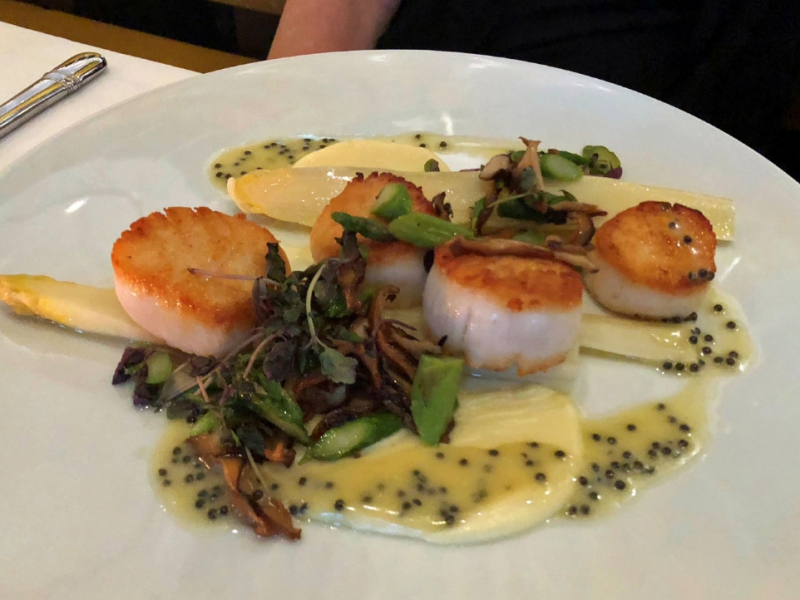
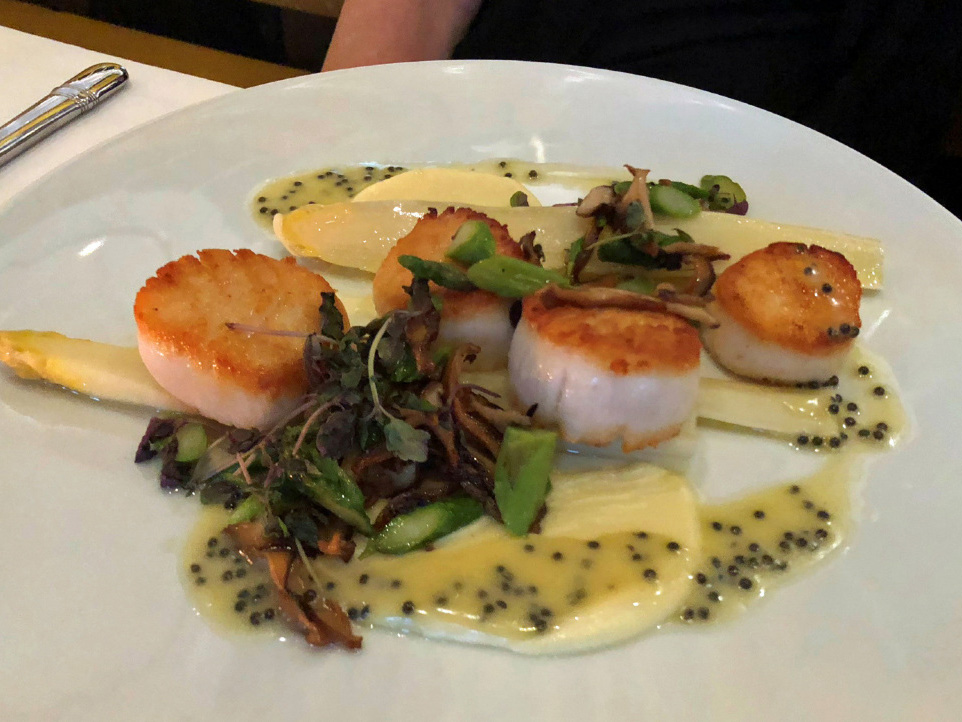
Maine Scallops with white asparagus, lemon parsnip puree and white sturgeon caviar…$42

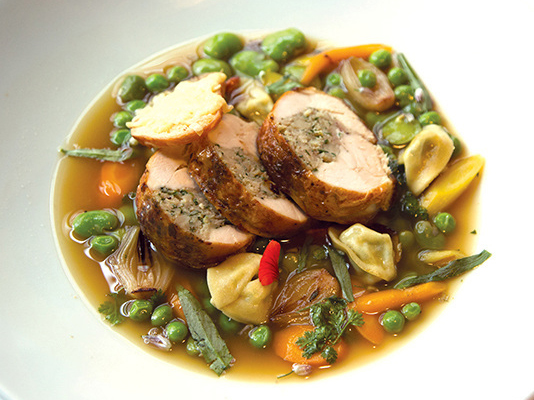
Rohan Duck Breast with roasted cherries, oyster mushrooms, charred spring onions, fava beans and mint…$39

DESSERT:
Lemon Posset…a lemony sort of pudding with olive oil gelato, and toasted pistachios…$10

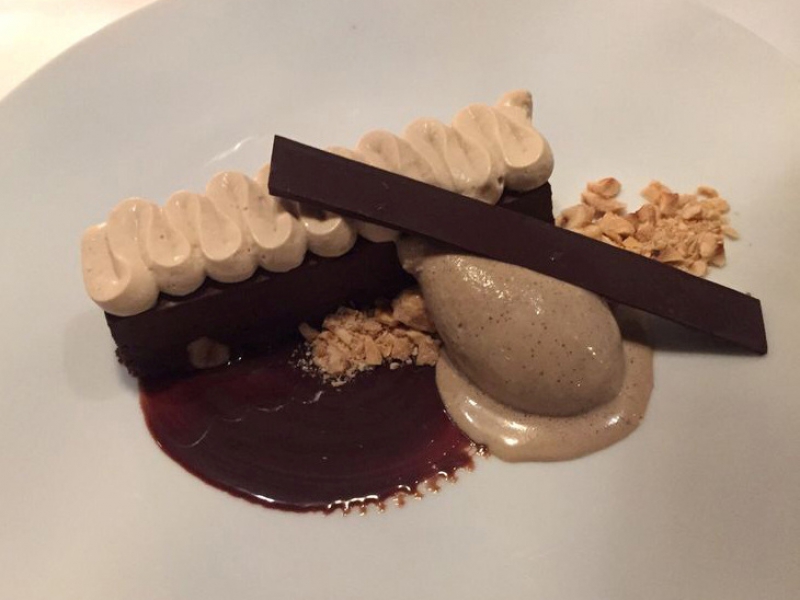
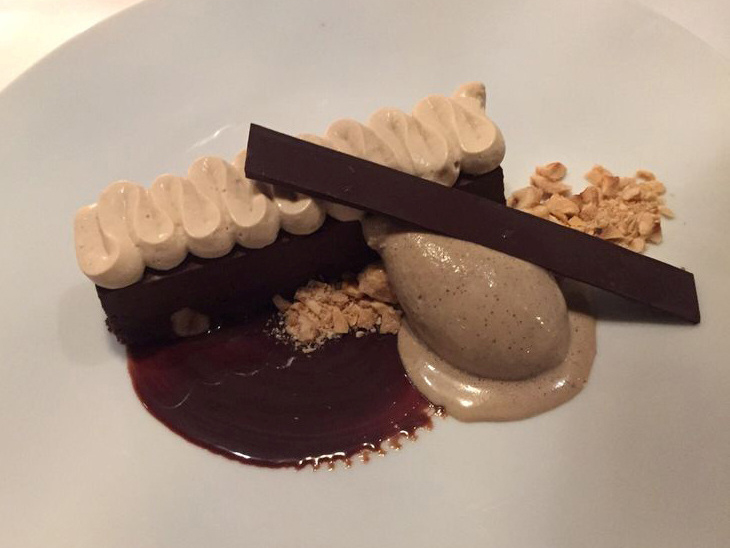
Chocolate Cremeux …espresso infused with toasted hazelnuts.

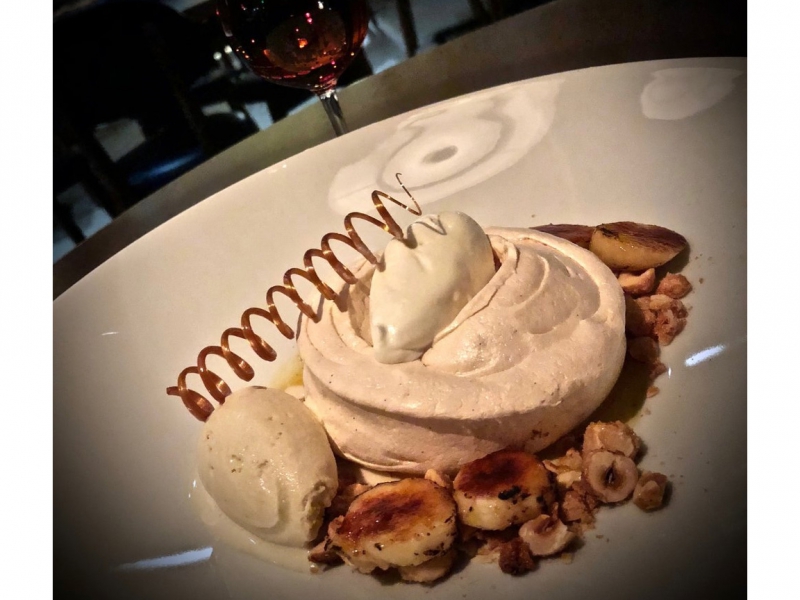
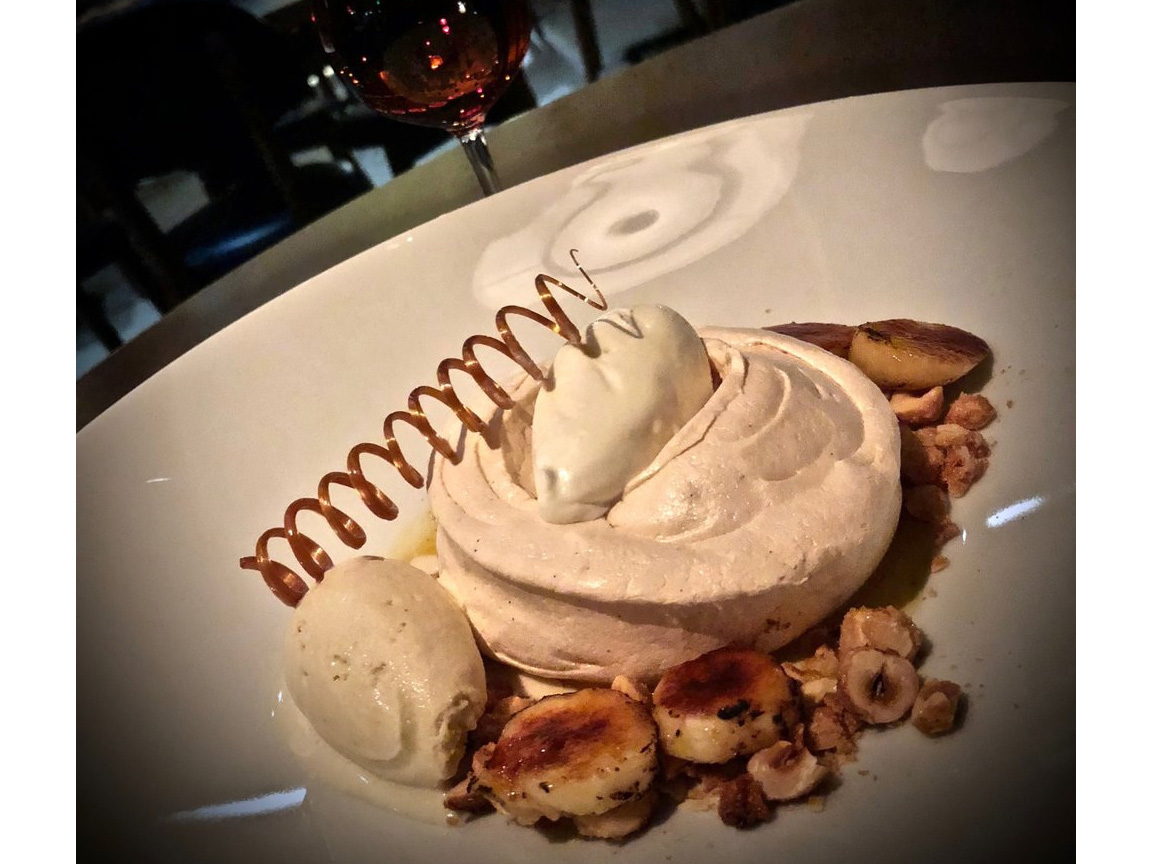
Pavlova with passion fruit and bruléed bananas.

So folks, not only is this place really smart and well-designed, but if you go, be sure to notice the lighting. And it has a 4.5 rating from ZAGAT!!

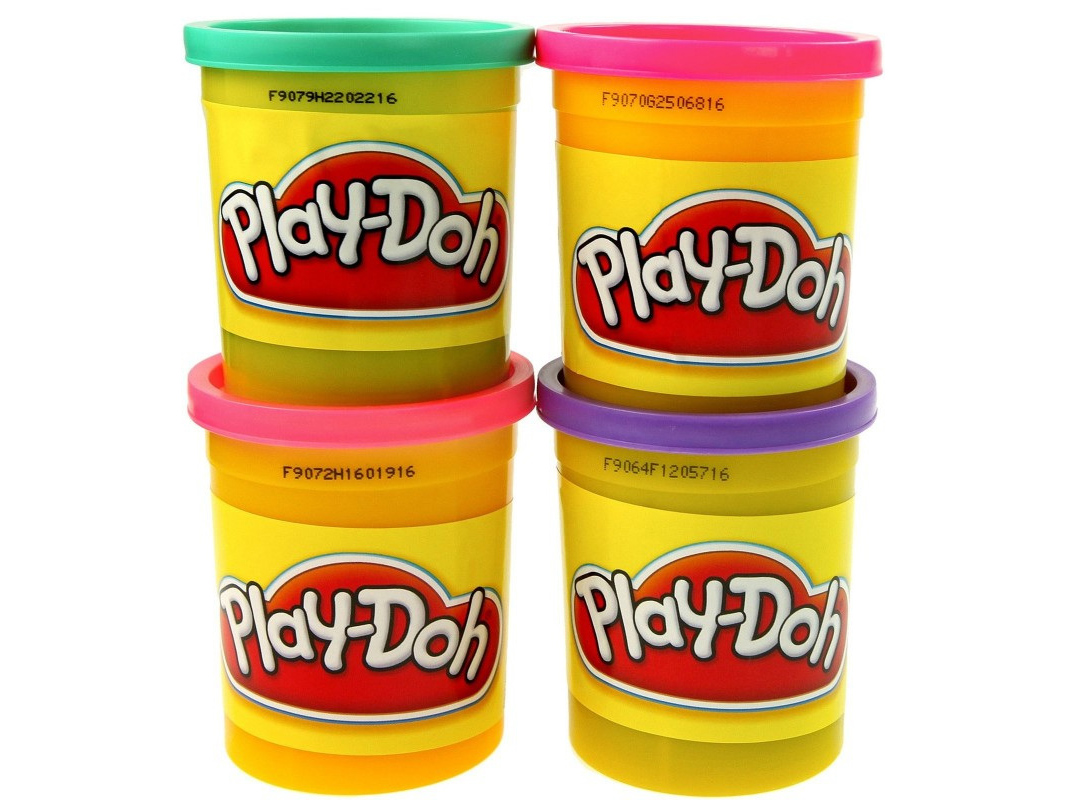
Now I can’t figure out the Play-Doh art, but it sure is fun and amusing. Nor do I understand the David Bowie thing, but it’s also fun, albeit a little strange…but in a good way.

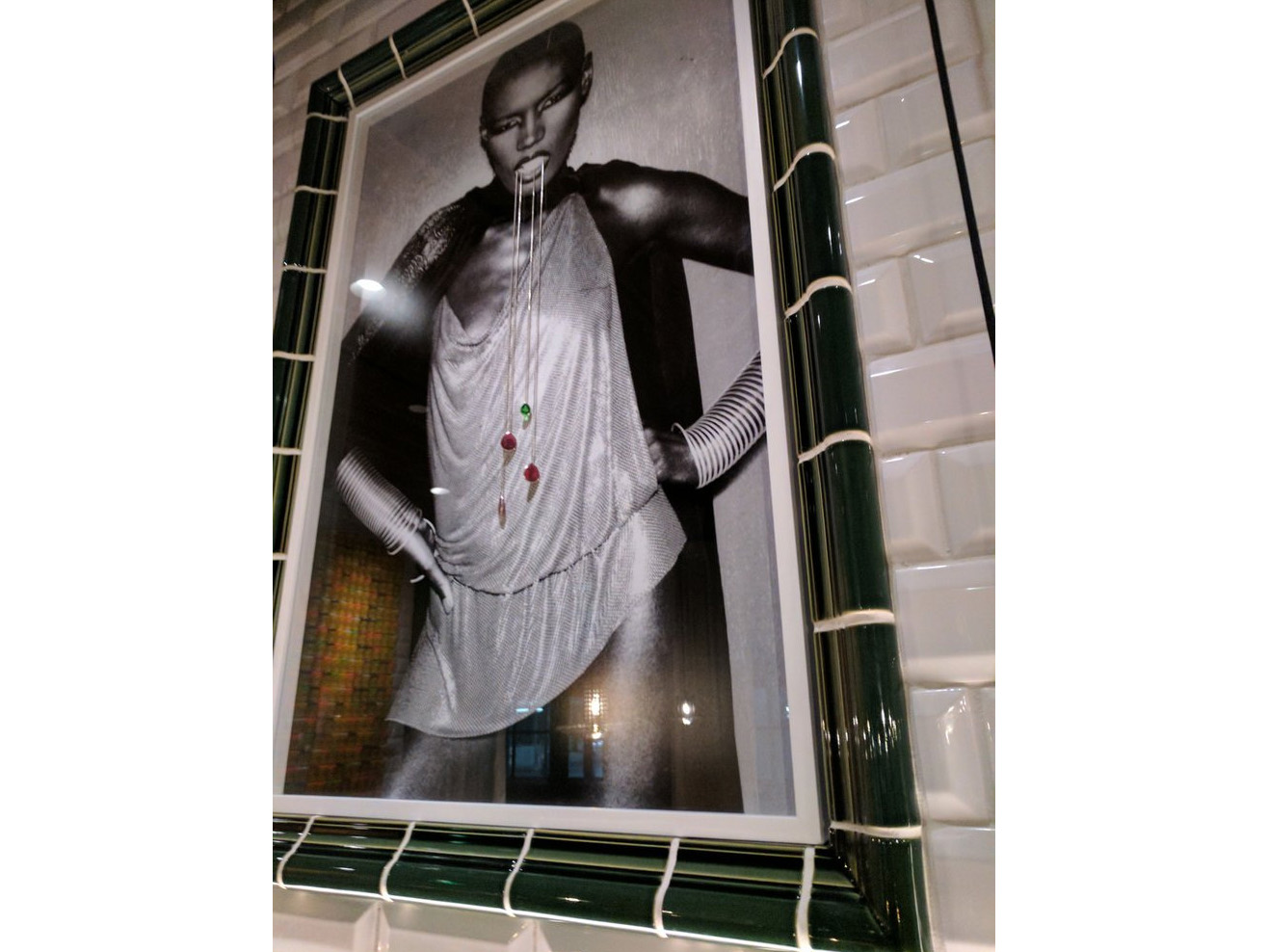
But hovering above our table was a giant black-and-white image of a menacing – and not very happy – Grace Jones. She was a little scary glowering down at us (Really, W.T.F.?). Not certain why…but we made sure that we cleaned our plates.


W.T.F.

PHIL